 Concerns Over Centralisation and Funding
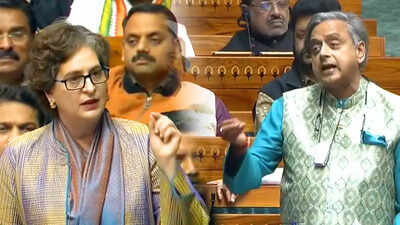
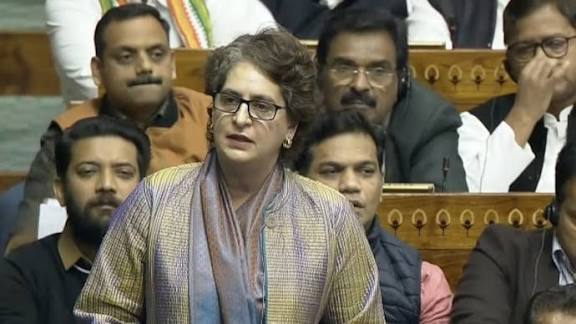
Priyanka Gandhi alleged that the proposed bill would shift greater control to the Centre, reducing the role of states and local governing bodies. She said MGNREGA was designed to empower panchayats and local administrations, ensuring accountability at the grassroots level.
“This is not reform, it is control,” she said, adding that shrinking the autonomy of local institutions would directly affect the implementation of rural employment works. According to her, decentralisation was a core strength of MGNREGA that must not be compromised.
She also raised concerns about shrinking budgetary allocations, claiming that the new structure could be used to justify reduced funding under the guise of administrative overhaul.
MGNREGA’s Legal Guarantee at Risk
Enacted in 2005, MGNREGA guarantees 100 days of wage employment annually to rural households, making it one of the most significant social security laws in India. Priyanka Gandhi argued that replacing the Act with a new bill could weaken this statutory assurance.
She cautioned that without a clear legal framework, rural workers could lose the right-based protection that currently allows them to demand work and wages. “A scheme is not the same as a right,” she emphasised during her speech.
Official details of the proposed bill are yet to be fully made public, but the opposition has demanded transparency and parliamentary scrutiny before any major restructuring.
Political Reactions and Broader Implications
The debate has sparked sharp political reactions, with opposition parties accusing the Centre of prioritising rebranding over strengthening welfare delivery. Several MPs echoed concerns that renaming long-standing schemes often leads to confusion and administrative disruption.
The government, however, has maintained that reforms are necessary to improve efficiency and outcomes. Rural development initiatives are overseen by the Ministry of Rural Development, whose official updates are available on the government portal.
Analysts note that any major change to MGNREGA could have wide-ranging implications, particularly at a time when rural employment continues to act as a safety net during economic uncertainty.
Why MGNREGA Remains Politically Sensitive
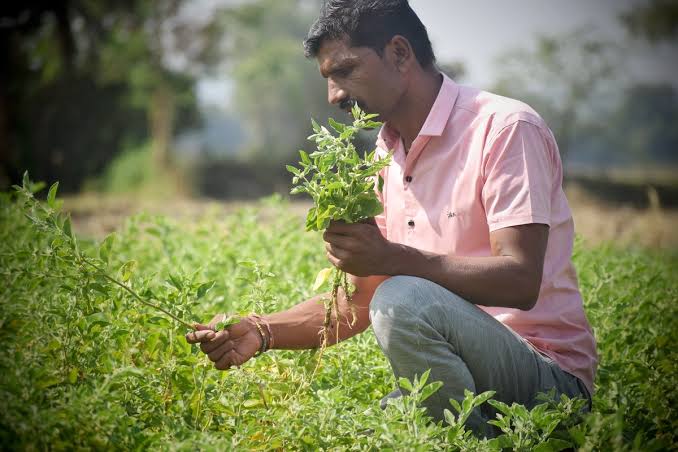
MGNREGA has consistently been a focal point of political debate due to its scale and impact. During economic slowdowns, the programme has absorbed migrant workers and supported rural incomes.
As Parliament debates the future of rural employment policy, opposition leaders have urged the Centre to strengthen implementation rather than dismantle existing safeguards.