
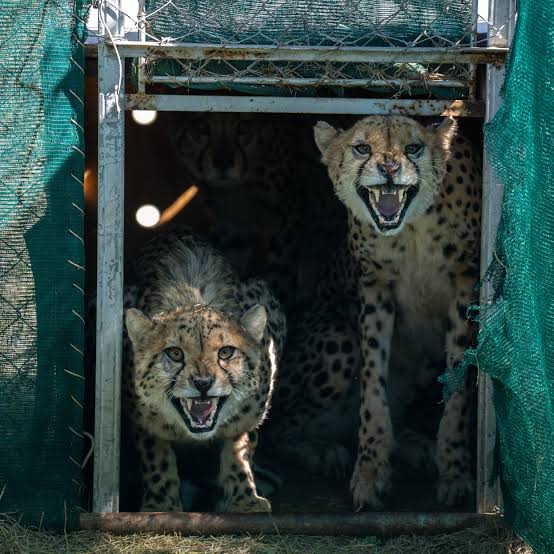
India’s ambitious Project Cheetah has transformed a once-lost predator into a symbol of ecological revival, global cooperation, and scientific conservation. As of December 2025, India is home to 30 cheetahs at Kuno National Park in Madhya Pradesh, marking one of the most significant wildlife restoration efforts in modern history.
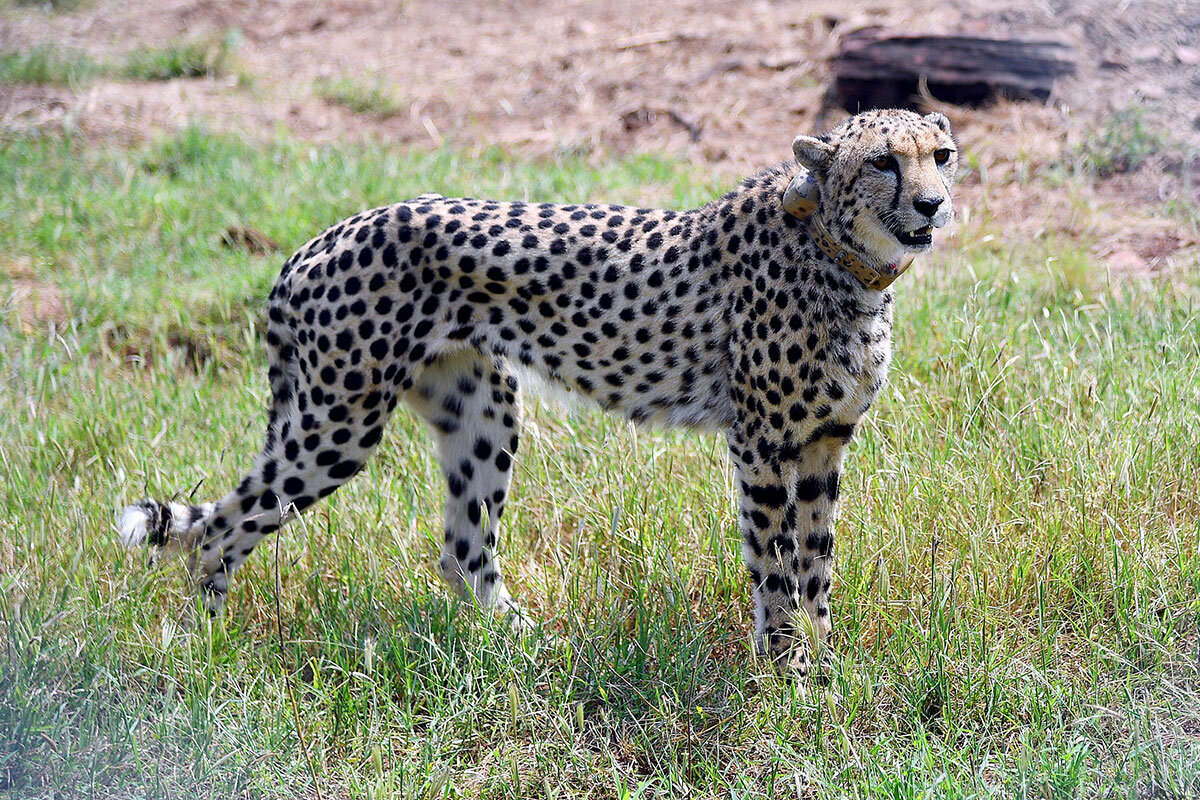

The cheetah, once widespread across India’s grasslands and savannas, was declared extinct in the country in 1952 following decades of overhunting, habitat loss, prey depletion, and low reproductive success. The last confirmed sighting occurred in 1947 in present-day Chhattisgarh.
Project Cheetah seeks to restore this missing ecological link by reintroducing cheetahs as a flagship species, strengthening open forest and grassland ecosystems that have long remained neglected.
A Historic Global Conservation First
The project began with the translocation of eight cheetahs from Namibia in September 2022, personally released by Prime Minister Narendra Modi at Kuno National Park. This was followed by the arrival of 12 cheetahs from South Africa in February 2023, under formal inter-governmental agreements.
In November 2025, Botswana gifted eight more cheetahs to India, reinforcing the project’s international credibility and long-term vision.
Encouraging Population Growth
As of December 2025, Kuno supports a population of 30 cheetahs, comprising 12 adults, nine sub-adults, and nine cubs. Importantly, 19 of these cheetahs are India-born, demonstrating early biological success.
Mukhi, the first cub born on Indian soil, recently gave birth to five healthy cubs, marking a crucial second-generation milestone and confirming habitat suitability.
Science-Led Planning and Monitoring
Kuno National Park was selected after the voluntary relocation of 24 villages, creating over 6,200 hectares of inviolate habitat. Scientific monitoring follows IUCN guidelines using GPS collars, camera traps, and prey assessments.
The project aims to establish a self-sustaining metapopulation of 60–70 cheetahs across the Kuno–Gandhi Sagar landscape, covering nearly 17,000 square kilometres by 2032.
Community at the Core
Local communities play a vital role in Project Cheetah’s success. Over 450 “Cheetah Mitras” across 80 villages assist in awareness, conflict mitigation, and conservation outreach.
The initiative has created more than 380 direct jobs, trained local youth as trackers and safari guides, and ensured that five percent of eco-tourism revenue flows back to surrounding communities.
Global Leadership in Conservation
Project Cheetah has positioned India as a leader in large-carnivore rewilding. The programme aligns with the UN Sustainable Development Goal 15 and India’s biodiversity commitments under the Convention on Biological Diversity.
India has further reinforced this leadership through the International Big Cat Alliance, headquartered in India, fostering global collaboration for the conservation of the world’s big cat species.
A Vision Driven From the Top
Prime Minister Narendra Modi’s personal involvement has been central to the project’s momentum. From initiating international agreements to engaging citizens through public outreach, the initiative reflects sustained political and administrative commitment.
Officials say Project Cheetah demonstrates how science, diplomacy, and community participation can converge to reverse ecological loss.
Looking Ahead
What began as a conservation experiment has evolved into a national statement of ecological optimism. With expanding habitats, rising cub numbers, and growing public participation, Project Cheetah offers a replicable model for global species recovery.
As the cheetah once again sprints across India’s grasslands, the project stands as proof that extinction need not be permanent when guided by science, patience, and collective will.