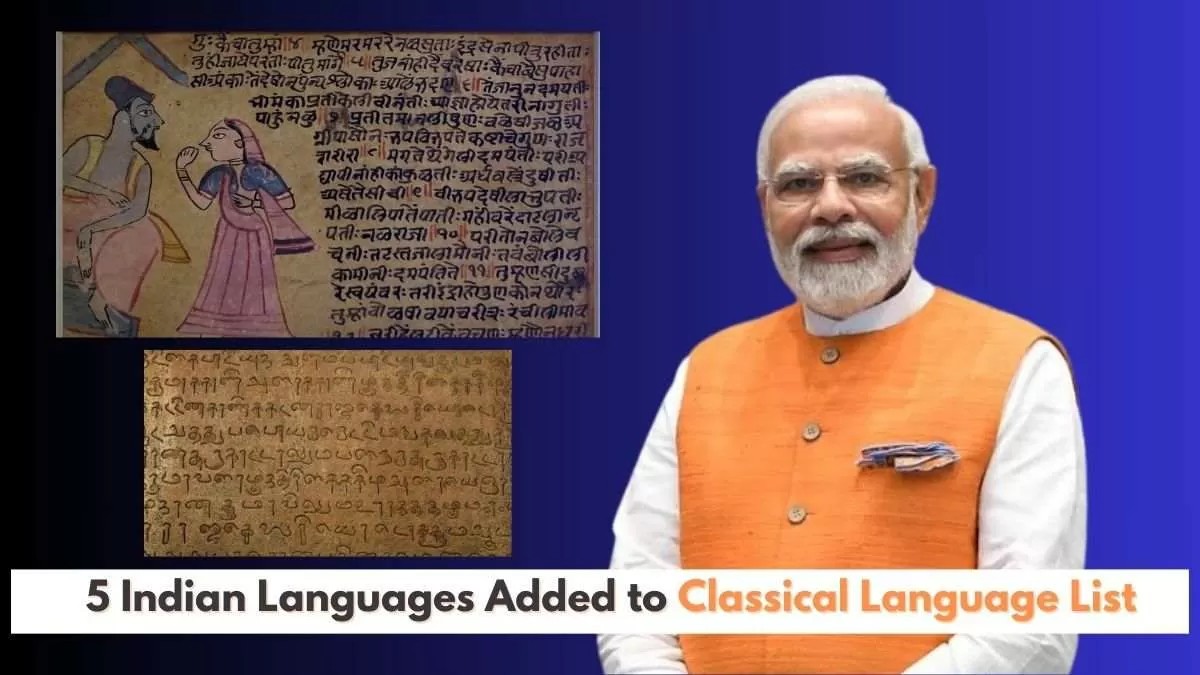
New Delhi: The Government of India continues to emphasise the recognition, promotion, and preservation of the nation’s classical languages. Eleven languages, including Tamil, Sanskrit, Telugu, Kannada, Malayalam, Odia, Marathi, Assamese, Bangla, Pali, and Prakrit, are officially recognised as classical languages.
 Official Recognition and Historical Context
Tamil was the first language recognised as classical on 12 October 2004, followed by Sanskrit (25 November 2005), Telugu and Kannada (both 31 October 2008), Malayalam (8 August 2013), Odia (1 March 2014), and five languages Marathi, Assamese, Bangla, Pali, and Prakrit on 4 October 2024. The recognition underscores the rich historical and literary heritage of these languages.
Institutional Support and Funding
The Ministry of Education actively promotes classical languages through dedicated institutions. Sanskrit, for instance, is promoted via Central Sanskrit University, Shri Lal Bahadur Shastri National Sanskrit University, New Delhi, and National Sanskrit University, Tirupati. Budgetary allocations over the years, especially for Kannada, Telugu, Odia, Malayalam, and Tamil, have steadily increased to support teaching, research, and preservation initiatives.
Demographics and Language Usage
According to the Census of India 2011, Telugu, Tamil, Bangla, Marathi, Kannada, Odia, Malayalam, Assamese, and Sanskrit are spoken by millions of Indians. Telugu is spoken by approximately 811 lakh people, Tamil by 690 lakh, Bangla by 972 lakh, Marathi by 830 lakh, and Sanskrit by 0.24 lakh. Additionally, Pali is spoken by parts of Bihar’s 1038 lakh population.
These figures highlight both the cultural significance and the need for targeted preservation efforts for classical languages with smaller populations, such as Sanskrit and Pali.
Top Spoken Languages in India
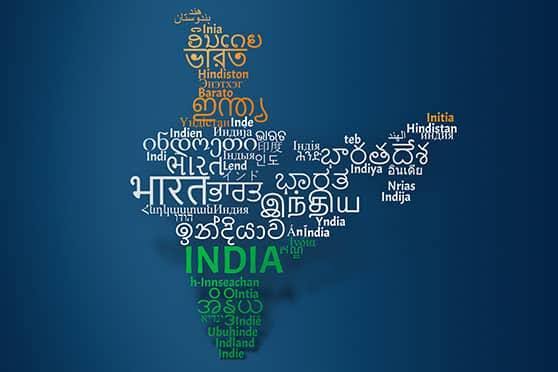
The top five most widely spoken languages in India, based on the 2011 census, include Hindi, Bengali, Marathi, Telugu, and Tamil, reflecting India’s linguistic diversity and the enduring cultural relevance of classical languages in daily life.
Government Initiatives and Support
The government provides structured budget grants to support classical languages in education, research, and cultural promotion. For example, Tamil has received grants rising from Rs 11.89 lakh in 2015-16 to Rs 1,697 lakh in 2025-26, while other languages like Kannada, Telugu, Odia, and Malayalam have also seen significant annual funding increases to strengthen academic programmes and preservation initiatives.
These measures aim to ensure the long-term survival of classical languages, support scholarly research, and increase public awareness through educational and cultural initiatives.