
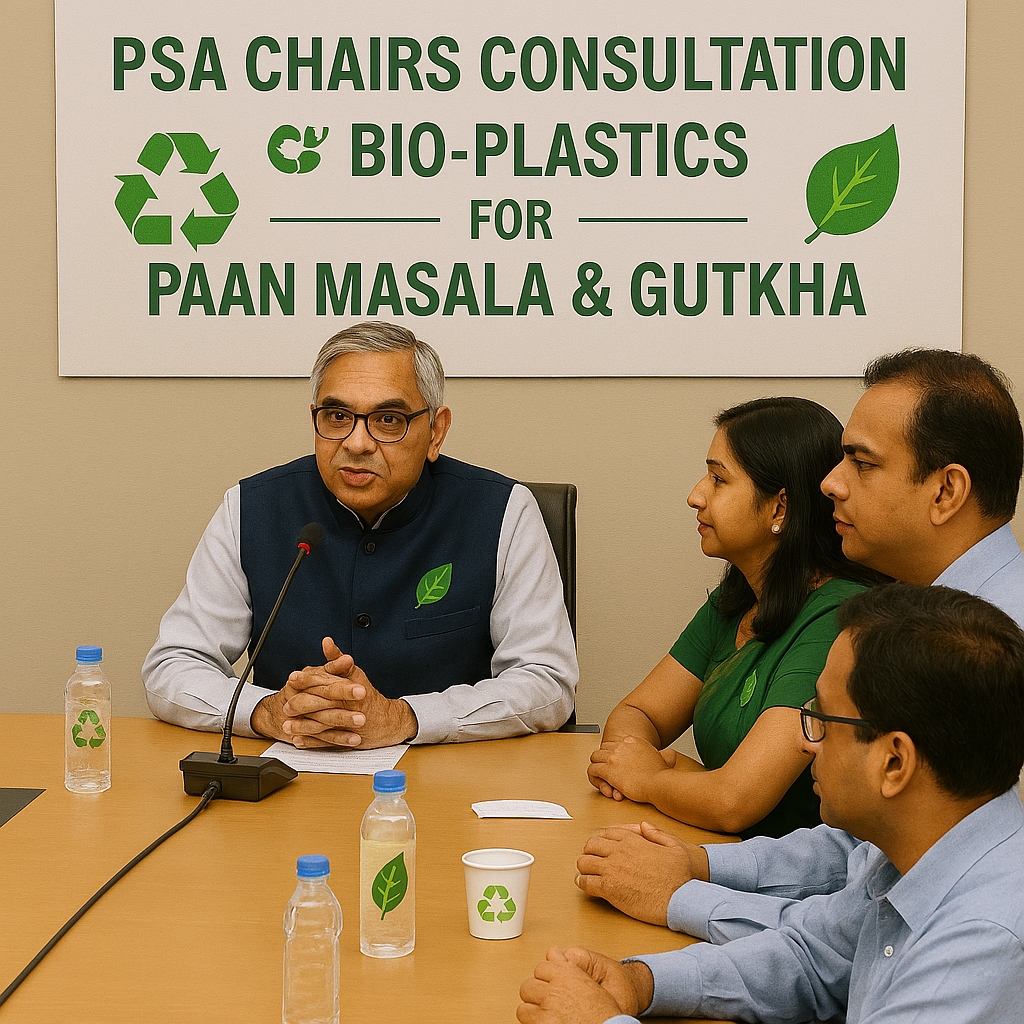
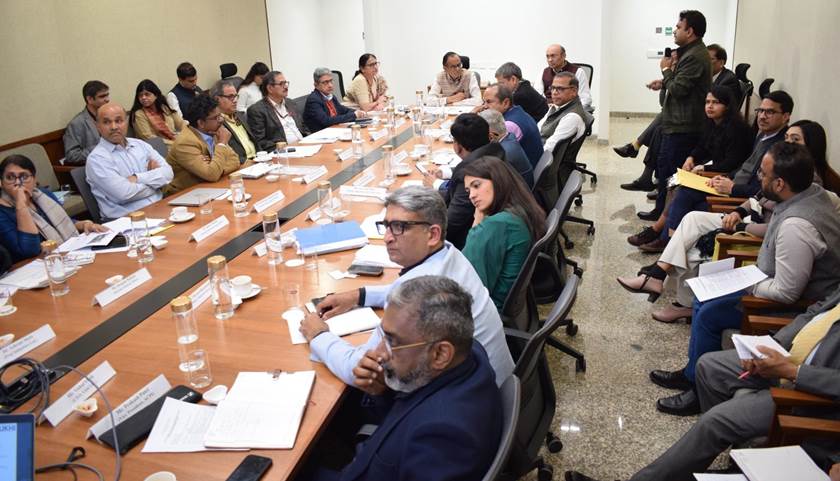

Prof. Sood emphasized the urgency of transitioning from conventional plastics to biodegradable alternatives in sachets, citing environmental hazards from poorly degradable materials. Dr. Rajesh Gokhale, Secretary, Department of Biotechnology, highlighted PolyLactic Acid (PLA) as a promising, cost-effective biodegradable option for sachets.
MoEFCC Secretary Shri Tanmay Kumar noted that the Ministry is refining the definition of bioplastics to enable BIS to set clear testing and certification standards. Shri Rajit Punhani, CEO of FSSAI, emphasized that any bio-plastic solution must protect product quality, adhere to safety limits, and remain cost-effective for industry adoption.
Multi-Stakeholder Collaboration Drives Standardization
The consultation included inputs from leading academic institutions such as IIT Madras, IIT Bombay, and Ravenshaw University, alongside industry leaders including Balrampur Chini Mills, UKHI Ltd., and Praj Industries. Discussions focused on moving from pilot research to a structured validation and certification framework, ensuring timely adoption of standardized biodegradable packaging solutions.
Next Steps Towards Biodegradable Packaging
Prof. Sood directed relevant authorities to develop a clear, time-bound process flow for testing and certification. Industry participants were asked to submit bio-plastic samples to the Central Institute of Petrochemicals Engineering and Technology (CIPET) and prepare Standard Operating Procedures ahead of the next consultation. This initiative aims to ensure that sustainable packaging solutions can be deployed across the paan masala and gutkha sectors, reducing plastic waste and enhancing environmental safety.
The consultation reflects India’s commitment to fostering sustainable innovation through collaborative efforts among government, academia, and industry, paving the way for responsible packaging practices in the FMCG sector.