
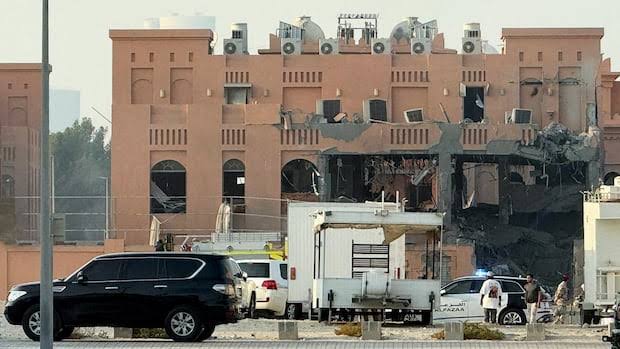
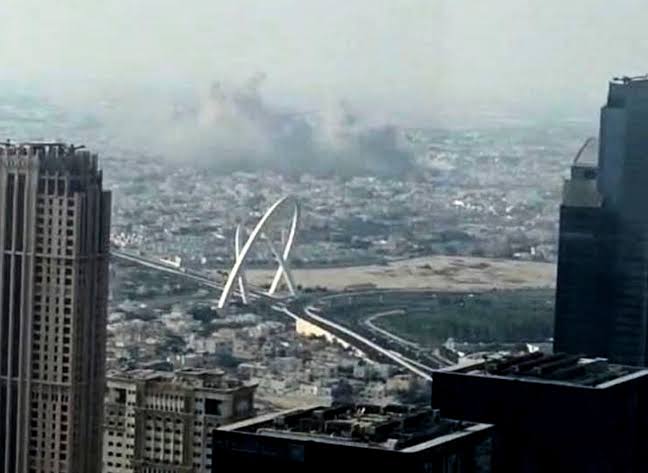

Reports indicate that both the United States and Qatar were aware of Israeli preparations for the operation, yet neither acted to prevent it. This has led to speculation about whether Qatar tacitly consented to the strike. For years, Qatar positioned itself as a mediator in Middle Eastern conflicts, balancing ties with the West, Iran, and Islamist groups. That role is now under intense scrutiny.
The Gulf state has often been accused of walking a fine line between diplomacy and patronage. Its silence during the Israeli operation has fueled doubts about whether Doha may have quietly chosen strategic neutrality—or worse, betrayal.
Three Theories Behind the Strike
Analysts have put forward three competing theories on how Israel managed such a high-risk attack on Qatari soil without direct confrontation:
1. A Covert Understanding with Qatar
Some believe Qatar may have granted quiet approval to Israel, seeking to distance itself from Hamas as the group faces international isolation. By allowing the strike, Doha could attempt to reset its image as a responsible global actor while retaining leverage in the region.
2. US Mediation and Strategic Compromise
Another perspective suggests Washington may have brokered a discreet compromise. The US, heavily invested in Israeli security while maintaining bases in Qatar, could have signaled Doha not to intervene. This would allow Israel to eliminate Hamas leadership while protecting American interests.
3. Israeli Intelligence Outmaneuvered Qatar
The third theory argues Israel acted unilaterally, using its intelligence capabilities to bypass Qatari security. If true, it would expose vulnerabilities in Qatar’s sovereignty and raise questions about its ability to protect those it hosts.
Regional and Global Implications
The incident threatens to destabilize Qatar’s carefully curated diplomatic standing. Arab states are watching closely—some may welcome Hamas’s weakening, while others could view Qatar as complicit in undermining Palestinian resistance.
For Israel, the operation signals a willingness to expand its battlefield beyond Gaza and traditional adversaries. It also demonstrates confidence that key global players, including the US, will not obstruct such moves. For Hamas, the loss of political leaders abroad represents a major strategic blow.
India, which maintains close ties with both Israel and Gulf nations, will also be monitoring the fallout. The strike highlights the fragile balance of alliances shaping West Asian geopolitics. For official Indian foreign policy positions, readers can refer to the Ministry of External Affairs.
What Comes Next?
As tensions rise, Qatar faces a difficult choice: reaffirm its traditional support for Palestinian groups or reposition itself as a neutral broker aligned with Western powers. Either way, the Doha strike has redrawn the map of Middle Eastern power politics.
In the coming weeks, diplomatic reactions from Gulf neighbors, the US, and European allies will determine whether this was a one-off incident or the start of a new, more volatile phase in the Israel-Hamas conflict.