 Wheat and Rice Sowing Update
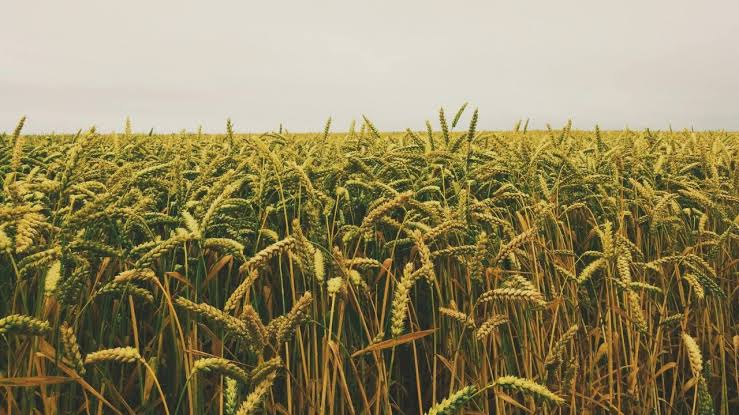
Wheat sowing has recorded a marginal rise of 1.29 lakh hectares, totaling 301.63 lakh hectares. Rice sowing, although smaller in scale during the Rabi season, increased by 1.83 lakh hectares to reach 13.35 lakh hectares, reflecting a steady adoption in suitable regions.
Pulses and Gram See Strong Growth
Pulses have experienced a notable increase, with overall coverage rising by 3.72 lakh hectares to 126.74 lakh hectares. Gram (chana) sowing was particularly robust, rising by 4.89 lakh hectares to 91.70 lakh hectares. Other pulses like lentil, fieldpea, kulthi, urdbean, and moongbean showed minor fluctuations, with some small decreases in area.
Coarse Cereals Performance
Among coarse cereals, maize and barley have expanded, with maize up by 1.45 lakh hectares to 18.34 lakh hectares and barley increasing by 0.70 lakh hectares. Jowar, however, saw a decline of 1.78 lakh hectares, while minor cereals such as ragi and small millets showed slight increases.
Oilseeds Driven by Rapeseed and Mustard
Oilseed crops collectively covered 93.33 lakh hectares, an increase of 0.67 lakh hectares from the previous year. Rapeseed and mustard were the major contributors, with sowing rising by 1.23 lakh hectares to 87.80 lakh hectares. Other oilseeds like groundnut, safflower, sunflower, sesamum, and linseed recorded mixed results, with minor gains and some declines.
Overall Trends and Implications
The increase in Rabi sowing reflects favorable climatic conditions, timely availability of inputs, and active participation from farmers across key states. Pulses and oilseeds growth supports India’s food security and self-reliance goals, while stable wheat coverage ensures supply for domestic consumption and exports.