
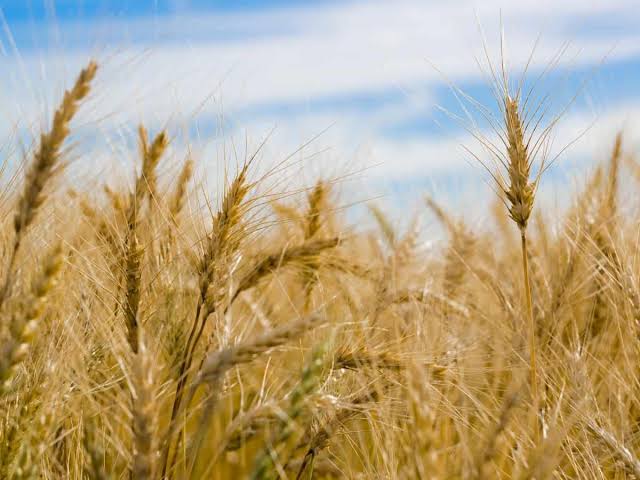

Wheat, India’s most important rabi crop, has emerged as the biggest contributor to the rise in acreage. As on January 16, wheat sowing reached 334.17 lakh hectare, registering an increase of 6.13 lakh hectare over the same period of the previous year. The figure is also well above the normal rabi area, reflecting farmers’ confidence in wheat cultivation this season.
Agriculture officials attribute the rise to adequate soil moisture, timely sowing windows and sustained minimum support price assurance, which has encouraged farmers across key wheat-producing states.
Pulses Show Healthy Growth, Gram Leads
Pulses have recorded a notable expansion, with total area coverage rising by 3.82 lakh hectare to reach 137.00 lakh hectare. Among pulses, gram has shown the most significant increase, expanding by 4.66 lakh hectare over last year to touch 95.88 lakh hectare.
Lentil and lathyrus have also witnessed marginal gains, while minor declines were observed in urdbean and field pea. Overall, the rise in pulses acreage aligns with the government’s long-term objective of boosting domestic pulse production and reducing import dependence.
Oilseeds and Coarse Cereals Register Gains
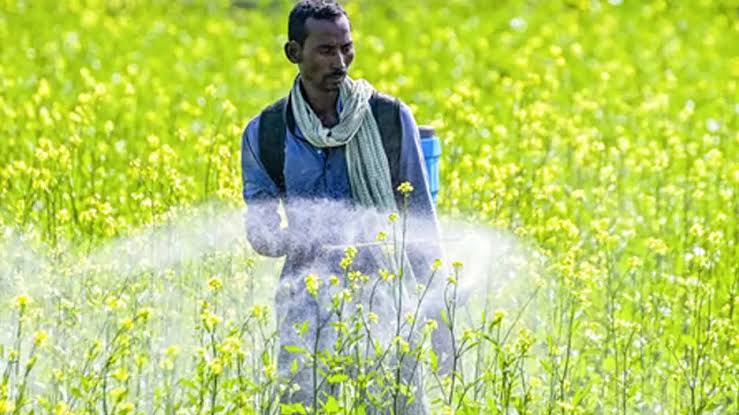
Oilseeds have continued their upward trend, with area coverage increasing by 3.53 lakh hectare to reach 96.86 lakh hectare. Rapeseed and mustard, the dominant rabi oilseed crops, accounted for the bulk of the growth, rising by 2.79 lakh hectare.
Shri Anna and coarse cereals together recorded an increase of 2.79 lakh hectare. While maize and barley showed healthy expansion, jowar registered a slight decline. Experts note that diversification into coarse cereals remains crucial for climate-resilient agriculture.
Rice Sowing Sees Moderate Rise
Rabi rice cultivation also witnessed an increase of 4.61 lakh hectare compared to the corresponding period last year. Although the total rabi rice area remains lower than kharif levels, the growth indicates steady adoption in suitable regions supported by irrigation infrastructure.
Positive Outlook for Rabi Harvest
With overall rabi crop coverage now surpassing last year’s levels, the outlook for the ongoing season appears positive. Agricultural experts believe that stable weather patterns and adequate reservoir levels could further support crop development in the coming weeks.