

Wheat Continues to Anchor Rabi Season
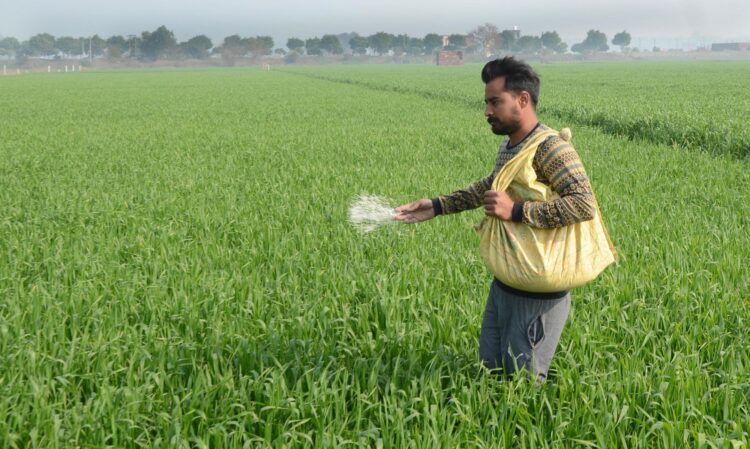
Wheat, the country’s primary rabi crop, has shown stable sowing trends during the current season. As of December 26, wheat had been sown across 322.68 lakh hectare, marginally higher than the corresponding period last year.
Officials note that wheat sowing remains close to the normal area, reflecting confidence among farmers due to assured procurement mechanisms, minimum support price policies, and favourable agro-climatic conditions in major producing states.
Pulses Register Strong Expansion
Pulses have emerged as a key driver of growth in rabi sowing this season. The total area under pulses has increased by 3.65 lakh hectare over last year, reaching 133.44 lakh hectare.
Gram has recorded the most significant rise, with sowing expanding by 4.66 lakh hectare. Lentil has also registered a modest increase, while minor fluctuations were observed in other pulse crops. The overall growth underscores policy efforts to boost domestic pulse production and reduce import dependence.
Coarse Cereals and Shri Anna Show Mixed Trends
The area under Shri Anna and coarse cereals stood at 49.00 lakh hectare, reflecting largely stable coverage. While crops such as maize and barley recorded increases, some decline was observed in jowar sowing compared to the previous year.
Officials said variations across coarse cereals are influenced by regional cropping patterns, market prices, and irrigation availability. However, the overall trend remains in line with seasonal expectations.
Oilseeds Coverage Improves Further
Oilseeds have also contributed positively to rabi sowing growth. Total oilseeds area increased by 1.04 lakh hectare to reach 94.29 lakh hectare.
Rapeseed and mustard led the category with an increase of 1.23 lakh hectare, supported by favourable returns and strong domestic demand. Sunflower and safflower also recorded gains, while minor declines were seen in groundnut and sesamum.
Seasonal Progress Reflects Policy Support
Officials attribute the steady progress of rabi sowing to coordinated efforts between the Centre and states, timely advisories, and availability of quality seeds and fertilisers. Improved irrigation coverage and better weather forecasting have further helped farmers plan sowing effectively.
The Ministry of Agriculture continues to closely monitor crop conditions through satellite mapping and field-level reports to ensure early identification of risks.