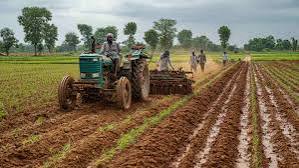
Overview: Total area and year-on-year change
The government bulletin shows total rabi crop area at 479.02 lakh hectares against 451.12 lakh ha during the comparable period in 2024-25 an increase of 27.89 lakh ha. The data reflects progress across several crop groups, led by pulses, wheat and oilseeds.
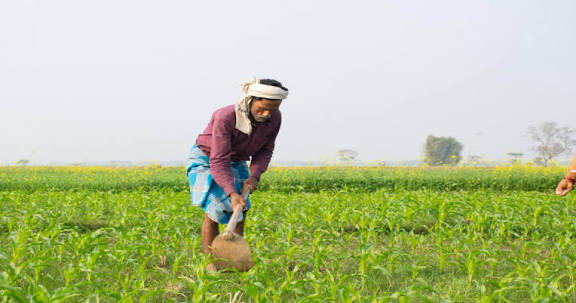 Pulses: Slight rise, gram leads the gains
Pulses coverage reached 106.21 lakh hectares, marginally higher than last year’s 105.78 lakh ha. Gram (chana) accounted for the largest share within pulses sown on 77.84 lakh ha, up 2.68 lakh ha year-on-year.
Other pulse crops showed mixed trends: lentil fell to 12.98 lakh ha from 14.00 lakh ha, while field pea registered 7.18 lakh ha compared with 7.85 lakh ha previously. The modest overall pulse expansion points to targeted sowing in key pulse-growing states.
Wheat and Rice: Wheat lower than normal area
Wheat area under rabi reached 241.40 lakh ha, up from 217.81 lakh ha last year an increase of 23.59 lakh ha but still below the long-term normal area of 312.35 lakh ha. Rice for rabi was recorded at 10.98 lakh ha against 9.86 lakh ha in 2024-25, indicating some paddy cultivation in rabi pockets.
Shri Anna & Coarse Cereals: Mixed movements
Total area for Shri Anna & coarse cereals stood at 36.28 lakh ha, slightly ahead of 35.94 lakh ha a year ago. Maize covered 11.41 lakh ha while jowar accounted for 18.08 lakh ha. Small millets and barley recorded modest changes, reflecting regional cropping choices and market signals.
Oilseeds: Crosses 84 lakh hectares
Oilseeds posted healthy growth, crossing 84.14 lakh ha compared with 81.75 lakh ha last year a rise of 2.40 lakh ha. Rapeseed & mustard continues to dominate oilseeds with 79.88 lakh ha, up 3.45 lakh ha year-on-year. Groundnut acreage declined to 1.80 lakh ha, while sunflower and safflower recorded small increases.
The oilseeds uptick is important for edible oil self-reliance and price stability heading into the seasonal marketing period.
Key takeaways and implications
The rabi sowing report signals robust planting momentum, particularly in pulses and oilseeds, which supports crop diversification and nutrient-rich rotations. Wheat’s higher coverage versus last year will be watched for yield outcomes, given its large share in rabi area.
Policy implications include the need for timely input supply, micro-irrigation, localized advisories and procurement readiness where MSP operations apply. Continued monitoring of weather and input availability will determine if the sown areas translate into expected production gains.
Data snapshot (select crops, area in lakh ha as on Dec 5, 2025)
- Total rabi area: 479.02 (2025-26) vs 451.12 (2024-25)
- Pulses (total): 106.21 vs 105.78
- Wheat: 241.40 vs 217.81
- Shri Anna & Coarse Cereals: 36.28 vs 35.94
- Oilseeds (total): 84.14 vs 81.75