
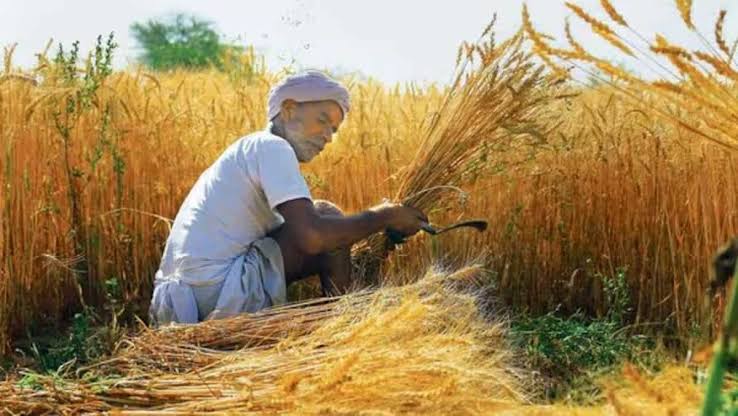
The Department of Agriculture & Farmers’ Welfare reports that rabi sowing for 2025-26 reached 306.31 lakh hectares as on 21 November 2025 a year-on-year increase of 33.53 lakh ha. Pulses and oilseeds posted notable rises, while wheat sowing remains below normal area. This update covers crop-wise area sown and implications for production and input planning.
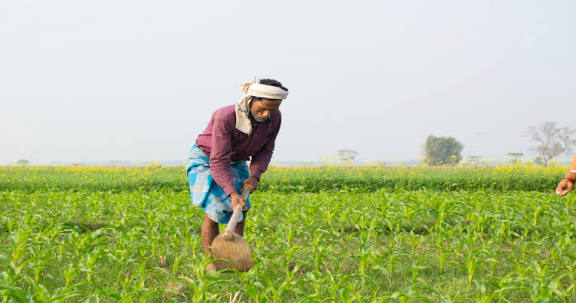

The official progress bulletin released by the Department of Agriculture & Farmers’ Welfare shows total rabi area sown at 306.31 lakh hectares for 2025-26 up from 272.78 lakh hectares in the same period last year — an increase of 33.53 lakh ha. The data snapshot is current as on 21 November 2025.
Officials attribute the rise to better availability of inputs, proactive state-level procurement of seeds, and favourable advisory outreach on sowing windows in multiple states.
Pulses: steady expansion strengthens food security
Pulses recorded area coverage of 73.36 lakh hectares, up 5.21 lakh ha from 68.15 lakh ha a year ago. Gram (chana) accounted for the bulk, at 53.71 lakh ha — a 4.41 lakh ha increase over 2024-25. Lentil and field pea also posted modest gains.
The expansion in pulses bodes well for domestic protein availability and may help moderate price volatility if yields hold. Policymakers are likely to monitor varietal choices and input use to convert area gains into higher output.
Wheat and rice: wheat below normal, rice modest
Wheat area was reported at 128.37 lakh hectares, up substantially from 107.09 lakh ha in 2024-25 but still below the five-year normal area figure of 312.35 lakh ha — reflecting ongoing shifts in cropping patterns and irrigated area allocations across states.
Rice sowing in the rabi season stood at 8.26 lakh ha, marginally higher than last year’s 7.59 lakh ha. Rabi rice typically occupies a small share of total rice area but is significant in select lowland and irrigated pockets.
Coarse cereals and maize: mixed picture
Shri Anna & coarse cereals combined reached 19.69 lakh ha, an increase of 2.44 lakh ha year-on-year. Maize showed a healthy rise to 6.57 lakh ha from 5.38 lakh ha previously — a 1.19 lakh ha gain. Jowar, barley and ragi also recorded incremental increases.
These crops are important for feed, fodder and climate-resilient production; higher maize area could support feed availability for livestock and poultry sectors.
Oilseeds cross 76.64 lakh ha
Oilseeds registered area of 76.64 lakh hectares, up 3.94 lakh ha from 72.69 lakh ha in 2024-25. Rapeseed & mustard remain the dominant sub-group at 73.80 lakh ha, showing a 4.22 lakh ha increase. Groundnut and linseed areas dipped slightly, while safflower and sunflower showed small gains.
The rise in rapeseed & mustard area supports edible oil self-reliance goals and could ease dependence on imports if weather and yields are favourable.
State-level dynamics and policy context
The bulletin represents national aggregates; state-wise dynamics differ. Progress in pulses and oilseeds largely reflects increased sowings in traditional and non-traditional states due to MSP signals, better seed availability and extension support. Conversely, wheat area remaining below long-term normal suggests continued regional water-use and cropping-system adjustments.
Authorities will watch seed replacement rates, fertilizer application, irrigation scheduling and pest surveillance to ensure area translates into expected production gains.
Implications for markets and food security
If current sowing patterns convert into normal or above-normal yields, the increased area under pulses and oilseeds could stabilise domestic markets and improve availability. However, weather during crop growth stages, input supply and logistical factors will be determinative.
Farmers and supply-chain actors should follow local advisories and government schemes for support on storage, market linkages and procurement operations. The Department’s update is an early indicator final production estimates will depend on crop progress through the season.
Source & further reading
Data source: Department of Agriculture & Farmers’ Welfare (progress of area coverage under rabi crops as on 21 November 2025). For full tables and state-wise breakup refer to the Department’s release.