
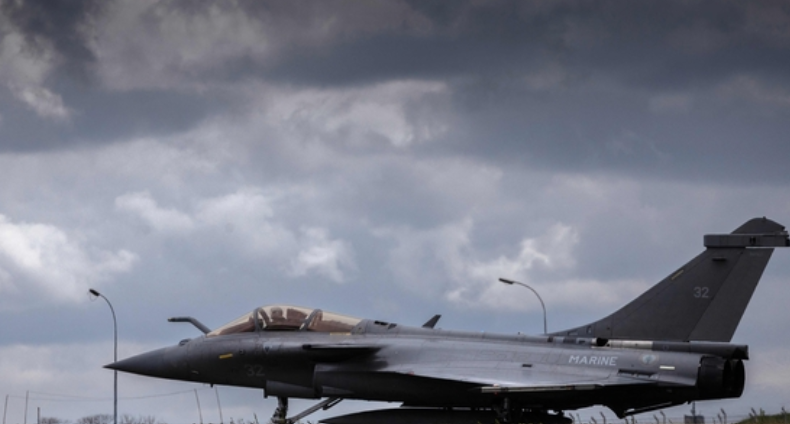
As tensions continue to rise along the western frontier, Prime Minister Narendra Modi was briefed on Sunday by Air Chief Marshal A.P. Singh regarding the Indian Air Force’s (IAF) operational preparedness. The IAF has been conducting long-range fighter sorties and maintaining a high-alert status across its air defence network amid growing concerns over potential escalation.
India is keeping all military options open for limited, targeted strikes in response to cross-border terrorism. The latest review by PM Modi follows a similar briefing he received from Navy Chief Admiral Dinesh K. Tripathi a day earlier, highlighting the government’s focus on comprehensive tri-service readiness.
In a signal of full strategic backing, PM Modi had assured military leaders, during a meeting on April 29, that they had “complete operational freedom” to decide on the “mode, targets and timing” of India’s response to any provocation. This directive comes amid fresh ceasefire violations reported across multiple sectors of the Line of Control (Loc) in Jammu and Kashmir, including Kupwara, Baramulla, Poonch, Rajouri, Mendhar, Naushera, Sunderbani, and Akhnoor.
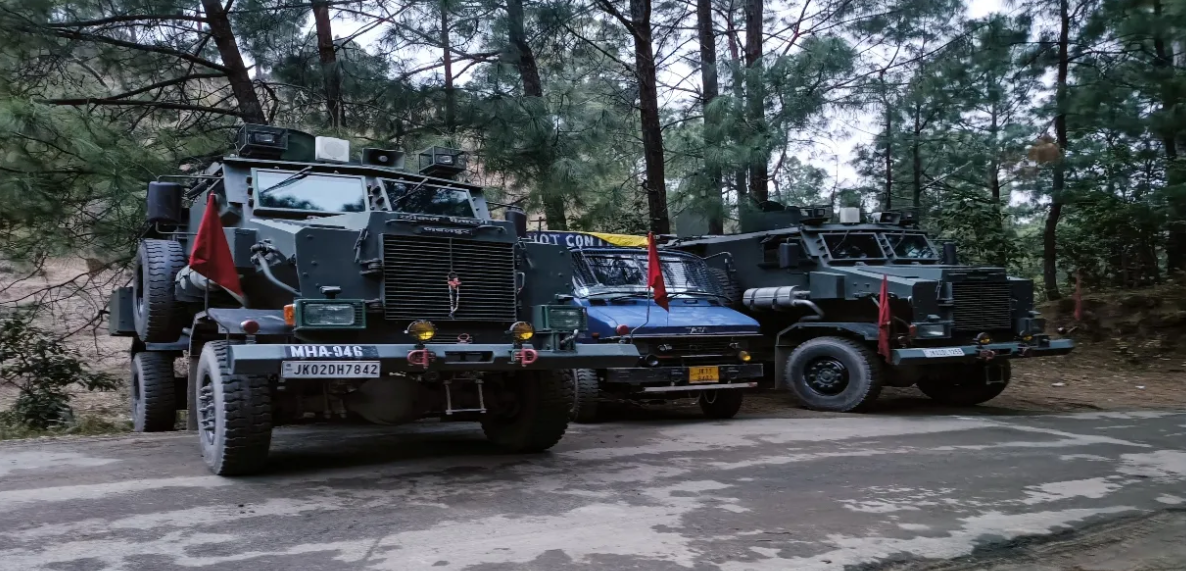

According to Army sources, Indian troops have been responding in “full measure” to these unprovoked firings. Simultaneously, the IAF has intensified combat air patrols (CAPS) and increased the deployment of Operational Readiness Platforms (ORPS) at key airbases along the western front.
ORPS typically consist of two to three fully-armed fighter jets housed in fortified blast pens next to runways, prepared for immediate takeoff the moment an alert is triggered. This elevated posture ensures swift response capabilities in the event of further hostilities.
Unlike during the 2019 Balakot airstrikes, when the IAF did not yet have Rafale jets in its arsenal, today’s air fleet includes the advanced 4.5-generation omni-role Rafales. These fighters are equipped with state-of-the-art weaponry, including over 300-km-range SCALP air-to-ground cruise missiles and Meteor air-to-air missiles with a strike range of 120 to 150 km, significantly enhancing India’s air dominance capabilities.
With all three military branches now on high operational alert, India appears poised to respond swiftly and decisively to any provocation across its borders.