 a‘India Should Be Treated as an Equal’
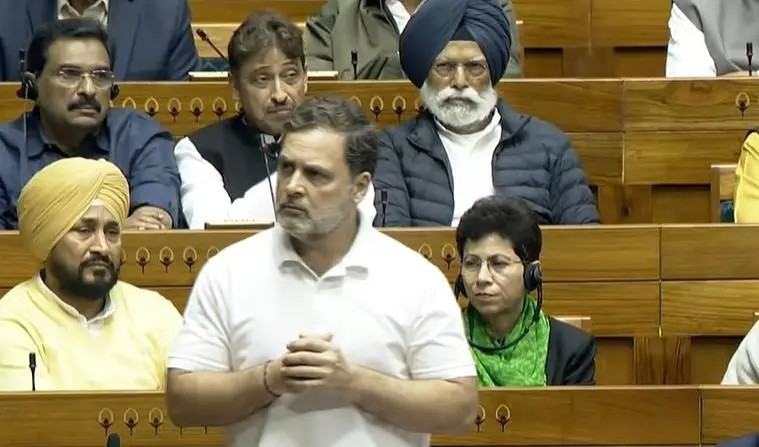
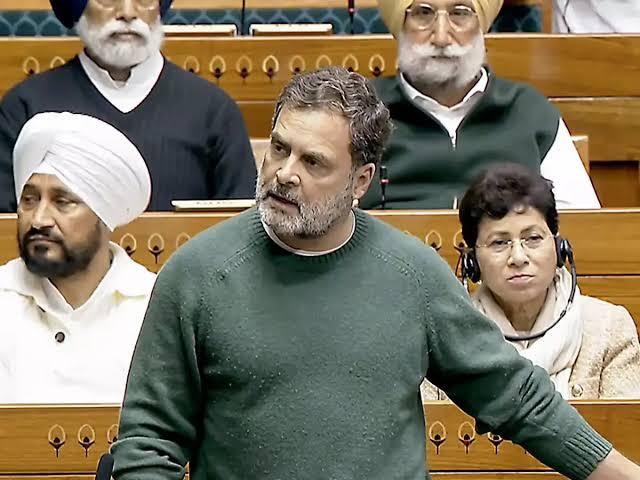
Gandhi argued that if an INDIA Bloc government had negotiated the trade agreement, it would have insisted on parity in the discussions. According to him, India must engage with global powers on equal terms rather than accept what he termed a one-sided arrangement.
He told the House that India’s stature as a major economy and a strategic power demands negotiations that safeguard domestic industries and long-term national priorities. His remarks came amid heightened political debate over the broader implications of the interim trade pact.
Concerns Over Energy Security
A central point in Gandhi’s speech was energy security. He alleged that the terms of the interim trade agreement could limit India’s flexibility in sourcing oil and energy supplies. Without elaborating on specific clauses, he claimed that strategic autonomy in energy procurement could be affected.
Energy security has remained a critical issue for India, especially in the context of global geopolitical tensions and fluctuating crude oil prices. Government data and policy updates on energy cooperation can be accessed via the Ministry of Petroleum and Natural Gas (mopng.gov.in).
Impact on Farmers and Textile Sector
Gandhi further alleged that Indian farmers would bear the brunt of the trade deal. He claimed that increased imports of American agricultural products could intensify competition in domestic markets, putting pressure on small and marginal farmers.
The Congress leader also expressed concern over the textile industry, suggesting that domestic manufacturers may struggle if import policies tilt in favour of foreign producers. However, the government has maintained that trade agreements aim to expand export opportunities while balancing domestic interests.
Debate Amid Budget Discussions
The remarks were made during discussions on the Union Budget 2026–27. The Budget Session has seen intense exchanges between the ruling alliance and the Opposition on issues ranging from economic growth to foreign policy.
Global Context and Strategic Outlook
Gandhi also referred to the evolving global order, stating that the world is entering a period of heightened geopolitical tension. He emphasised the need to protect India’s people, data infrastructure, food systems and energy networks in an increasingly uncertain environment.
While the government has consistently highlighted its commitment to safeguarding national interests in international agreements, Opposition leaders have sought greater transparency on the details and long-term impact of the interim pact.
Political Reactions Expected
The government is yet to issue a detailed response to Gandhi’s specific allegations in the House. However, senior ministers have previously defended the interim trade deal as a step toward strengthening economic ties with the United States and boosting bilateral trade.
As Parliament continues its Budget Session, the India-US trade agreement is likely to remain a focal point of political debate. With economic diplomacy playing a central role in India’s global strategy, discussions around sovereignty, market access and strategic autonomy are expected to intensify in the coming weeks.