 Time and cost savings that matter
Where journeys once took up to 12 hours, the corridor will reduce travel to roughly five hours. That time saving translates directly into lower fuel consumption, reduced driver fatigue and less vehicle wear-and-tear measurable benefits for freight operators and logistics firms. Faster turnaround also improves asset utilisation: lorries can complete more trips in a week, increasing income for owner-operators and supporting more efficient freight rates.
Industry, ports and supply-chain advantages
By linking mineral and industrial belts in Chhattisgarh and Odisha directly to Visakhapatnam port and the Chennai-Kolkata national corridor, the new highway will shorten export routes and unclog supply chains. Industries that previously faced long transit times will gain quicker access to global markets, supporting faster exports, lower logistics costs and better competitiveness for regional manufacturers and miners.
Local lives: farmers, transporters and communities
Voices from the road underline the human impact. Vishal, a Raipur-based lorry owner, told reporters the corridor will let him start a daytime run and reach Visakhapatnam the same night a dramatic shift from earlier routines that often required overnight stays. Farmers, too, report improved market prospects: quicker transit means fresher produce and reduced post-harvest losses.
Land values have already seen sharp rises. Several farmers said compensation for land acquisition and the prospect of higher adjacent land prices — in some cases rising from ₹15 lakh to about ₹1.5 crore per acre, according to locals have reshaped household balance sheets and local aspirations. For many, the corridor is turning short-term disruption into longer-term opportunity.
Connectivity for remote and tribal districts
Beyond commerce, the highway will open remote districts such as Dhamtari, Kanker and Keshkal in Chhattisgarh; Koraput and Nabarangpur in Odisha; and Araku and Ramabhadrapuram in Andhra Pradesh to faster healthcare access, education and services. Improved mobility is a key enabler for integrating tribal and rural populations into broader economic activity while easing access to essential services.
Design, safety and travel quality
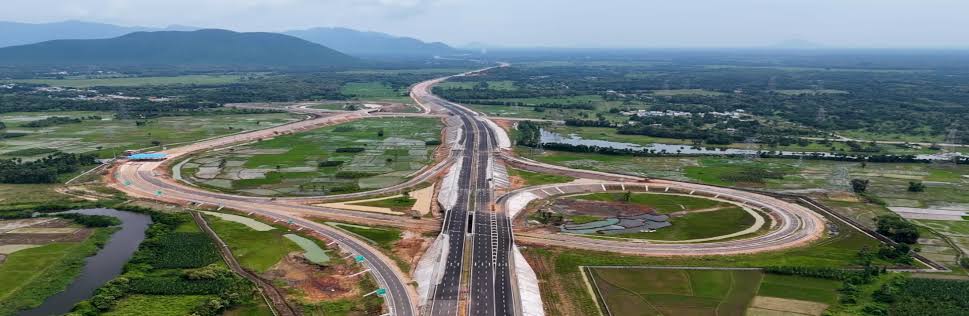
The new access-controlled corridor designed for 100 km/h will relieve congestion on the older two-lane NH-26, improving travel comfort and road safety. Built across 15 construction packages, the highway incorporates modern design standards to reduce accidents and ensure predictable travel times for passengers and freight operators alike.
Tourism, jobs and regional development
Shorter travel times and better road quality are expected to boost regional tourism from forest trails in Chhattisgarh to coastal attractions near Visakhapatnam. The construction phase alone generates jobs across civil works, logistics and local services; long term, improved connectivity tends to stimulate real estate, retail and hospitality growth along the corridor.
What to watch before the road opens
Key implementation milestones include timely completion of all 15 packages, robust environmental and social safeguards, and targeted local employment schemes. Ensuring fair compensation, effective resettlement and skill training for affected communities will determine whether the corridor’s gains are widely shared.