The Gentle Leader
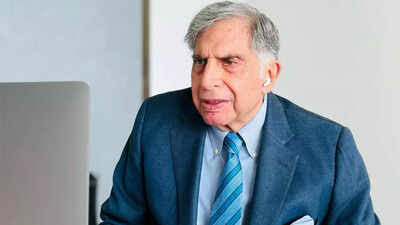
In a world often driven by noise and power, Sir Ratan Tata led with quiet strength and purpose. Despite his global stature, he shied away from the spotlight, letting his work define his influence. When he assumed leadership of Tata Sons in 1991, India had just begun liberalising its economy, and the group needed cohesive modernisation. He unified fragmented companies, streamlined operations, and set the stage for global acquisitions like Tetley, Corus, and Jaguar Land Rover.
Life Rooted in Values
Born on December 28, 1937, to Naval and Soonoo Tata, Ratan Tata was raised by his grandmother, Lady Navajbai Tata. His disciplined upbringing instilled values of integrity, humility, and responsibility. Educated at Cornell University in architecture and structural engineering, he developed independence and a meticulous eye for design, qualities that later influenced his corporate strategies.
From Architecture to Industry
Despite initially dreaming of a life in Los Angeles, Tata returned to India to support his family and joined Tata Industries in 1962. He gained experience across Tata Motors, Tata Steel, and Nelco, learning leadership, patience, and resilience. Rising to Chairman of Tata Industries in 1981 and later Tata Sons in 1991, he led the conglomerate through a critical phase of global expansion and modernization.
The Man Behind the Milestones
Ratan Tata remained grounded despite his corporate achievements. A lover of dogs, cars, architecture, and flying, he led a disciplined, sober lifestyle. He never married, choosing to dedicate his life to business, philanthropy, and personal passions.
Building a Legacy Beyond Business
Under his guidance, the Tata Trusts expanded healthcare, education, and rural development initiatives. Programs like the 2017 Cancer Care Programme highlighted his commitment to societal welfare. His contributions earned him the Padma Bhushan (2000), Padma Vibhushan (2008), and induction into the Automotive Hall of Fame (2015).
 Final Years and Enduring Impact
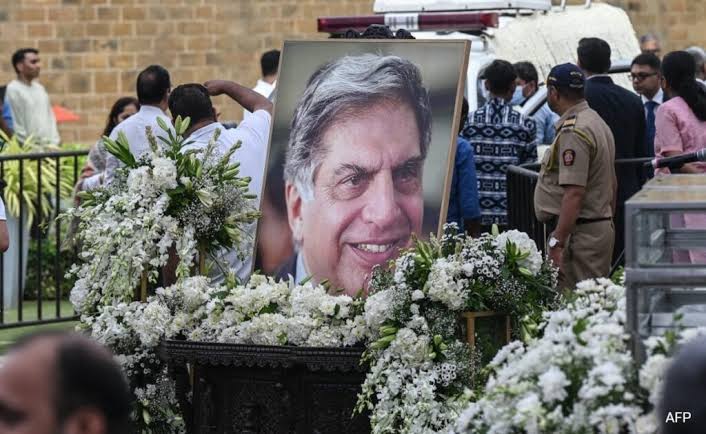
Even after retiring in 2012, Tata continued mentoring startups, investing in India’s entrepreneurial ecosystem, and serving educational institutions globally. He passed away in October 2024 at age 86, leaving behind a legacy of ethics, vision, and transformative leadership.