
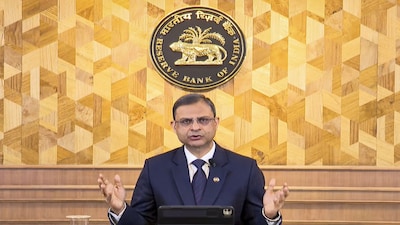
In a decisive move to support economic recovery amid global headwinds, the Reserve Bank of India (RBI) has announced a 25 basis points (bps) cut in the repo rate, bringing it down to 6%. The Monetary Policy Committee (MPC), led by Governor Sanjay Malhotra, also shifted the policy stance from ‘neutral’ to ‘accommodative’, signaling its readiness to ease further if required.


Governor Malhotra, in his post-policy briefing, highlighted that the decision reflects a deep concern for sustaining domestic growth momentum. While inflation has dipped below the target, uncertainties surrounding global developments—including a potential tariff war—continue to loom large. Despite this, the RBI maintains confidence in India’s economic resilience, projecting a GDP growth rate of 6.5% and inflation around 4% for FY26.
The reaction from markets and industry experts has been largely optimistic. Many view the rate cut as timely and necessary. Analysts believe that sectors like real estate, auto, banking, and NBFCs—especially those with high interest rate sensitivity—stand to benefit the most. The move is expected to improve loan affordability, boost housing demand, and strengthen credit offtake, particularly in underserved Tier 2 and Tier 3 cities.
Financial leaders echoed support for the RBI’s move, noting that the change in stance allows greater flexibility in monetary policy and reassures markets of the central bank’s commitment to supporting growth. For instance, Binod Kumar, MD & CEO of Indian Bank, emphasized that the bank is prepared to pass on the benefits of the rate cut to MSMEs and retail borrowers, which could further accelerate consumption.
Economists also believe that the accommodative stance opens up the possibility of further rate cuts in the coming months, especially if inflation remains subdued. Some even predict the repo rate could dip as low as 5.50% during this cycle, should global conditions remain stable.
On the policy front, the RBI has also proposed increasing transaction limits in UPI to accommodate emerging use cases, signaling its continued focus on digital financial inclusion. Meanwhile, the Governor reassured that the rupee remains stable and sufficient forex reserves are in place, allowing the central bank to intervene only when necessary.
Overall, the RBI’s latest policy move strikes a careful balance—acknowledging the risks posed by external uncertainties while taking proactive steps to sustain domestic economic activity. In these uncertain times, the central bank’s actions offer a measure of comfort to businesses, investors, and ordinary citizens alike, reaffirming a commitment to stability, growth, and inclusive prosperity.