
US Tariffs Pose New Challenges
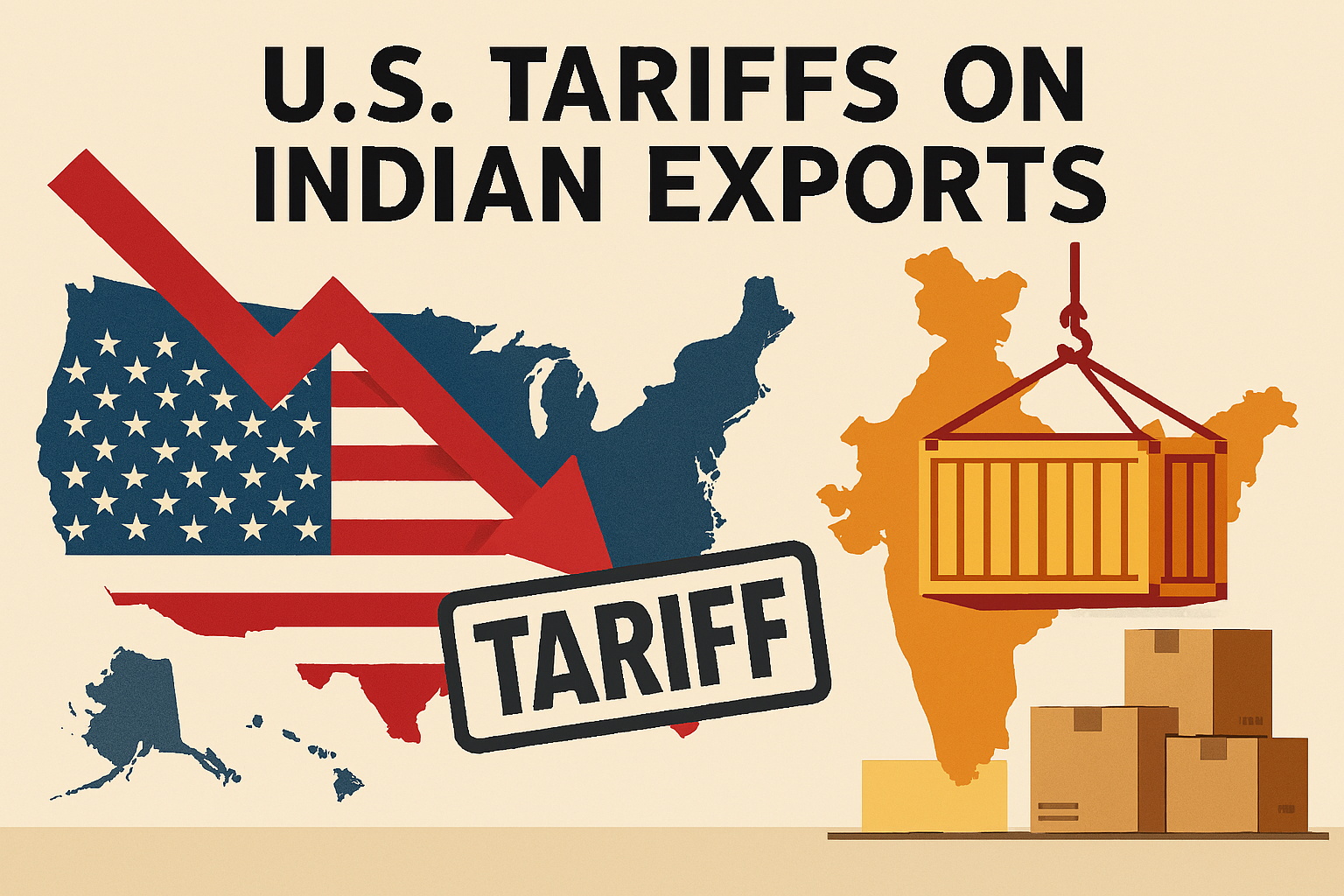
The RBI’s caution follows the United States’ imposition of steep 50% tariffs on a range of Indian exports. According to the central bank, these tariffs could increase input costs for domestic producers, disrupt supply chains, and push up core inflation despite the current low headline rate.
Economists believe the sectors most exposed include textiles, steel, and certain agricultural products. The RBI’s internal assessment indicates that if exporters pass on these costs domestically, consumers could face higher prices in the medium term.


The MPC’s decision signals a shift from aggressive rate cuts earlier in 2025 to a wait-and-watch approach. Malhotra noted that while growth indicators remain steady, food price volatility and geopolitical uncertainties demand policy stability.
“We are in a phase where inflation is low, but risks are building up. Our mandate is to anchor inflation expectations without derailing growth momentum,” the Governor said in his post-policy statement.
Global Factors Add to Policy Uncertainty
The RBI also flagged other global risks, including unpredictable energy prices, climate-driven agricultural shocks, and tightening financial conditions in advanced economies. These could influence both the currency and the cost of imported goods.
The bank reiterated its commitment to ensuring adequate liquidity in the financial system while intervening as needed to prevent excessive volatility in the rupee.
Outlook for the Rest of 2025
Market analysts expect the RBI to hold the repo rate steady at least until late 2025, with any easing contingent on inflation staying comfortably below the 4% target. If US tariffs continue and food prices remain unstable, the central bank may even consider tightening.
For now, the policy stance remains “neutral,” but the RBI is signalling that flexibility will be essential as trade and supply conditions evolve.
Impact on Borrowers and Businesses
The decision means home loan EMIs and corporate borrowing costs will remain unchanged in the short term. However, exporters facing tariff pressures may need government support or sector-specific relief measures.
Industry bodies have urged policymakers to engage in trade negotiations with the US to reduce tariff impacts, while also enhancing domestic supply resilience.