
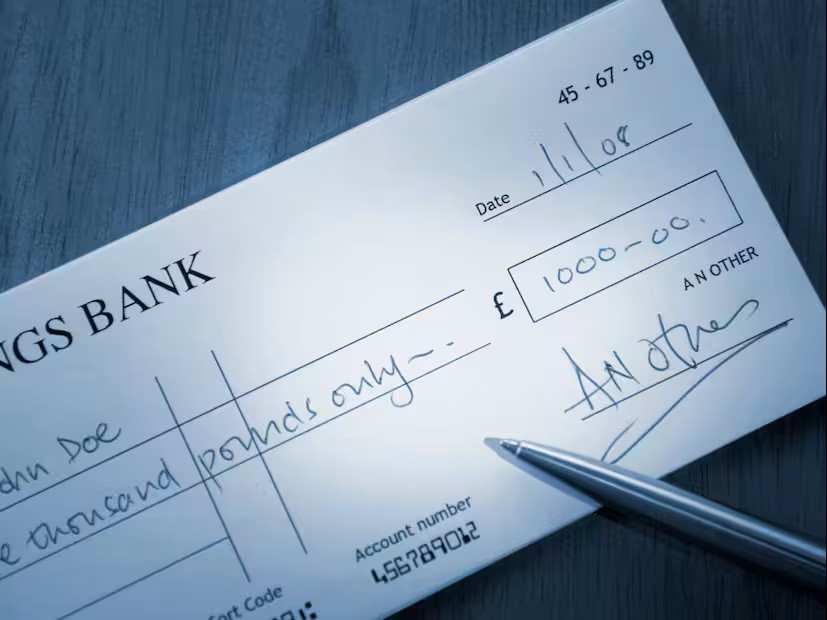
Types of Cheques and Their Rules
Cheques are broadly divided into two categories—bearer cheques and order cheques. A bearer cheque can be encashed by anyone who presents it at the bank. It works almost like cash, and there is no need to sign on the reverse side.
On the other hand, order cheques are payable only to the person whose name is written on the cheque. If the issuer wants to transfer it to another individual, they must sign on the back. This process is called endorsement.

Many people unknowingly sign the back of cheques without understanding its purpose. Doing so on a bearer cheque makes it even easier for fraudsters to misuse. RBI guidelines make it clear: only sign on the reverse when you want to endorse it to another person. If you are withdrawing money yourself, no extra signature is needed on the back.
For example, if you sign the front of the cheque (as required) and also sign the back accidentally, anyone holding that cheque could potentially encash it. In case the cheque is lost or stolen, your funds could vanish in minutes.
Common Mistakes People Make
According to banking experts, around 90% of account holders are unaware of this RBI rule. Many learn about it only after their cheque transactions face delays or complications. In some cases, customers have lost money because their signed cheques fell into the wrong hands.
Another common error is leaving blank spaces on cheques. If not carefully filled out, someone could alter the amount or payee name, making the cheque vulnerable to fraud.
How to Stay Safe While Using Cheques
- Always sign only in the designated space on the front.
- Never sign the back unless endorsing the cheque to someone else.
- Write the payee’s name clearly to avoid misuse.
- If issuing a bearer cheque, keep it secure until delivered.
- If a cheque goes missing, immediately inform your bank to stop payment.
RBI’s Emphasis on Consumer Awareness
RBI has repeatedly urged consumers to follow safe banking practices to prevent fraud. Simple precautions—such as careful signing, filling details without blanks, and avoiding unnecessary endorsements—can safeguard your hard-earned money. Official information on cheque security and rules is available on the RBI website.
Bottom Line
Signing the back of a cheque might look harmless, but it can cost you dearly if misused. Being aware of RBI rules is the first step towards financial safety. Next time you issue a cheque, pause and double-check—because one extra signature could leave you penniless.