
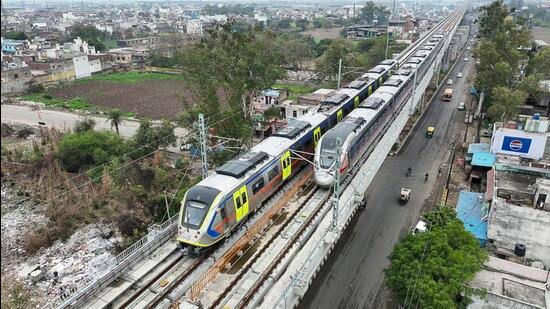
RRTS Trial: Delhi to Meerut in Under an Hour
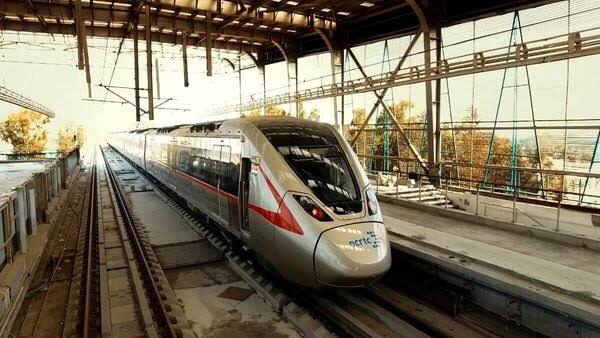

Running at a maximum operational speed of 160 kmph, the trial sets a benchmark for India’s semi-high-speed rail. The project is part of the Delhi-Ghaziabad-Meerut Regional Rapid Transit System, and this trial marks a major milestone in its phased launch.
The success of this run brings India closer to a fully integrated regional mobility solution. According to NCRTC, this is the first time in India that metro trains (Meerut Metro) and high-speed RRTS trains have shared the same infrastructure seamlessly. During the trial, systems like the hybrid signalling mechanism and Platform Screen Doors (PSDs) functioned flawlessly.
Reduced Travel Time, Greater Connectivity
The operational efficiency of the Namo Bharat train means that what used to be a 2–3 hour commute by road has now been compressed to under 60 minutes. This massive time-saving could transform urban commuting in NCR and boost regional economic activity.
“Now, people can comfortably work in Delhi, Ghaziabad, or Muradnagar while living in Modinagar or Meerut, staying close to their families,” said an NCRTC official. This shift could reduce urban migration pressures and encourage reverse migration trends.
Infrastructure Highlights
- 11 RRTS stations are already operational between New Ashok Nagar and Meerut South (55 km).
- The final 4.5 km stretch in Delhi and 23 km in Meerut is nearing completion.
- The Meerut Metro segment includes 13 stations: 18 km elevated and 5 km underground.
- The project integrates **advanced ticketing, safety, and green energy systems**.


Public Launch on the Horizon
While an official date is yet to be announced, the full commercial launch is expected by the end of 2025. Trial runs will continue, focusing on real-time passenger simulations, automated systems, and final safety certifications.
The RRTS project is part of the Government of India’s vision fortransformative rail infrastructure, ai, aimed at reducing carbon footprints, cutting travel time, and improving economic integration between major urban centers.
With Delhi aiming to host the 2036 Olympics, such high-speed connectivity also adds to the city’s long-term urban planning and infrastructure preparedness.
Conclusion
The Namo Bharat RRTS trial success is more than just a transport feat—it’s a preview of India’s transit future. Fast, efficient, and sustainable. As more corridors open and public operations begin, a new era of regional connectivity is set to unfold.