
Missile and Bomber Drills Over the Barents Sea
According to Russia’s Ministry of Defence, Tu-160 nuclear-capable strategic bombers rehearsed launching cruise missiles during flights over the Barents Sea. The four-hour operation, carried out over neutral waters, was escorted by MiG-31 fighter jets. Officials described the exercise as a test of combat readiness under conditions “close to real war.”
The exercises also featured Iskander-M missile systems delivering simulated strikes on critical targets in Russia’s Kaliningrad region, heightening concerns among neighboring NATO states.
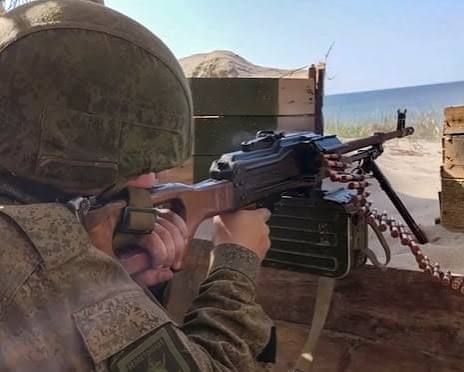

About 7,000 soldiers took part in the week-long drills, including 6,000 from Belarus. The war games were held in both Russian and Belarusian territory. Belarusian Defence Minister Viktor Khrenin was scheduled to observe some of the operations in Russia, according to his ministry.
Belarusian President Alexander Lukashenko has remained a close ally of Moscow, allowing Russian troops and tactical nuclear weapons to be stationed in Belarus. However, Belarus has not deployed its own soldiers directly into the Ukraine conflict.
NATO’s Concerns and Airspace Violations
The exercises follow a series of incidents that have alarmed NATO. Polish forces recently shot down drones that breached their airspace during Russia’s aerial attacks on Ukraine. Romania also scrambled fighter jets after detecting a drone crossing into its territory. These were the most serious violations of NATO airspace since Russia’s invasion of Ukraine in 2022.
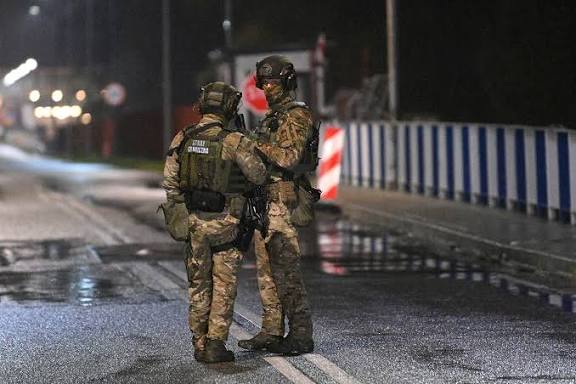
Poland responded by temporarily closing its border with Belarus, citing security risks. NATO members remain on high alert, with consultations under Article 4 of the alliance treaty being discussed.
Impact on Ukraine and Regional Security
While Russia and Belarus insist that Zapad 2025 is defensive in nature, Ukrainian officials reported deadly strikes during the same period. Attacks in Zaporizhia and Mykolaiv regions killed at least two people and injured several others, including children. These strikes coincided with the exercises, further escalating tensions in the region.
Meanwhile, peace efforts remain stalled despite earlier talks between US President Donald Trump, Ukrainian President Volodymyr Zelenskyy, and Russian President Vladimir Putin. US Secretary of State Marco Rubio indicated that Washington still hopes to facilitate negotiations, but trust between the parties has eroded.
Western Response and Outlook
The United States sent military officers to observe parts of the drills in Belarus, reflecting a cautious opening of dialogue with Minsk. However, Russia has dismissed NATO’s concerns, accusing Ukraine of staging provocations and insisting that the exercises are purely routine.
For now, Zapad 2025 has underscored the widening gulf between Moscow and NATO. The combination of missile tests, bomber flights, and escalating border tensions signals that Europe’s security environment remains fragile.