
A New Milestone in Cancer Research
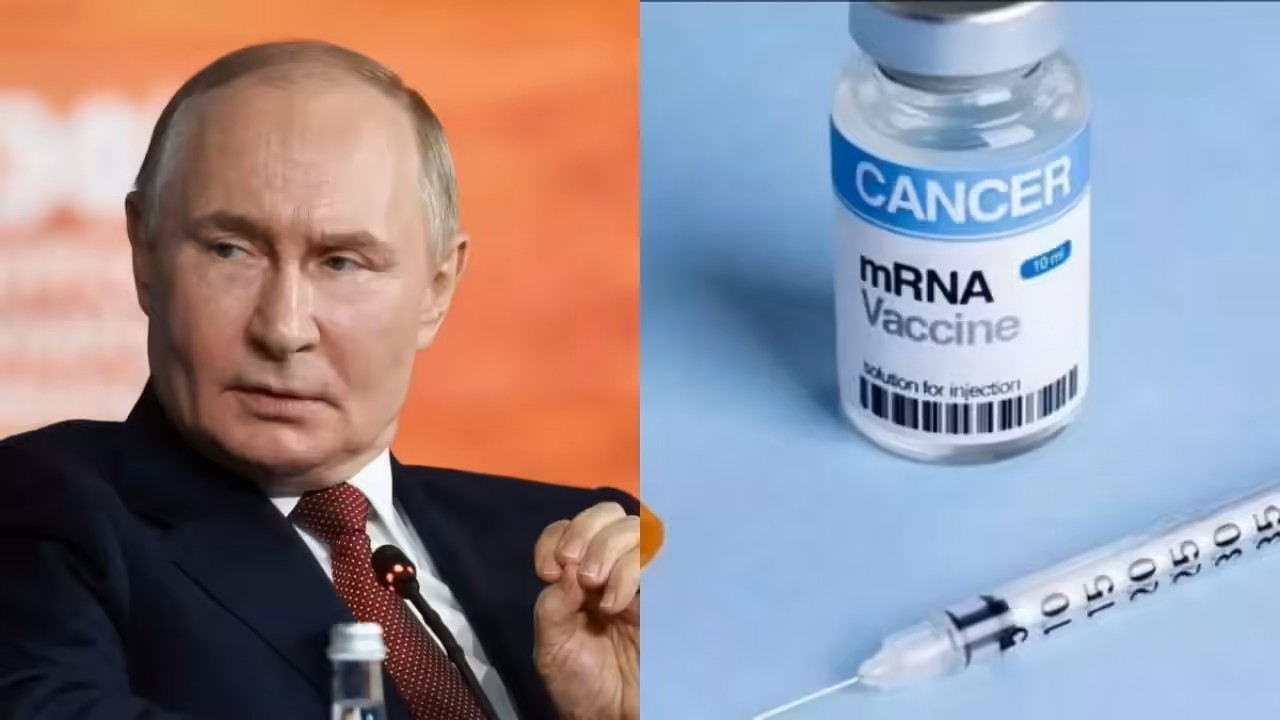
The vaccine, designed on the lines of COVID-19 mRNA technology, works by training the immune system to recognize and eliminate cancer cells. Unlike chemotherapy or radiation, Enteromix did not cause serious side effects during trials, making it a safer alternative for patients.
Veronica Skvortsova, head of FMBA, confirmed that the vaccine had successfully passed all stages of testing. Early results showed tumor shrinkage, slowed growth, and high tolerance for repeated use. The first approved variant will target colorectal cancer, with additional versions in development for glioblastoma (a form of brain cancer) and melanoma (a type of skin cancer).
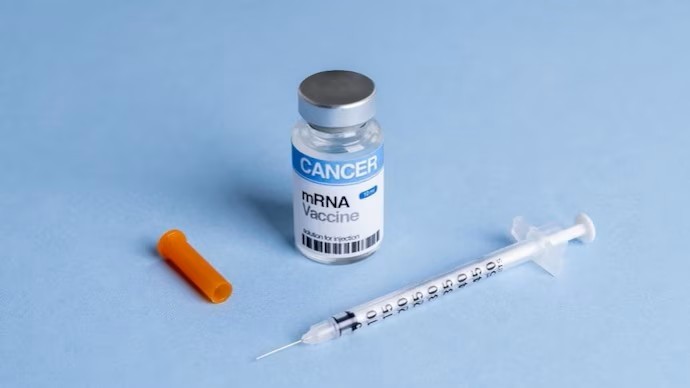

One of the key features of Enteromix is its personalized approach. The vaccine is customized to each patient’s RNA, making it more effective in targeting specific cancer cells. This tailored strategy distinguishes it from conventional therapies and represents a major step forward in precision medicine.
Reports also suggest that Enteromix uses four harmless viruses to attack tumors and stimulate the immune system simultaneously, significantly enhancing the body’s natural defense mechanisms.
From Trials to Public Use
The clinical trials began earlier this year with 48 volunteers, announced at the St. Petersburg International Economic Forum (SPIEF 2025). Conducted in collaboration with the National Medical Research Radiology Centre and the Engelhardt Institute of Molecular Biology, the trials showed unprecedented results in cancer treatment research.
Currently, the vaccine awaits final approval from Russia’s Ministry of Health. Once cleared, Enteromix will become the world’s first widely available personalized mRNA cancer vaccine.
Global Implications
Medical experts believe Enteromix could revolutionize oncology care, particularly for patients battling aggressive cancers with limited treatment options. If approved, it will not only benefit Russia but also contribute significantly to global cancer research collaborations.
For India and other nations, this breakthrough could open the door for future cooperation in biotechnology, vaccine development, and advanced cancer treatments. highlight that India has also been investing heavily in biotechnology, signaling potential for future partnerships.