
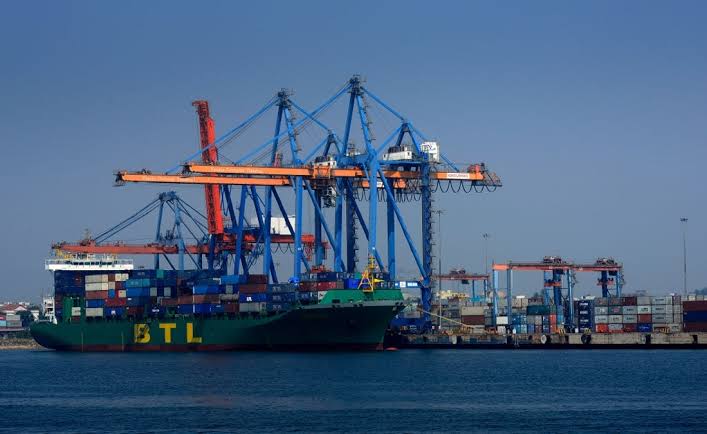
Union Minister of Ports, Shipping and Waterways Sarbananda Sonowal informed the Lok Sabha that these developments have contributed to faster cargo movement, improved port infrastructure, and greater support for coastal communities. The Sagarmala initiative, launched to promote port-led development, is now playing a crucial role in strengthening India’s export-import (EXIM) ecosystem and overall economic growth.
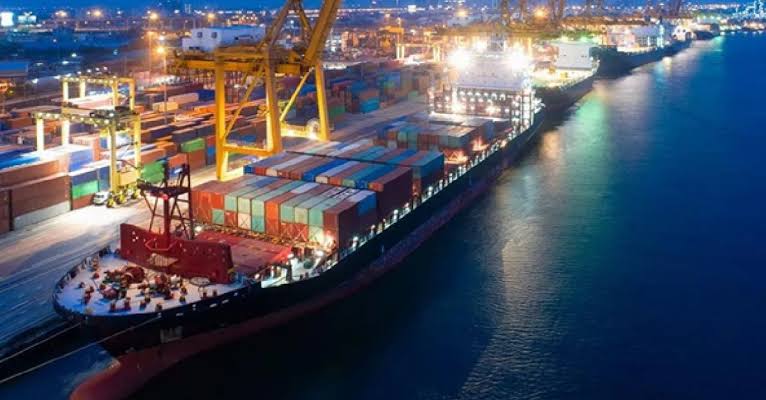

The Sagarmala Project operates across five major pillars: port modernization, port connectivity, port-led industrialization, coastal community development, and coastal shipping and inland water transport. These pillars collectively aim to enhance maritime infrastructure while promoting economic development in coastal regions.
Under the coastal shipping and inland water transport component, six coastal berth construction projects worth ₹385.5 crore have been funded. Out of these, five projects valued at ₹320.5 crore have already been completed. These completed projects have increased coastal cargo handling capacity by approximately 6.5 million tonnes, improving operational efficiency and reducing congestion at major ports.
Additionally, under the port modernization pillar, 24 projects worth ₹1,033.43 crore were approved, of which 17 projects valued at ₹852.4 crore have been completed. These modernization efforts have introduced automation, enhanced safety systems, and implemented sustainable practices at ports, making them more efficient and globally competitive.
Boost to India’s Maritime Trade and Logistics Efficiency
The completed projects have significantly strengthened India’s maritime trade by improving cargo handling capacity and enabling smoother port operations. Faster cargo turnaround times and enhanced logistics efficiency have reduced costs for exporters and importers, making Indian trade more competitive globally.
Coastal shipping, a key component of Sagarmala, has emerged as a cost-effective and environmentally sustainable alternative to road and rail transport. By expanding coastal shipping capacity, the initiative is helping decongest highways, lower transportation costs, and reduce carbon emissions.
The introduction of automation and modern technologies at ports has further streamlined cargo handling processes. This has improved reliability and reduced delays, enabling faster movement of goods and supporting India’s growing trade volume.
Economic Growth and Employment Opportunities
Beyond infrastructure development, Sagarmala is also contributing to economic growth by generating employment opportunities and supporting coastal communities. The initiative promotes skill development, job creation, and entrepreneurship in coastal regions.
The project is also encouraging the development of ancillary industries such as ship repair clusters, logistics hubs, and multimodal transport facilities. These industries are expected to generate significant employment while strengthening India’s maritime ecosystem.
Coastal community development initiatives under Sagarmala focus on improving livelihoods through skill training, infrastructure support, and access to economic opportunities. This approach ensures that infrastructure growth translates into inclusive development.
Supporting Maritime Amrit Kaal Vision 2047
The Sagarmala Project plays a vital role in achieving the Maritime Amrit Kaal Vision 2047, which aims to position India as a leading global maritime hub. By modernizing ports, improving logistics efficiency, and enhancing maritime infrastructure, the initiative is laying the foundation for long-term growth.
The development of digital infrastructure, inland water transport systems, and green shipping initiatives is expected to further strengthen India’s maritime sector. Investments under Sagarmala are also supporting sustainable development through environmentally responsible infrastructure and energy-efficient port operations.
These efforts are helping India transition toward a modern, efficient, and globally competitive maritime ecosystem capable of supporting the country’s expanding trade ambitions.
Strengthening India’s Global Trade Position
The Sagarmala initiative is transforming India’s maritime infrastructure and strengthening its position in global trade. Improved port efficiency, increased cargo handling capacity, and better logistics connectivity are enabling India to handle higher trade volumes efficiently.
With continued investments and project implementation, the Sagarmala Project is expected to deliver long-term economic benefits. It will support industrial growth, create employment opportunities, and enhance India’s competitiveness in global trade.
As India moves toward becoming a major global economic power, initiatives like Sagarmala are playing a crucial role in building a modern maritime ecosystem that supports trade, economic growth, and regional development.