

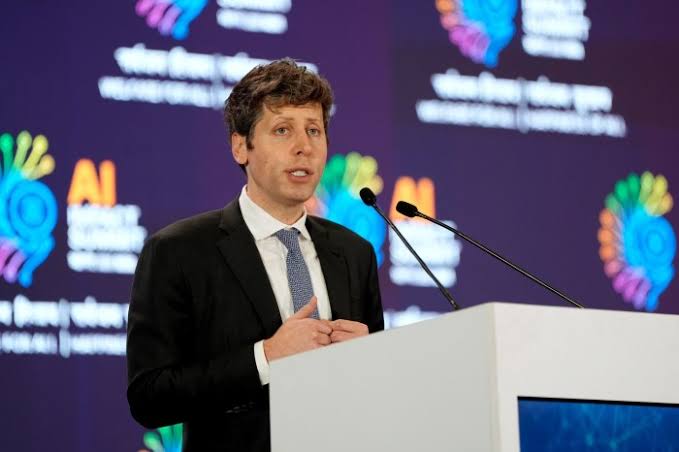

Altman stated that the agreement includes strict safeguards aligned with OpenAI’s core safety principles. He reiterated that the company prohibits domestic mass surveillance and insists on human responsibility in decisions involving the use of force, including autonomous weapons systems.
According to Altman, the Department of War acknowledged these principles and incorporated them into the legal and policy framework of the agreement. The AI systems will operate exclusively on secure cloud networks, and technical teams will oversee their deployment to ensure compliance.
Escalating Tensions Over AI Policy
The announcement coincides with heightened tensions between the White House and sections of the technology sector. President Donald Trump recently directed federal agencies to halt the use of Anthropic’s AI systems, intensifying what observers describe as a growing divide over AI governance and national security policy.
Anthropic, led by CEO Dario Amodei, has been known for its strong emphasis on AI safety and regulatory caution. The ban has sparked debate within Silicon Valley about political influence in federal AI procurement.
OpenAI and Amazon Strategic Partnership
In a parallel development, OpenAI and Amazon have entered into a multi-year strategic partnership aimed at accelerating AI innovation across enterprise and consumer platforms. Amazon has committed up to $50 billion in phased investments, beginning with an upfront tranche of $15 billion.
The collaboration includes the creation of a Stateful Runtime Environment powered by OpenAI models. This infrastructure will allow AI systems to access computing resources, memory and identity tools more seamlessly, representing what both companies describe as the next stage in frontier AI deployment.
National Security and AI Governance
The agreement highlights the increasing role of artificial intelligence in defence and national security frameworks. Governments worldwide are examining how advanced AI systems can support classified operations while balancing ethical concerns and oversight.
For India and other emerging economies, the developments in Washington offer lessons in policy clarity and institutional safeguards. The Ministry of Electronics and Information Technology (https://www.meity.gov.in) has similarly stressed responsible AI deployment in public systems. Meanwhile, India’s defence AI initiatives continue to evolve under frameworks published by the Press Information Bureau (https://pib.gov.in).
Industry Divisions Widen
The broader AI industry appears divided. Some leaders have publicly supported the US administration’s approach, while others advocate regulatory caution and collaborative governance. Altman has expressed hope that disputes between AI firms and the government can be resolved through dialogue rather than legal battles.
He has also urged the Department of War to extend similar safety conditions to other AI companies, arguing that standardised principles would benefit the entire ecosystem.
What This Means Going Forward
The deployment of OpenAI’s models within a classified US government network signals a significant milestone in the integration of generative AI into defence infrastructure. It also underscores how artificial intelligence has become a strategic asset in global geopolitics.
As the United States recalibrates its AI partnerships, the ripple effects are likely to influence policy debates worldwide. The coming months may determine whether AI governance becomes a point of political contention or a foundation for bipartisan consensus.