
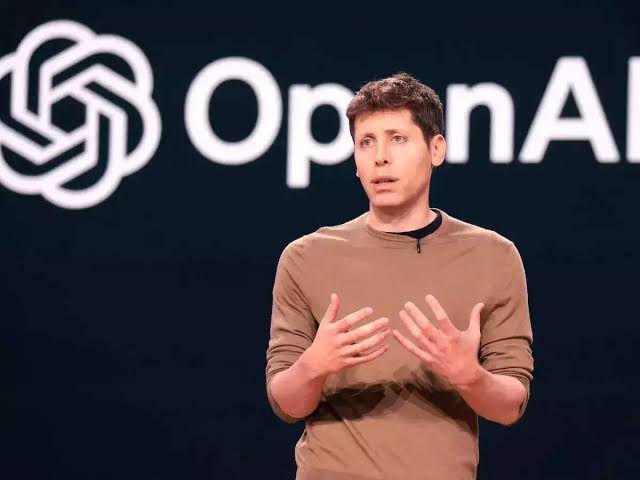


Sam Altman, the CEO of OpenAI, recently shared his unsettling experience with GPT-5 in a podcast with comedian Theo Von. Testing the model made him nervous. “There are moments in science when you just stop and wonder—what have we done?” he admitted.
Altman compared GPT-5’s development to the Manhattan Project, a World War II effort that produced the first atomic bomb. That comparison alone speaks volumes about the weight of what’s coming.
GPT-5: A Monumental Leap Over GPT-4
While exact specs remain confidential, sources suggest GPT-5 boasts:
- Sharper multimodal abilities
- Longer memory and advanced multi-step reasoning
- Real-time comprehension of complex tasks
Altman didn’t hold back when describing the difference: “GPT-4 is the dumbest model any of you will ever have to use again, by a lot.”
The AGI Dilemma: Are We Ready?
GPT-5 inches us closer to Artificial General Intelligence (AGI), where machines can reason and think like humans. Altman once claimed AGI would arrive quietly. But now, his tone has shifted.
“It feels like there are no adults in the room,” he said, highlighting a disturbing lack of global AI governance.
Rising External Pressure and Internal Conflict
Microsoft, a major OpenAI investor, wants greater control over the firm. With $13.5 billion already invested, Microsoft is reportedly waiting to act if OpenAI declares AGI—something that could shift their partnership terms.
Investors are also pressuring OpenAI to become a for-profit entity by the year’s end. If GPT-5 proves groundbreaking, the tension between ethical boundaries and profit motives may explode.
Fraudsters Are Already Winning the AI Arms Race
While policymakers debate the future of AI, criminals are already using it to exploit real-world systems. Haywood Talcove, CEO of the Government Group at LexisNexis, says:
“AI-generated fraud is siphoning millions from public benefits every week. Criminals are ahead of the game.”
Deepfakes, synthetic IDs, and automated bots are being used to exploit disaster relief and unemployment systems. “We’re losing this battle,” Talcove warns. He predicts AI capabilities will double every 180 days—what he calls “Altman’s Law.”
So, What Now? A Tipping Point for Humanity
Altman isn’t sounding the alarm to halt progress. Instead, he’s urging for thoughtful regulation and ethical safeguards. With tools like GPT-5 poised to redefine work, learning, and creativity, we need to pause and ask:
Are we building something we can no longer understand or control?
The Road Ahead
GPT-5 might be OpenAI’s most ambitious release, but it also marks a turning point. As AI starts to perform tasks once limited to the human mind, governments, businesses, and society must adapt fast.
Whether it’s a step toward AGI or just a smarter chatbot, one thing is clear—AI is evolving faster than we are prepared for.
SEO Meta Details
- SEO Title: Sam Altman Spooked by GPT-5: Is AI Moving Too Fast?
- Meta Description: OpenAI CEO Sam Altman says GPT-5 left him feeling useless and worried. As the AI arms race accelerates, are we losing control?
- Key Phrases/Hashtags:
- #GPT5
- #SamAltman
- #ArtificialGeneralIntelligence
- #AIRegulation
- #AIFraud
- #OpenAI
- #MicrosoftAI
- #Deepfakes
- #SyntheticIdentities
- #ManhattanProjectComparison
Suggested Images
- Featured Image: Sam Altman speaking at an AI ethics conferenceAlt Text: Sam Altman AI ethics conferenceCaption: Sam Altman warns of AI’s rapid progress at an ethics forum
Description: A photo of Sam Altman addressing concerns over GPT-5 during a global AI conference
- Inline Image: Screenshot of GPT-5 interface solving a complex math problemAlt Text: GPT-5 interface solving advanced queriesCaption: GPT-5 answering advanced logic problems in real-time
Description: An image showcasing GPT-5’s ability to solve complex reasoning tasks with speed and accuracy