
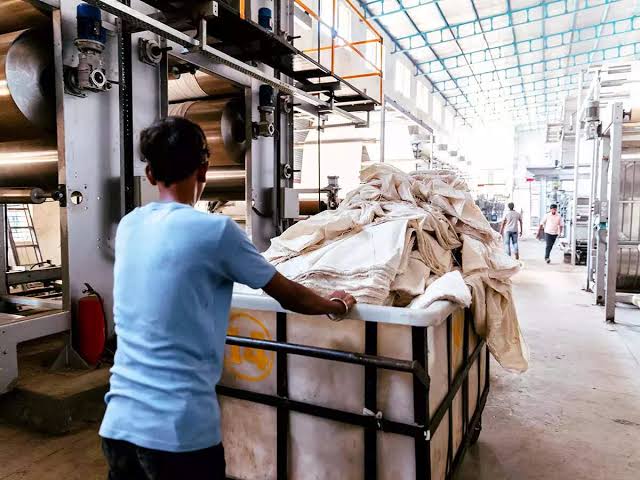
The Samarth Scheme, launched by the Ministry of Textiles, is transforming lives across India. It offers skill development and job placement opportunities in the organized textile sector. The goal is simple — empower youth with relevant skills and help industries grow with trained professionals.
What Is the Samarth Scheme?
Samarth stands for Scheme for Capacity Building in Textiles Sector. It aims to bridge the skill gap in the textile industry by offering demand-driven, placement-oriented training. This helps industries find the workforce they need, while enabling individuals to find sustainable employment.
The scheme runs on a Pan-India basis and covers the entire value chain of textiles, except spinning and weaving in the organized sector. It also includes self-employment support in traditional sectors like handloom, handicraft, jute, and wool.


Since its implementation, 3,19,887 beneficiaries have successfully completed training under Samarth. Even more impressive — 2,73,681 of them have secured jobs. This makes Samarth one of the most impactful skill development initiatives in India.
Importantly, the scheme has ensured inclusion. Among those placed, 26.70% belong to Scheduled Castes (SC) and 12.50% to Scheduled Tribes (ST). The government’s commitment to inclusive growth is clearly visible.
How the Training Works
The training programs are delivered by textile industries themselves. These industries are directly empanelled to conduct training based on their operational needs. This ensures that the skills imparted are industry-relevant and increase employability.
Training is offered under 120 NSQF-aligned courses (National Skills Qualifications Framework). These courses are designed to equip trainees with practical, hands-on experience in textile production, finishing, and value-added services.
Placement & Post-Placement Support
Samarth is not just about training — it’s about outcomes. For entry-level programs, at least 70% placement is mandatory. For upskilling courses, the figure rises to 90%. This ensures that beneficiaries are not just skilled but also employed.
The scheme also includes a 6-month retention clause under post-placement support. This gives workers time to adjust and stabilize in their new roles. It also ensures that industries invest in long-term talent development.
Empowering Self-Employment
Besides salaried jobs, Samarth supports traditional artisans. People involved in handloom, handicraft, jute, and wool-based occupations can receive specialized training under the scheme. This allows them to upgrade their skills, modernize their businesses, and become self-reliant.
By doing this, the scheme also helps preserve India’s rich textile heritage while making it economically viable in the modern world.
Government’s Commitment
Union Minister for Textiles, Shri Giriraj Singh, shared these achievements in a written reply to Lok Sabha on 29 July 2025. His statement highlighted the central role of Samarth in creating jobs, enhancing employability, and driving India’s textile sector forward.
“The Ministry is fully committed to empowering youth through skill-based training,” he noted. “This is a key part of India’s growth story in manufacturing and exports.”
Future Outlook
As India pushes to become a global textile hub, programs like Samarth are vital. With more industries joining the initiative and more youth enrolling, the scheme promises to generate long-term economic benefits.
The government plans to expand the scheme further — covering more regions, adding new courses, and leveraging digital platforms for wider access.
Conclusion
The Samarth scheme is a powerful example of how skill development can lead to job creation, economic empowerment, and inclusive growth. With continued focus and investment, it has the potential to turn India into a global textile powerhouse.