
Why Are Samosas Banned in Somalia?
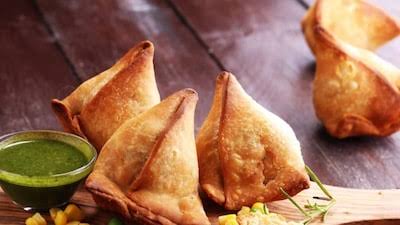
The ban, imposed in areas under Al-Shabaab’s control, shocked food lovers worldwide. The group claimed that the triangular shape of the samosa resembled the Christian Holy Trinity, making it “un-Islamic” in their interpretation. As a result, preparing, selling, or even eating samosas was deemed a crime in those regions.
This unusual reasoning turned a simple snack into a political and religious symbol. Vendors were forced to switch to alternative foods, while citizens were deprived of a dish they had enjoyed for generations.


Samosas are widely enjoyed across South Asia, the Middle East, Africa, and even Europe. In India, they are often paired with chai, while in African nations, they are known as sambusas and remain part of traditional cuisine. The ban in Somalia therefore stands out as an extraordinary example of how food can be politicized.
For many, the prohibition highlighted the extent of cultural restrictions enforced by extremist ideologies. Ordinary Somalis found themselves caught between their love for the dish and the fear of punishment.
Cultural Significance Beyond Borders
Food often transcends boundaries, carrying history, migration, and shared traditions. The samosa itself has a rich history, believed to have originated in the Middle East before arriving in India centuries ago. Today, it symbolizes hospitality and togetherness in many households worldwide.
The irony is that while samosas are banned in parts of Somalia, they are celebrated everywhere else—from fine dining restaurants in London to street markets in Nairobi and New Delhi. This contrast underlines how cultural perceptions of food can drastically differ depending on context.
Lessons from the Samosa Ban
While the idea of banning a snack may sound absurd to Indians, the incident offers deeper insights. It shows how extremist interpretations of culture and religion can reshape everyday life. It also reminds us that foods we take for granted can carry symbolic meaning elsewhere.
For readers in India, where samosas are not just food but an emotion, the Somali ban serves as a reminder of the importance of protecting culinary traditions from politicization. It also shows how something as simple as a snack can reflect broader struggles over identity, faith, and freedom.