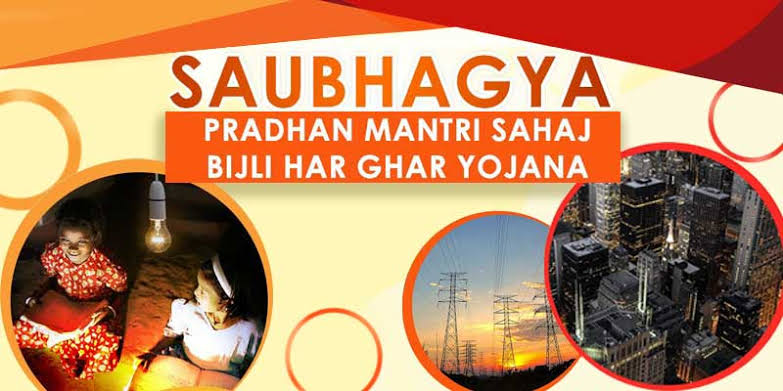
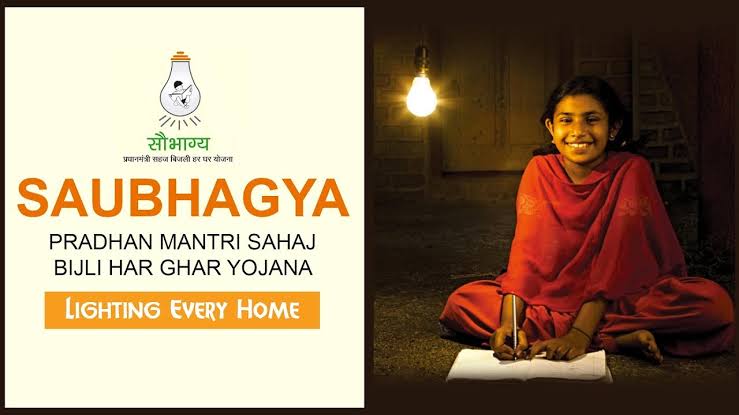
 According to a written reply by Minister of State for Power, Shri Shripad Naik, 286 lakh households were electrified under SAUBHAGYA, bringing all states and Union Territories to 100% electrification of identified willing households by March 2019. The scheme targeted an estimated 300 lakh un-electrified households, demonstrating substantial progress in bridging the energy access gap.
To further improve power distribution and reliability, the Government launched the Revamped Distribution Sector Scheme (RDSS). With a sanctioned project value of ₹2.62 lakh crore for infrastructure and smart metering, RDSS aims to enhance operational efficiency and financial sustainability. Under RDSS, electrification works worth ₹6,522 crore have been sanctioned for 13,65,139 households, including vulnerable tribal groups, Scheduled Castes, and households in remote or border areas under programs like PM-JANMAN, DA-JGUA, PM-AJAY, and the Vibrant Village Program.
Funding for household electrification under SAUBHAGYA was also supported through extra-budgetary borrowings raised by REC, amounting to ₹2,950 crore, with ₹21,159.30 crore raised under DDUGJY, totaling ₹24,109.30 crore. All allocated funds were utilized within the stipulated time to achieve the scheme’s objectives.
States across the country have reported remarkable progress, with Uttar Pradesh leading with over 91 lakh households electrified, followed by Bihar with 32.5 lakh, Odisha with 24.5 lakh, and Rajasthan with 21.2 lakh households connected. Smaller states and UTs like Arunachal Pradesh, Himachal Pradesh, and Puducherry have also achieved full electrification of willing households.
Through the combined efforts of SAUBHAGYA and RDSS, the Government of India continues to enhance access to electricity, supporting social and economic development across rural and urban areas. The schemes also prioritize sustainable electrification by incorporating smart metering, improving supply reliability, and focusing on marginalized communities.