

During the hearing in the long-running MC Mehta v. Union of India batch, the court was informed that of 37 ambient air-quality monitoring stations in Delhi, only 9 were functioning continuously at the time of Diwali.
Senior Advocate and amicus curiae Aparajita Singh pressed the bench: “If the monitoring stations are not even functioning, we don’t even know when to implement GRAP… that is the severe situation, mylords”.
What the Court Has Directed
- The court ordered CAQM to place on record an affidavit stating what steps are proposed to be taken so as to avert air-pollution turning “severe”.
- It affirmed that CPCB, in consultation with State Pollution Control Boards and their regional offices across NCR districts, will monitor Air Quality Index (AQI) daily from 14 October to 25 October 2025, and submit a report specifying the air quality of each day. Simultaneously, regional offices must take sand and water samples from high-use sites for analysis.
Context: Pollution Spike in Delhi-NCR
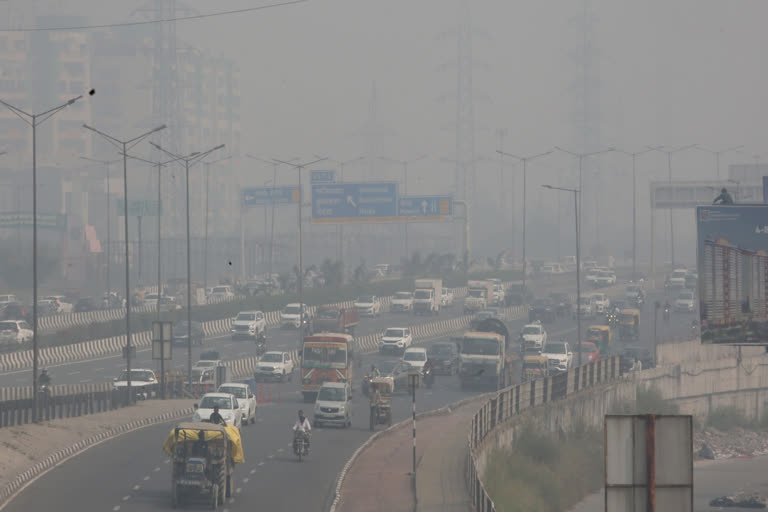
The Delhi region has for years seen severe air-quality challenges, especially in post-Diwali weeks and winter months. The lack of reliable monitoring data raises concerns for implementation of the Graded Response Action Plan (GRAP) which activates pollution controls when AQI crosses defined thresholds.
With only a fraction of monitoring units operational, experts say authorities are blind to real-time pollution levels undermining both public health warnings and enforcement of pollution-control measures.
Why This Matters
Without functioning monitoring infrastructure, the timing and scale of interventions such as traffic restrictions, construction bans, fire-cracker curbs or even school closures becomes arbitrary. The court’s intervention signals urgency from the judiciary that regulatory bodies must plug the data-gap immediately.