
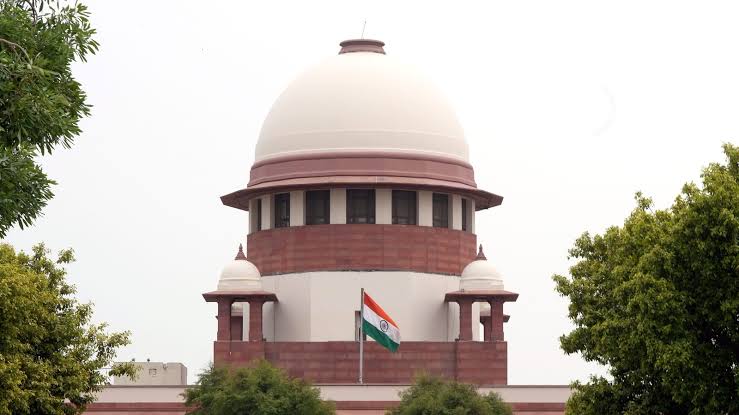
In a heartfelt appeal that underscores both the public significance and the physical strain surrounding the ongoing legal battle over the Waqf Amendment Act, 2025, the Supreme Court Bar Association (SCBA) has formally requested the Supreme Court to live stream the proceedings of the case. The request, made in a letter by SCBA Honorary Secretary Vikrant Yadav, brings to light the growing urgency for greater transparency and accessibility in matters that deeply affect the rights of religious and minority communities.


This particular case, which examines the constitutional validity of the recent amendments to the Waqf Act, has sparked widespread interest and concern across communities and legal circles alike. With questions of religious autonomy, property rights, and inheritance law at stake, the courtroom has become more than just a venue for legal arguments—it has become a space filled with emotion, anticipation, and a collective plea for fairness.
Recognizing the gravity of the matter and the practical challenges of accommodating everyone wishing to follow the proceedings, the SCBA has urged the court to adopt live streaming as a solution. Such a move would not only alleviate the physical crowding within the courtroom but also extend the reach of justice to citizens, scholars, journalists, and community members across the country who are eager to stay informed about a matter that touches on deeply held beliefs and lived realities.
As the bench led by Chief Justice of India Sanjiv Khanna continues to hear the case alongside Justices Sanjay Kumar and K V Viswanathan, the call for live streaming reflects a deeper aspiration within the legal community—to make the judiciary more open, inclusive, and attuned to the needs of the people it serves. In this moment, the push for transparency becomes not just a logistical request but a compassionate appeal for dignity, awareness, and democratic participation.