
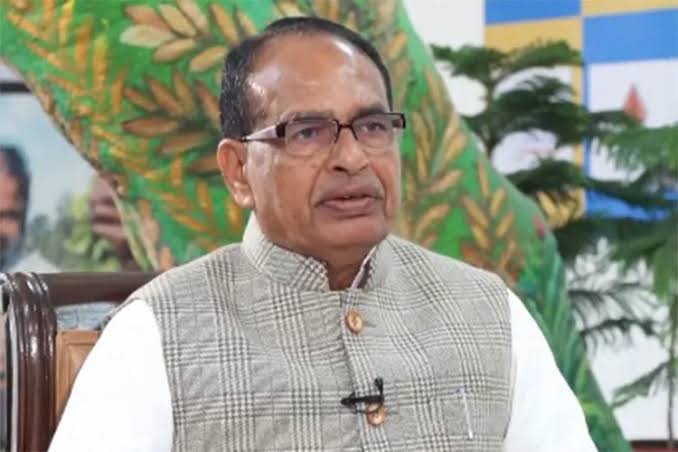
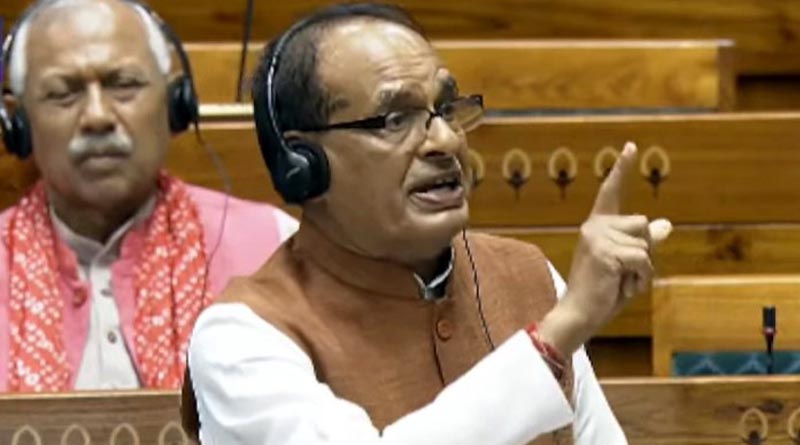

Highlighting the impact of the Agriculture Infrastructure Fund, Chouhan said the government has built infrastructure worth over ₹1 lakh crore to support farmers with storage, processing, and mechanisation facilities. These investments include warehouses, cold storages, primary processing centres, and custom hiring centres across the country.
The minister stated that more than 44,000 Custom Hiring Centres, 17,000 warehouses, and nearly 3,000 cold storages have been established. These facilities help farmers store produce safely, reduce losses, and sell crops at better prices instead of distress sales immediately after harvest.
According to the government, crop losses have reduced by 5 to 15 per cent due to improved infrastructure. These projects have also generated employment and strengthened the rural economy.
MSP and Pulses Mission Providing Income Security
The minister emphasised that MSP reforms and procurement guarantees have strengthened farmer confidence. He said MSP is now fixed at least 50 per cent above production costs, ensuring farmers receive fair returns.
He also announced 100 per cent procurement of key pulses such as tur, masoor, and urad. Government agencies including NAFED and NCCF have been authorised to purchase pulses directly from farmers, ensuring assured markets and timely payments.
Under the Self-Reliance in Pulses Mission, farmers receive improved seeds, financial assistance, and support for setting up dal mills. The mission aims to reduce dependence on imports and make India self-reliant in pulses production by 2030–31.
India’s pulses production has already reached record levels, reflecting the success of policy interventions and scientific farming practices.
Crop Diversification and Sustainable Farming Initiatives
The government is promoting crop diversification to improve soil health, reduce water consumption, and increase farmer income. Farmers are being encouraged to cultivate pulses, oilseeds, maize, and coarse grains alongside traditional crops.
Financial incentives and training programs are supporting farmers in adopting modern farming techniques. Direct Seeded Rice (DSR) and improved crop varieties are also helping conserve water and improve yields.
Chouhan noted that initiatives such as PM-KUSUM are helping farmers generate solar energy, turning them from food providers into energy providers and strengthening rural sustainability.
Solution-Oriented Approach to Crop Residue Management
Addressing concerns about stubble burning, the minister said the government is focusing on solutions rather than blaming farmers. Under the Crop Residue Management scheme, subsidies are provided for machinery and infrastructure to manage crop residue efficiently.
More than 3.5 lakh machines have been distributed in states such as Punjab, Haryana, Uttar Pradesh, and Madhya Pradesh. The government is also promoting the use of crop residue in biomass energy, fuel production, and industrial applications.
These measures are helping reduce pollution, improve soil quality, and create additional income opportunities for farmers.
National Agricultural Transformation Underway
The minister said India has achieved self-sufficiency in rice and wheat production and is now focusing on sustainable growth, balanced nutrition, and energy security.
Government schemes combining infrastructure, procurement support, energy initiatives, and modern farming practices are helping farmers improve productivity and income.
He emphasised that these initiatives are transforming farmers from “annadata” (food providers) into “urjadata” (energy providers), strengthening India’s agricultural economy and supporting the vision of a self-reliant nation.