
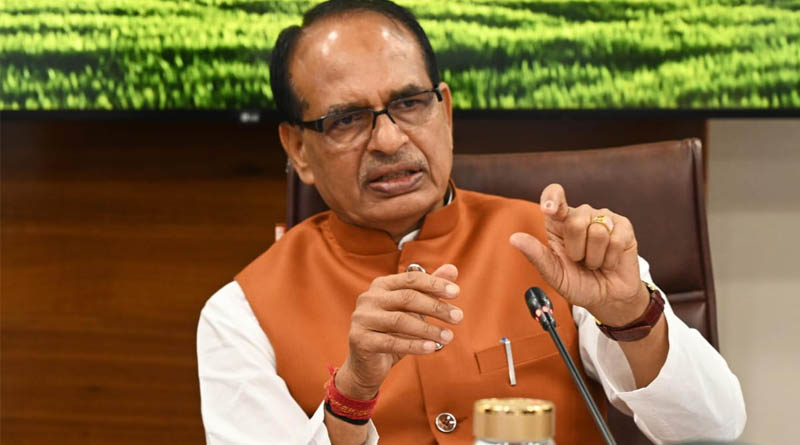
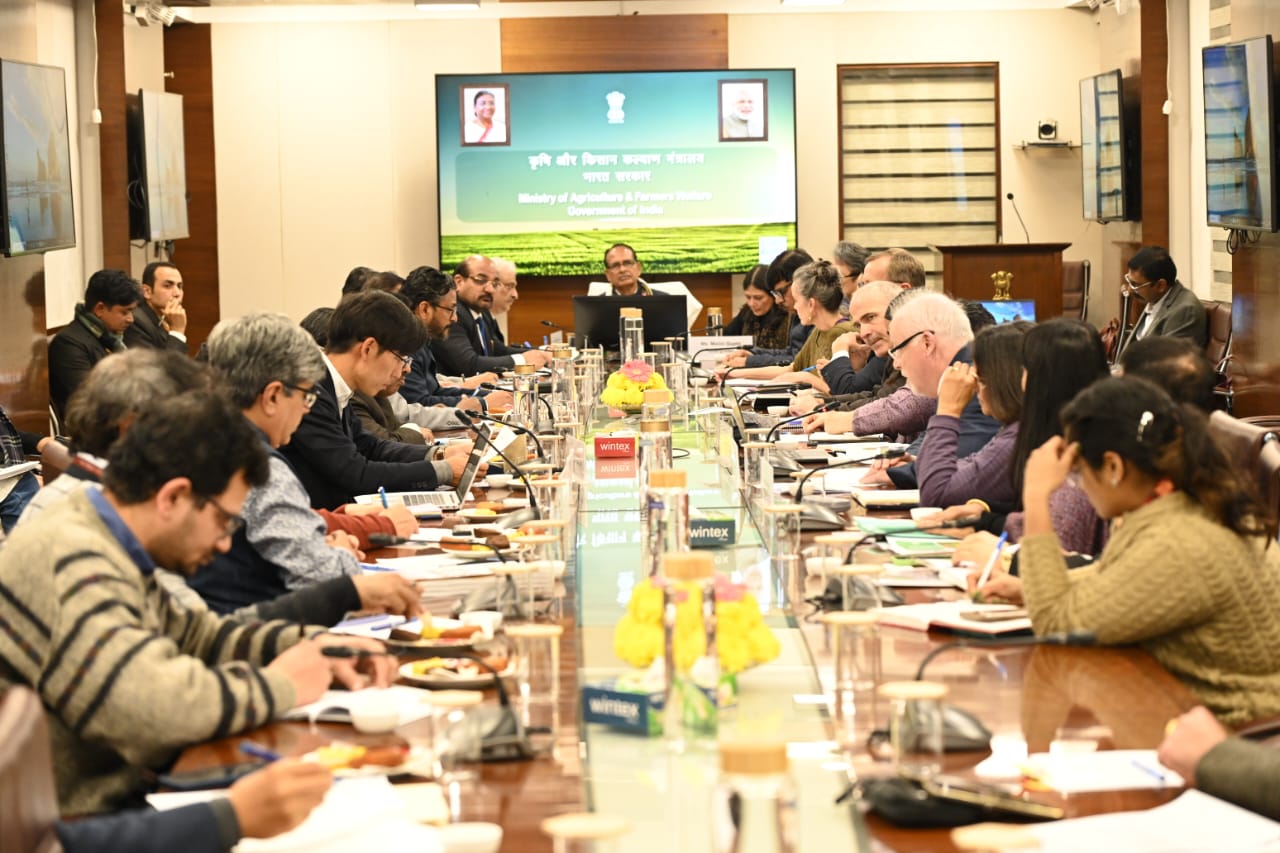

Welcoming the international delegates, Shri Chouhan underlined India’s remarkable agricultural journey over the decades. He noted that the country has transformed itself from a food-deficit nation into one of the world’s leading producers and exporters of key agricultural commodities, ensuring food security for its population of over 1.4 billion.
The Minister emphasized that India has now moved beyond the challenge of food availability and is increasingly focused on nutritional security, sustainable farming practices, and improving the income and quality of life of farmers. He acknowledged the constructive role played by international organizations in supporting India’s agricultural development through knowledge-sharing, technical cooperation, and financial assistance.
Sharing Best Practices, Learning from the World
Shri Chouhan stated that India is well-positioned to share its experiences and best practices with other countries, particularly in areas such as large-scale food security programs, digital initiatives in agriculture, and inclusive policy frameworks. At the same time, he stressed the importance of learning from global innovations and successful models adopted in other regions.
According to the Minister, mutual learning and collaboration can help address common global challenges such as climate change, market volatility, and resource constraints, while ensuring sustainable growth in agriculture and allied sectors.
Key Focus Areas for Collaboration
Representatives from the participating international organizations highlighted several priority areas for enhanced collaboration with India. These included promoting inclusive agriculture, improving market access for small and marginal farmers, and strengthening farmer producer organizations.
A strong emphasis was placed on empowering youth and women in agriculture, encouraging private sector participation, and facilitating greater investment in the rural economy. The discussions also stressed the need to integrate technology and innovation across the agricultural value chain.
Technology, Climate Resilience and Sustainability
Technology-driven solutions such as digital agriculture platforms, data-based decision-making tools, and modern post-harvest infrastructure were identified as critical enablers for improving productivity and reducing losses. The importance of enhanced research and development (R&D) to address emerging challenges was also underlined.
The participants highlighted the growing need to promote climate-resilient crops, sustainable natural resource management, and environmentally responsible farming practices in the face of climate change. Strengthening resilience, they noted, would be essential to safeguard farmers’ incomes and food systems in the long term.
Government Welcomes Global Support
Thanking the representatives for their valuable insights, Shri Chouhan said the suggestions would play an important role in strengthening long-term planning and policy formulation in India’s agriculture sector. He reiterated the government’s commitment to working closely with international partners to realise shared goals of sustainable development and farmer-centric growth.
The meeting was attended by the Secretary of the Department of Agriculture and Farmers Welfare (DA&FW), the Secretary of the Department of Agricultural Research and Education (DARE), Additional Secretaries, and other senior officials, reflecting the government’s integrated approach to agricultural development.