

The proposed Bill seeks to mandate cost-reflective tariffs while empowering regulatory Commissions to act suo-motu if utilities delay tariff filings. State Governments may continue providing subsidies for domestic and agricultural consumers, ensuring financial discipline without burdening priority groups. The reforms aim to enhance competitiveness for Indian industries, including MSMEs, by reducing distortions caused by cross-subsidies and surcharges.
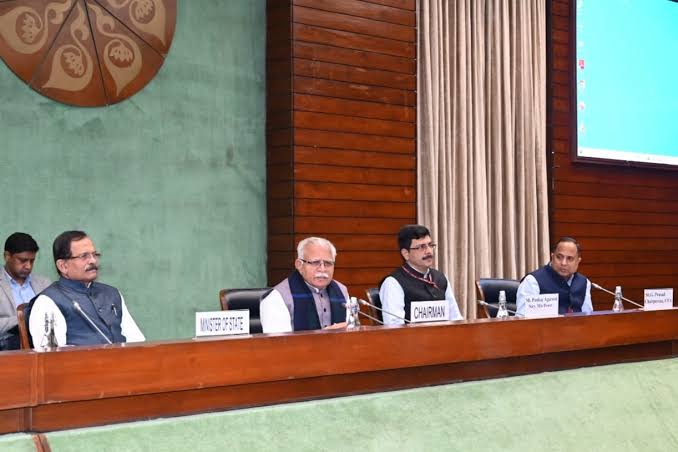
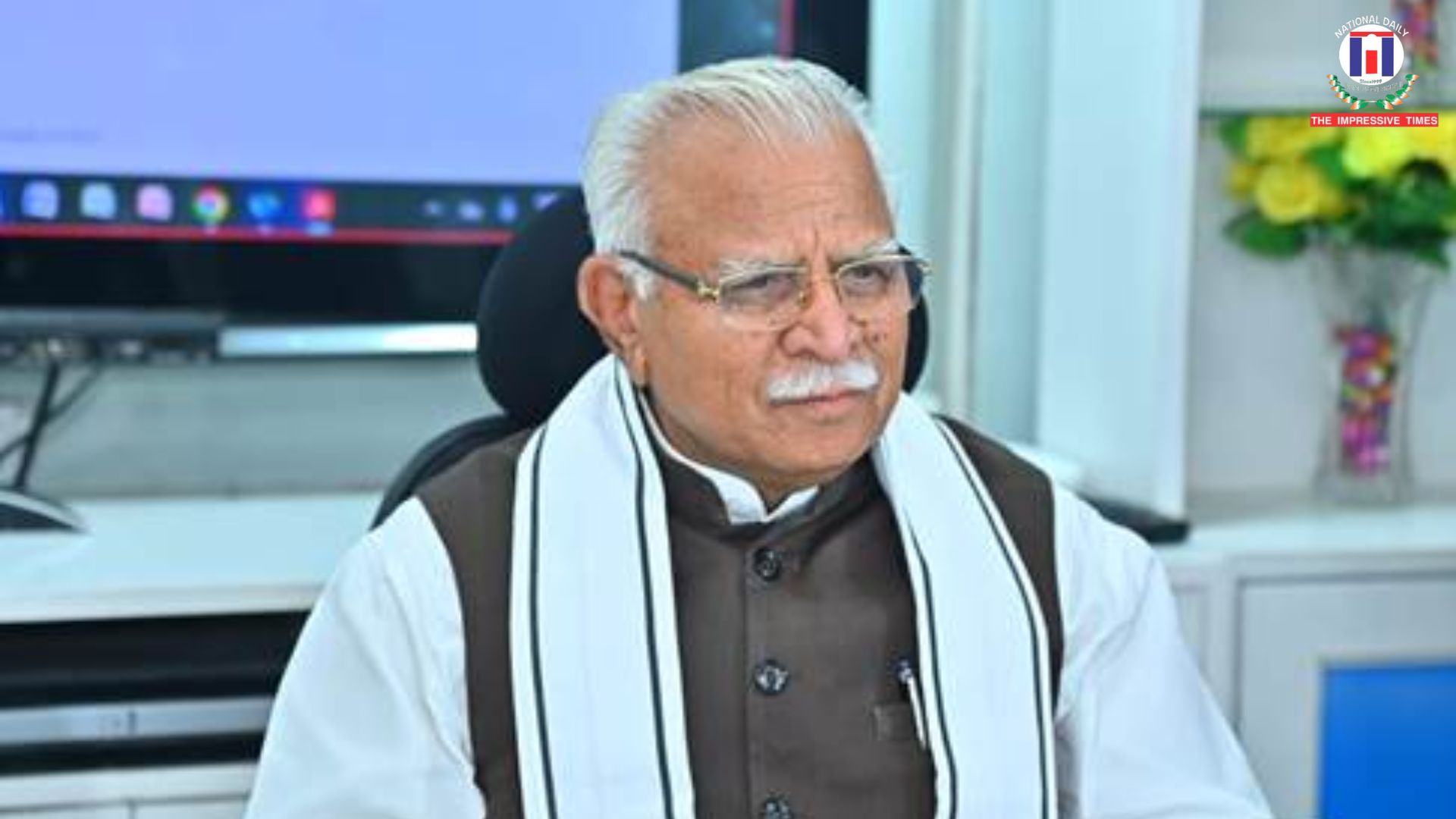
Key provisions also include allowing State Electricity Regulatory Commissions, in consultation with State Governments, to exempt large consumers from DISCOM obligations. Large consumers can procure power competitively while the fixed cost burden on DISCOMs is reduced, ultimately benefiting smaller consumers. Shri Manohar Lal stressed that these measures will not adversely impact consumer costs or employee welfare.
The Bill promotes renewable energy adoption by proposing minimum obligations for non-fossil electricity use and enabling market-based capacity addition. It also introduces operational reforms such as Right-of-Way provisions and distribution network sharing to improve efficiency and reduce duplication. The expansion of APTEL is planned to handle increasing case loads effectively.
To foster cooperative federalism, the Bill proposes establishing an Electricity Council and assures fair compensation to farmers for land used in laying transmission lines, with guidelines linking compensation to market rates. Shri Manohar Lal encouraged MPs to provide suggestions and commended the Ministry of Power’s initiatives toward building a resilient, future-ready power sector.
Members of Parliament appreciated the consultation process and expressed support for finalizing and passing the Bill in Parliament to benefit citizens and the industry. The meeting concluded with the Minister thanking participants and reinforcing the government’s commitment to affordable, sustainable, and efficient electricity for all.