
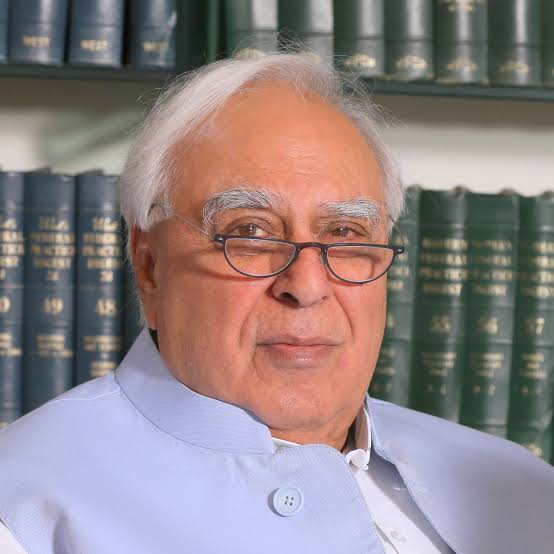
New Delhi: In a sharp political statement, Rajya Sabha MP Kapil Sibal has alleged that the Special Intensive Revision (SIR) of electoral rolls in Bihar is an attempt to bring back the National Register of Citizens (NRC) through the backdoor.
He made these remarks on Saturday, July 12, while speaking to ANI about the ongoing revision exercise approved by the Election Commission of India (ECI) and greenlit by the Supreme Court.
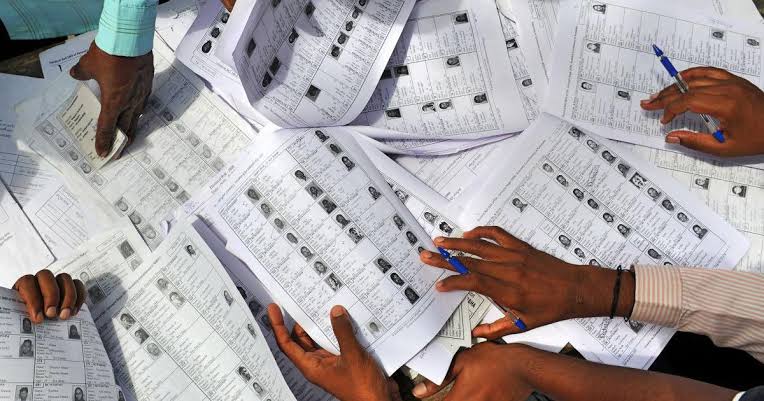

Calling the SIR process a “pilot project,” Sibal accused the central government of using administrative processes to impose a majoritarian agenda. “They want to impose authoritarian rule in India,” he said, claiming this was another method to exclude certain groups from the electoral system.
“In Maharashtra, they increased the number of votes. Here in Bihar, they’re reducing them,” Sibal said. “There is a partnership between the ECI and the BJP,” he alleged, suggesting that the process may be politically motivated to tilt future election outcomes.
Supreme Court Allows SIR in Bihar
On Thursday, the Supreme Court permitted the ECI to continue the SIR exercise in poll-bound Bihar. A bench comprising Justices Sudhanshu Dhulia and Joymalya Bagchi refrained from staying the exercise but made some key observations.
The Court directed the ECI to consider accepting Aadhaar, Ration Card, and Voter ID cards as valid identity proofs for electoral registration. However, it left the final decision to the ECI’s discretion, with a note that any rejection of documents must be explained with sufficient reasoning.
Bihar Elections 2025: High Stakes
The timing of this electoral revision is crucial. Bihar is set to go to polls in November 2025. The SIR exercise is taking place under a tight timeline, which has raised concerns among several opposition leaders about the integrity and transparency of the process.
Sibal’s comments come at a politically sensitive time. The accusations about voter manipulation ahead of a state election are likely to stoke further controversy between the ruling NDA and the opposition INDIA bloc.
Concerns Around Voter Exclusion
Activists and opposition leaders have long expressed fear that the government might introduce NRC-like policies through electoral roll updates. The NRC exercise in Assam, which resulted in the exclusion of nearly 1.9 million people in 2019, is frequently cited as a warning sign.
While the government has denied any move toward a national NRC, repeated administrative exercises like the SIR in Bihar have triggered alarm among vulnerable communities, especially Muslims and Dalits.
Kapil Sibal’s Political Context
Kapil Sibal, a former Congress leader and senior advocate, is known for his outspoken criticism of the BJP-led central government. Now an independent Rajya Sabha MP supported by opposition parties, his statements often reflect broader discontent among secular and regional forces.
Sibal’s assertion of an “ECI-BJP partnership” is not new. Opposition leaders have repeatedly questioned the neutrality of the Election Commission, especially in states where close contests are expected.
Election Commission Under Watch
The Supreme Court’s reminder to the ECI — to be transparent in document acceptance — shows the judiciary’s effort to maintain balance. The Court’s order emphasizes justice, stating:
“We are of the prima facie opinion that the Election Commission should also include documents like Aadhaar, Ration Card, and Voter ID… If the ECI chooses not to accept any document, it must provide a reason.”
This signals that the judiciary is keeping a close watch, especially with elections around the corner.
Key Points to Note
- SIR exercise in Bihar is ongoing amid Supreme Court scrutiny.
- Kapil Sibal calls the revision an ‘NRC in disguise’.
- He alleges ECI and BJP are working in partnership to alter voter demographics.
- Supreme Court has allowed the process but asked for document transparency.
- Bihar is heading to elections in November 2025 under a politically charged climate.
What Lies Ahead
As Bihar heads into election mode, the SIR process and associated controversies are likely to dominate headlines. Whether or not the ECI can reassure the public of a free and fair electoral roll revision may influence the credibility of the upcoming elections.
For now, Sibal’s allegations have reignited debate on voter rights, identity, and the future of democracy in India. As the process unfolds, all eyes remain on the Election Commission of India and the steps it takes to uphold public trust.