Security agencies have cited Wangchuk’s references to youth protests in Nepal and Bangladesh as evidence of incitement, though Angmo insists his speeches have been misinterpreted. Leh remains under curfew, though the situation is reportedly calm.
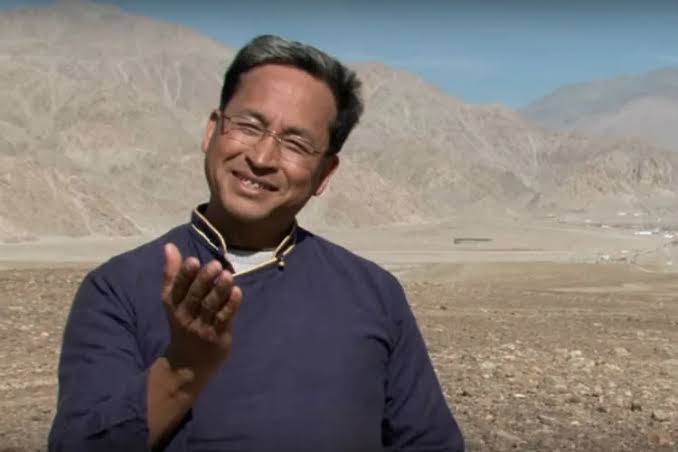 Gitanjali Angmo Defends Wangchuk
Angmo has consistently defended her husband, emphasizing his professional engagements. She shared a part of Wangchuk’s speech praising PM Modi during a climate conference in Pakistan organized by the UN and Dawn media group in February 2025. She argued that these international interactions should not be construed as anti-national activities.
On Sunday, she also referenced Wangchuk’s involvement in the UN event, questioning how India maintains cricket ties with Pakistan while he faced scrutiny. She denied any financial wrongdoing by her husband and criticized misinterpretations of his actions.
Timeline of Photos Shared
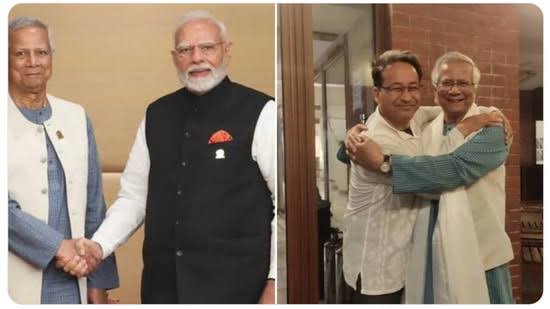
The image of Wangchuk with Yunus dates back to 2020, captured at the British High Commission in Dhaka. At that time, Sheikh Hasina was still in power in Bangladesh. The photo of PM Modi with Yunus is from April 2025, during a summit in Bangkok, Thailand. India’s foreign minister S. Jaishankar had raised concerns about radicalization and attacks on minorities during that meeting, highlighting the sensitive nature of Delhi-Dhaka relations.
Angmo’s post underscores her argument that Wangchuk’s engagements were legitimate and professional. She questioned the inconsistency in public perception when comparing Wangchuk’s international interactions with those of the Prime Minister.
Context of Ladakh Protests
The Ladakh statehood protest escalated last week, resulting in four fatalities and several injuries. Wangchuk, a prominent educationist and activist, has been detained under the National Security Act for up to 12 months without trial. Authorities have maintained a curfew in Leh to prevent further unrest, but local reports indicate the city remains tense yet peaceful.
Angmo’s defense highlights ongoing debates about freedom of expression, protest, and national security in the region, reflecting the delicate balance between activism and law enforcement in India’s border territories.