
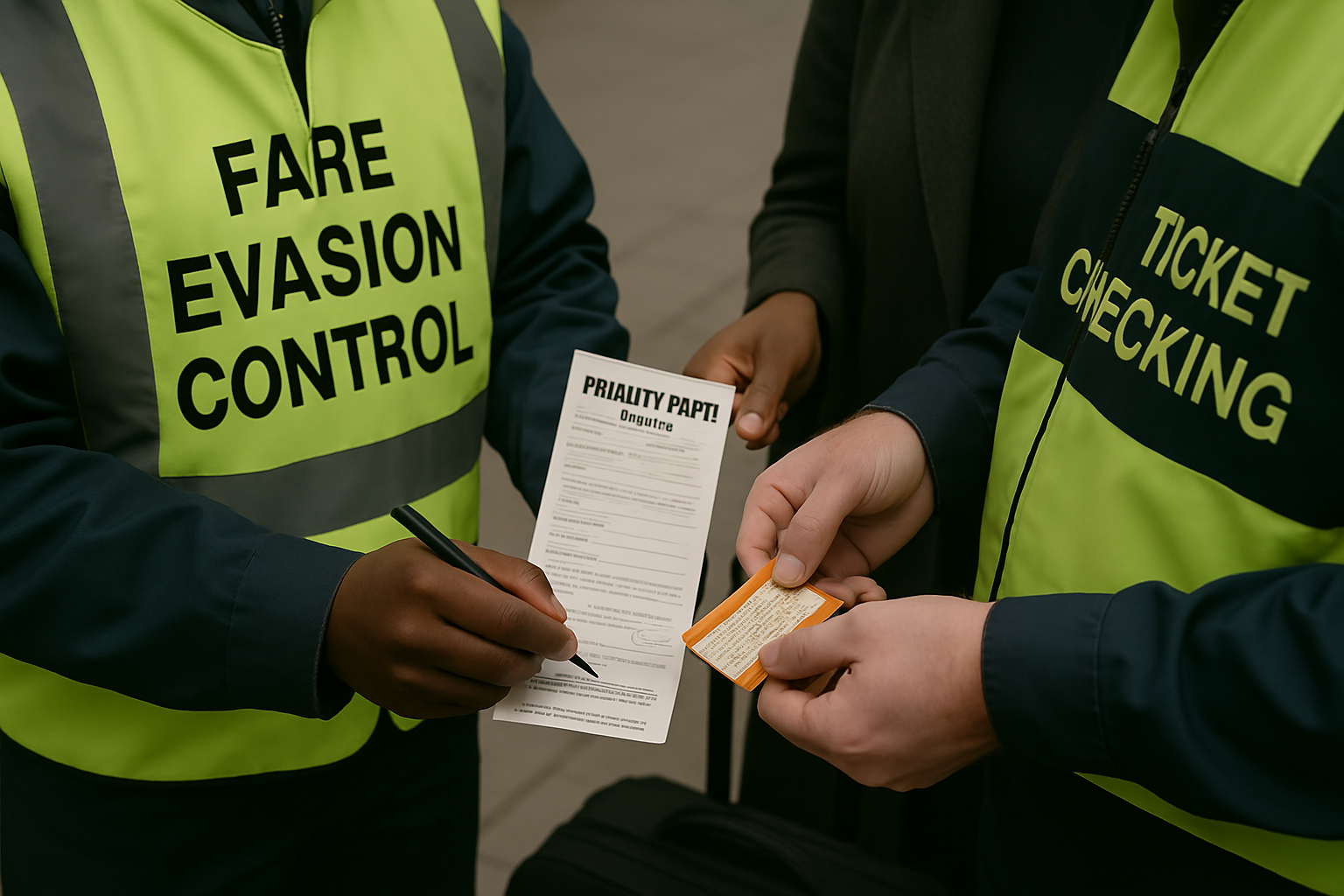
Massive Crackdown on Fare Evaders
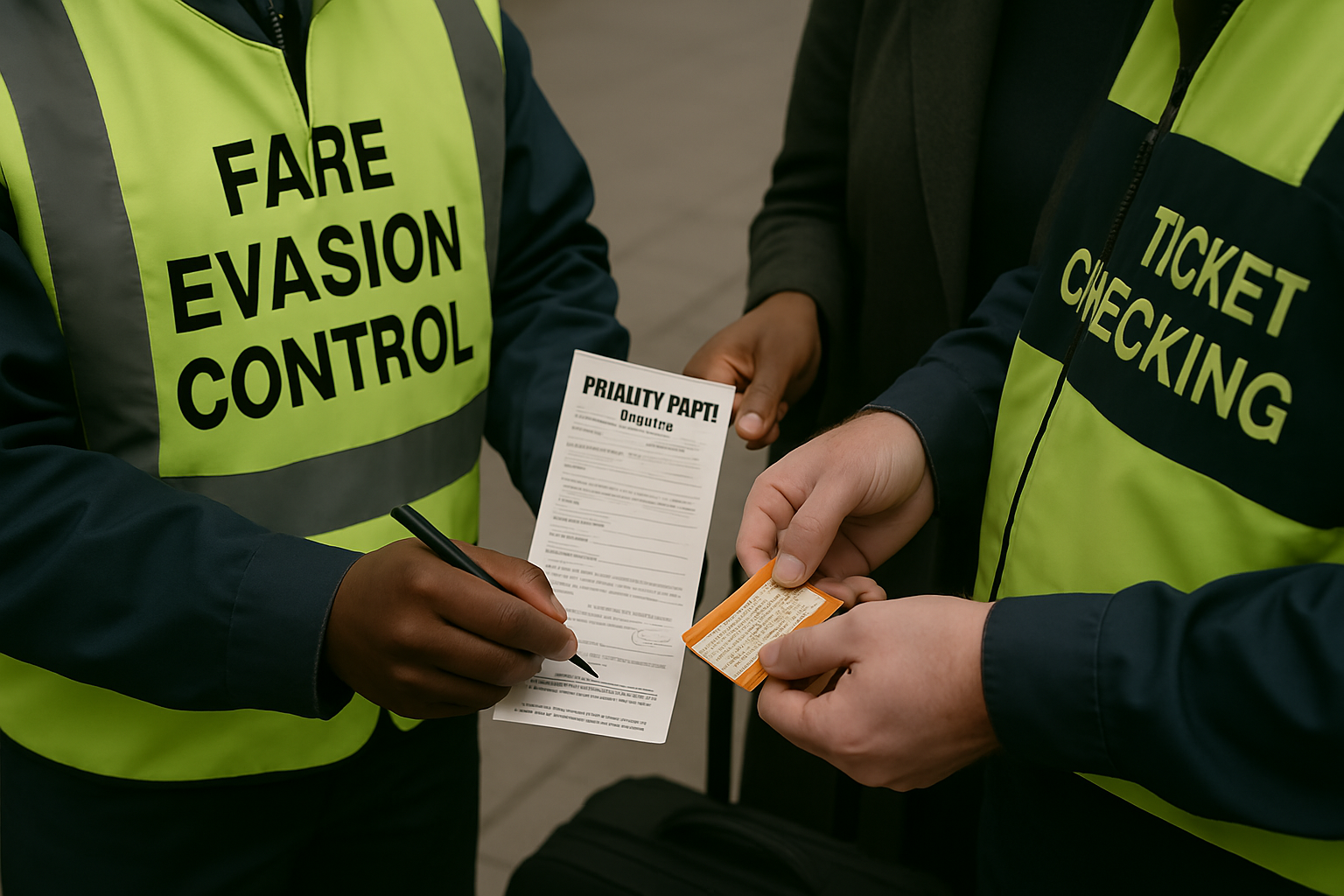

How the Record Was Set
Sonepur Divisional Railway Manager (DRM) Vivek Bhushan Sood shared that the effort involved meticulous coordination between ticket checking squads, RPF personnel, and station officials. “This is a significant milestone and showcases the collective will and efficiency of our teams on the ground,” he said.
The operation focused primarily on mail and express trains — particularly those with reserved coaches, which often witness cases of unauthorised occupancy. According to officials, the most common offenders were short-distance travellers who boarded long-distance trains without tickets, hoping to escape checking.
Strategic Action and Surprise Checks
The drive was not announced in advance, making it a surprise operation. This strategy, officials say, was vital to catching repeat offenders who often avoid detection during routine checks. Multiple teams were deployed simultaneously at different key points, covering all major trains and junctions.
Senior Divisional Commercial Manager Raushan Kumar confirmed that more such surprise operations will be carried out regularly. “Fare evasion leads to huge revenue losses for the railways. We are committed to minimizing such practices through strict enforcement and public awareness,” he said.
Targeting Awareness in Rural Areas
The Sonepur division also aims to address the issue from its roots. Officials believe that many offenders, particularly from rural areas, may not be fully aware of the legal consequences of travelling without tickets. In response, the railways has launched awareness campaigns at smaller stations, using posters, audio messages, and announcements in local languages.
“Our goal is not just to penalize, but to educate,” Raushan Kumar added. “We want people to know that travelling ticketless is not just unethical, but can invite fines, criminal charges, and even arrest in serious cases.”
Why It Matters
Ticketless travel is a persistent issue in Indian Railways, causing annual revenue losses in the hundreds of crores. It also affects the comfort and safety of genuine ticket holders, particularly in reserved compartments. By enforcing rules strictly, railways aim to boost revenue and passenger discipline.
This record-setting effort sends a strong message to habitual defaulters. It also supports the government’s broader vision of digital governance and accountability within public services. With digital ticketing on the rise, officials believe such crackdowns will become easier and more accurate in future.
What’s Next?
Officials at the Sonepur division confirmed that this is just the beginning. In the coming weeks, passengers can expect more frequent and unpredictable checks across trains and stations. The railways is also exploring use of handheld ticketing devices, mobile surveillance units, and AI-based tracking tools to detect fare evasion patterns.
Passengers are strongly advised to travel with proper tickets and avoid last-minute boarding without valid fare. With higher penalties and more eyes on the tracks, fare evasion may soon become a thing of the past in the region.