
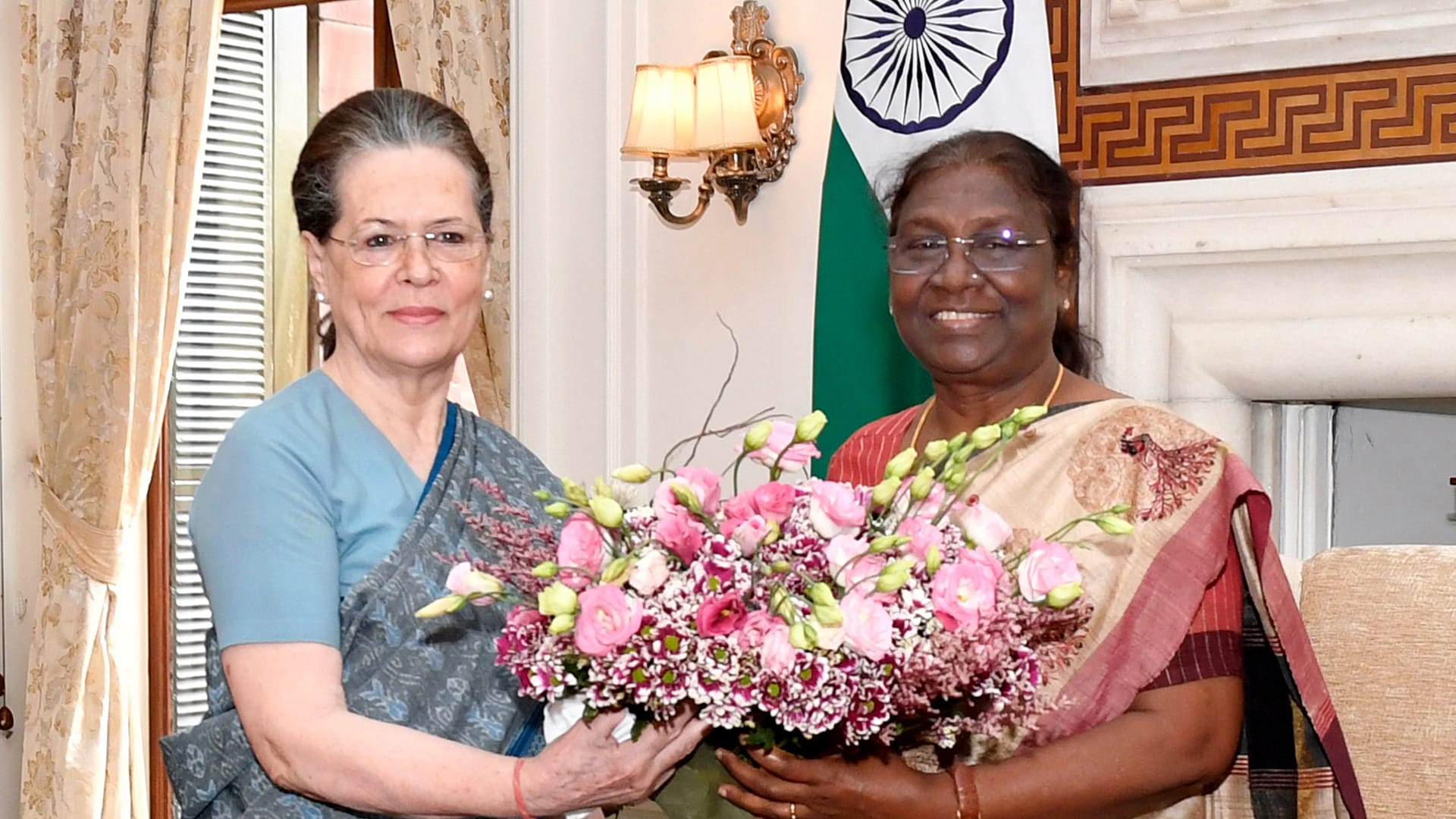
Congress leader Sonia Gandhi sparked controversy with her comments about President Droupadi Murmu’s speech before the Budget session. Gandhi said the President looked very tired towards the end of her address and was struggling to speak clearly.
She told reporters, “The President was getting very tired by the end. She could hardly speak, poor thing.” While some saw this as an expression of empathy, others perceived it as disrespect towards India’s first tribal woman President.

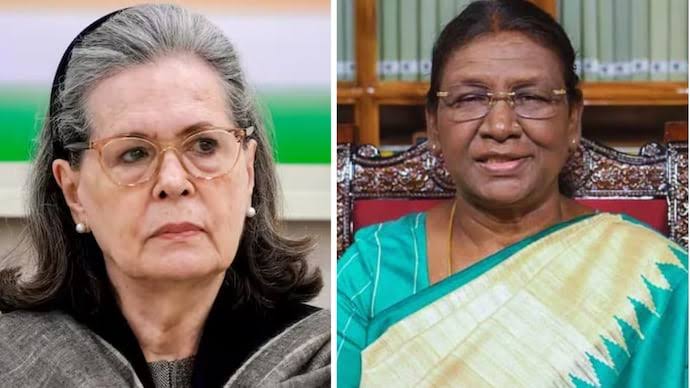
BJP Strongly Condemns the Comments
Leaders from the Bharatiya Janata Party (BJP) strongly criticized Gandhi’s remarks. BJP President J.P. Nadda called the comment “elitist, anti-poor, and anti-tribal” and demanded an unconditional apology.
Parliamentary Affairs Minister Kiren Rijiju accused the Congress party of looking down on a tribal President. Union Minister Hardeep Singh Puri also joined BJP leaders in condemning the remarks, highlighting the importance of respecting the office and the President’s status.
Importance of President Droupadi Murmu’s Role
Droupadi Murmu is the first tribal woman to become the President of India, making her a historic figure and symbol of tribal representation. Her speeches and public appearances carry great significance for many communities.
The President’s address before the Budget session is a crucial event that outlines the government’s vision and priorities, and is expected to be treated with respect and dignity.
Mixed Reactions to Gandhi’s Comment
Gandhi’s comment received mixed reactions across political and social platforms. Some viewed it as a compassionate concern about the President’s health during a long speech. Others considered it inappropriate and disrespectful.
Supporters of Sonia Gandhi said she was simply stating a fact with empathy and argued that political leaders should be free to express concern for anyone’s well-being.
Political Sensitivity and Broader Impact
The incident exposed deeper political tensions between the Congress and BJP. It also highlighted the sensitivity surrounding minority representation and the language used in political discourse.
Many political analysts say such remarks can impact public perception and reflect the challenges faced by women and tribal leaders in high offices.
Public Discussion and Social Media Response
The comment sparked wide discussion on social media and public forums. People debated the need for respectful language when speaking about national leaders, especially the President.
Others discussed the physical demands of public speeches and how leaders, especially senior figures, can experience fatigue during long sessions.
Conclusion: A Debate on Respect and Empathy
Sonia Gandhi’s remarks about President Murmu’s speech have sparked a significant political debate about respect, tribal representation, and political language. The strong BJP demand for an apology shows the sensitivity of such remarks in India’s political scene.
This episode highlights the balance between showing empathy and maintaining dignity in political communication, especially when it involves respected leaders like the President of India.