As of 31 October 2025, the central share of PKVY funds released and the area covered in these four states collectively demonstrate significant uptake of organic practices, with Kerala recording the largest area under the scheme among them.
 Funds and Area Coverage Southern State Snapshot
PKVY allocations and area coverage (central share, to 31 Oct 2025) for the four states are:
- Tamil Nadu: Rs. 6,236.35 lakh released; 32,940 hectares covered.
- Karnataka: Rs. 10,049.36 lakh released; 49,100 hectares covered.
- Kerala: Rs. 6,732.97 lakh released; 94,480 hectares covered.
- Telangana: Rs. 3,576.78 lakh released; 8,100 hectares covered.
Combined, the four states account for more than 1.84 lakh hectares enrolled under PKVY since the scheme’s inception evidence of the regional traction for organic cultivation in the south.
Beneficiaries and State-wise Utilisation in 2024–25
PKVY operates on a three-year support cycle for beneficiary farmers. In 2024–25, implementation varied across states. Karnataka reported 11,630 beneficiary farmers, while Tamil Nadu showed higher uptake with 28,983 farmers receiving benefits under PKVY.
Kerala and Telangana, despite allocations, recorded no expenditure in 2024–25, and consequently there were no beneficiaries from those states during that year. The disparity highlights implementation and utilisation differences that state administrations need to address to ensure sustained farmer participation.
Recent Central Allocations (2022–25 & 2025–26)
Central allocations (Rs. in lakhs) over the last three fiscal years and the current year show shifting priorities and support levels across states:
- Tamil Nadu: 2022–23: 704.87 | 2023–24: 1,564.00 | 2024–25: 1,620.00 | 2025–26: 1,556.00
- Karnataka: 2022–23: 1,045.61 | 2023–24: 2,803.00 | 2024–25: 1,950.00 | 2025–26: 1,769.00
- Kerala: 2022–23: 1,712.07 | 2023–24: 1,047.00 | 2024–25: 782.60 | 2025–26: 1,199.00
- Telangana: 2022–23: 30.75 | 2023–24: 568.00 | 2024–25: 424.60 | 2025–26: 1,989.00
These figures indicate renewed allocations for some states in 2025–26, notably Telangana, which received a substantially higher amount compared with previous years—suggesting a policy push to expand activity in the state.
Why PKVY Matters and Implementation Challenges
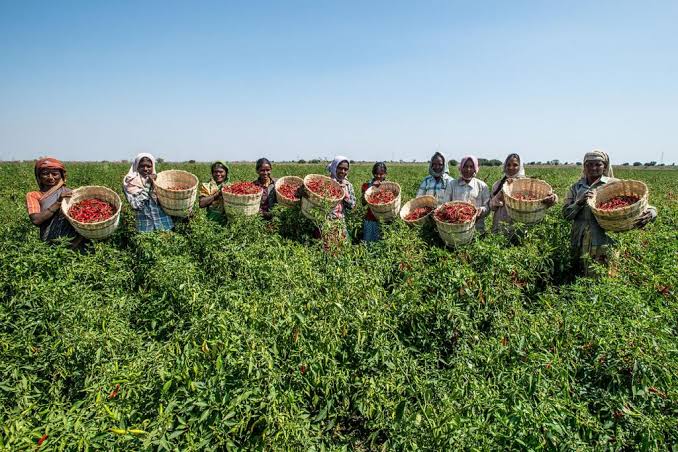
PKVY incentivises cluster-based organic farming, encourages local input use, and helps farmers access premium markets for organic produce. The DBT component strengthens transparency and ensures timely support for farm inputs and marketing efforts.
However, the uneven expenditure and beneficiary numbers across states underline implementation challenges such as farmer awareness, cluster formation delays, certification processes, and supply-chain linkages for marketing organic produce. Kerala and Telangana’s zero expenditure in 2024–25 points to administrative or operational bottlenecks that require state-level remediation.
Way Forward
To capitalise on PKVY’s potential, state agencies must accelerate cluster formation, streamline certification and strengthen marketing linkages. Encouragingly, recent central allocations suggest renewed focus and resource availability, which, if efficiently utilised, could expand organic acreage and farmer incomes in the coming years.