 Weather Conditions Behind Sudden AQI Spike
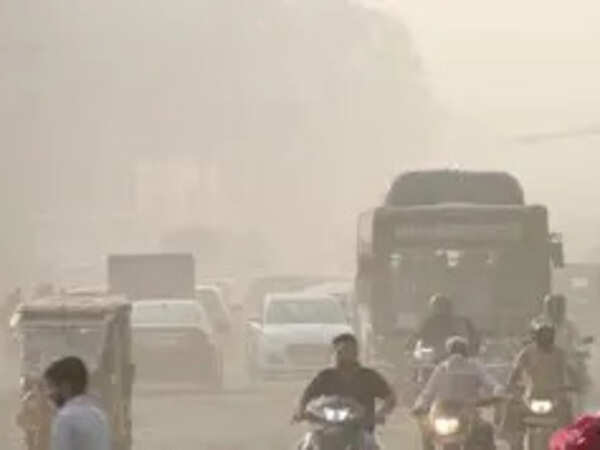
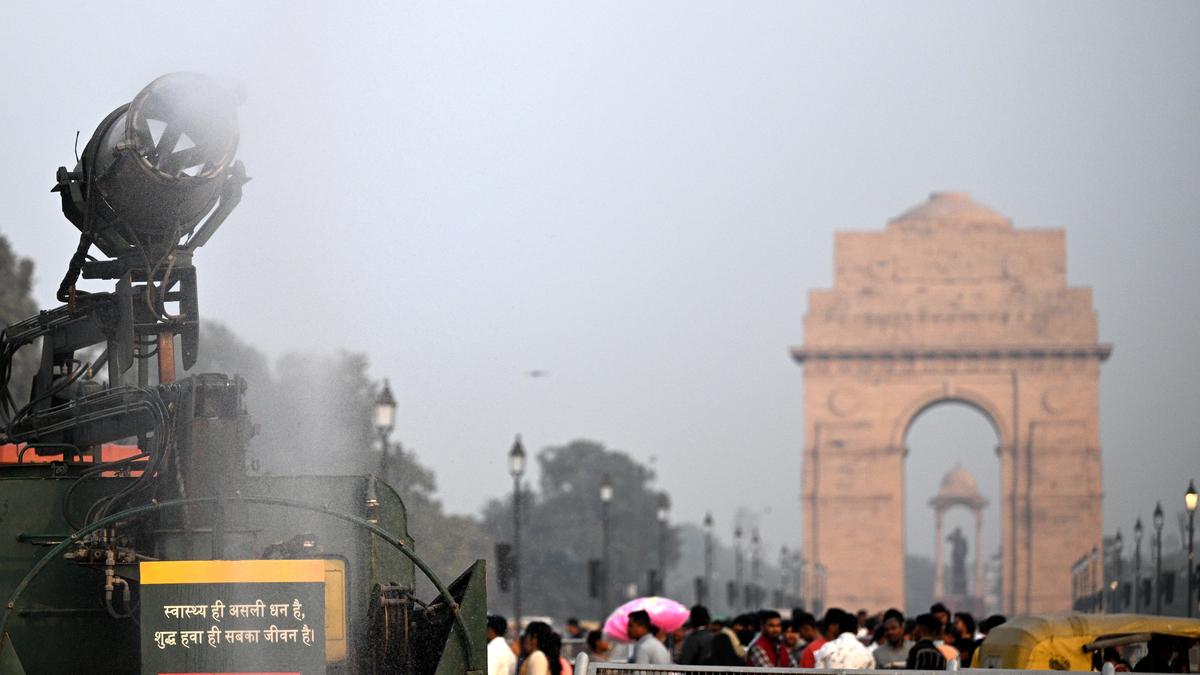
Officials clarified that the worsening air quality is largely the result of adverse meteorological factors. A feeble western disturbance approaching north-west India has significantly reduced wind speeds, at times leading to calm conditions, while a shift in wind direction from westerly to easterly and increased moisture levels have further aggravated pollution.
Such winter conditions promote the formation of smog and fog, trapping pollutants close to the surface and severely limiting dispersion. These factors combined to cause a sudden and steep decline in air quality across the National Capital Region.
Construction and Mining Activities Suspended
Under Stage-III GRAP, CAQM has imposed a complete ban on several construction and demolition activities across NCR. These include earthwork, drilling, piling, demolition, brick masonry, road construction, concrete batching plant operations, and the movement of construction materials on unpaved roads.
Stone crushers and all mining and allied activities have been ordered to shut down immediately. However, essential infrastructure projects such as metro rail services, railways, airports, hospitals, national security projects, sanitation works, and linear public utilities have been exempted, subject to strict dust-control compliance.
Vehicle Restrictions Tightened Across NCR
Transport curbs form a key component of Stage-III measures. BS-III petrol and BS-IV diesel light motor vehicles have been barred from plying in Delhi and major NCR districts including Gurugram, Faridabad, Ghaziabad and Gautam Buddh Nagar. An exception has been made for vehicles specially adapted for persons with disabilities.
Delhi-registered diesel medium goods vehicles meeting BS-IV standards or below have also been restricted, except those carrying essential commodities. Additionally, BS-IV diesel light commercial vehicles registered outside Delhi will not be allowed entry into the capital unless providing essential services.
Hybrid Classes and Work-From-Home Advisory
To minimise exposure for children, authorities have directed schools in Delhi and key NCR districts to conduct classes up to Class V in a hybrid mode, combining physical and online learning where feasible. Parents have been given the option to choose online classes for their wards.
State governments and the Delhi administration have also been advised to consider allowing offices to operate with 50 percent staff strength while enabling the remaining workforce to work from home. The Central Government may issue similar advisories for its offices.
Public Advisory and Ongoing Monitoring
CAQM has urged citizens to cooperate fully with GRAP measures by opting for public transport, walking or cycling for short distances, avoiding coal or wood for heating, and reducing unnecessary travel. Residents have also been advised to prevent open burning and adopt cleaner alternatives.
The Sub-Committee will continue to closely monitor air quality trends and review the situation regularly based on forecasts from the India Meteorological Department (IMD) and the Indian Institute of Tropical Meteorology (IITM).