
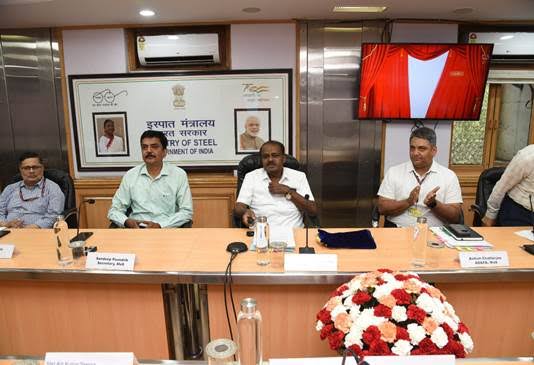
The Ministry of Steel has taken a giant digital leap forward. With its newly launched website, the ministry is setting new standards in public transparency and service delivery. More importantly, it is strengthening citizen participation through inclusive and user-friendly digital governance.

The redesigned Ministry of Steel website is not just visually appealing—it’s built to serve. With a simplified layout and quick access features, it brings crucial information to citizens, businesses, and stakeholders within seconds.
This new design improves service delivery and ensures users can interact with the ministry efficiently. Fast-loading pages, intuitive menus, and interactive feedback tools are all part of the user experience.
Transparency and Efficiency Go Hand-in-Hand
Transparency is a core value of good governance. The Ministry has ensured that the new platform reflects this priority. Real-time updates, policy documents, and performance data are now accessible to all.
This level of openness fosters greater public participation and accountability. Citizens can now track progress, provide input, and engage with initiatives in a more structured manner.
Cybersecurity: A Non-Negotiable
Security comes first. The website is equipped with robust cybersecurity measures to protect user data and maintain system integrity. These measures comply with India’s latest digital security protocols, offering a safe environment for public interaction.
All data shared or retrieved through the portal is encrypted, regularly audited, and secured against unauthorized access.
Multilingual Access via BHASHINI
One of the most exciting features is the integration with BHASHINI, the National Language Translation Mission. This allows the website to offer content in multiple Indian languages, making it accessible to a diverse population.
This inclusion strategy supports the government’s vision of Digital India—no citizen should be left behind due to language barriers. Whether you speak Hindi, Tamil, Bengali, or Marathi, the platform ensures you are heard and informed.
Measuring Real Impact
Words and interfaces are not enough—the Ministry is actively monitoring the website’s performance. Through website traffic analysis, feedback forms, and user engagement tools, it evaluates the platform’s effectiveness in real time.
This data-driven approach helps in identifying gaps, user pain points, and areas for improvement.
Social Media Campaigns Drive Awareness
Launching a great website is only half the job. Getting people to use it is equally important. That’s why the Ministry is running targeted awareness campaigns across social media platforms.
These campaigns educate the public about the website’s features, navigation tips, and how to engage with government services online.
Aligning with Digital India and Viksit Bharat 2047
The new website is more than a digital upgrade—it’s a step towards Viksit Bharat by 2047. As India transitions to a fully digital ecosystem, ministries must lead by example. The Ministry of Steel is doing just that.
By combining transparency, inclusion, and technology, it reinforces the foundation of responsive governance.
Citizens at the Core of Digital Governance
The initiative also signals a cultural shift. Ministries are now viewing citizens as active participants rather than passive recipients. With open access and real-time engagement, people are becoming part of the governance process.
This empowerment model encourages civic responsibility and builds trust between the public and government institutions.
Looking Ahead
As the Ministry of Steel continues to refine its digital presence, it sets a benchmark for other departments. More features like chatbot assistance, mobile responsiveness, and AI-powered FAQs are expected in future versions.
The goal is clear: make governance accessible, transparent, and citizen-friendly.
Key Takeaways
- The new Ministry of Steel website improves service delivery and public participation.
- Features include enhanced cybersecurity, user-friendly interface, and real-time updates.
- Multilingual access via BHASHINI breaks language barriers.
- Impact is monitored through website traffic and user engagement.
- Outreach campaigns ensure public awareness and usability.
Conclusion
The Ministry of Steel has turned its website into a gateway of opportunity. By embracing digital tools and inclusive practices, it not only delivers better services but also invites the public to co-create India’s future. This is what modern governance should look like—accessible, secure, and responsive.