
Why the suspension was ordered
The decision follows recommendations from the High-Level Committee on Non-Financial Regulatory Reforms (HLC-NFRR). Ministry officials said the suspension balances two objectives: protecting consumers and preventing unfair trade practices, while ensuring sufficient availability of steel for domestic manufacturers and small enterprises that rely on certain grades not widely produced in India.
Enforcement of some standards, the ministry found, could lead to immediate downstream price pressures or create shortages for MSMEs and user industries that depend on imported or niche grades. The temporary suspension is therefore presented as a pragmatic step to avoid disruption while policy options and domestic capacity are further developed.
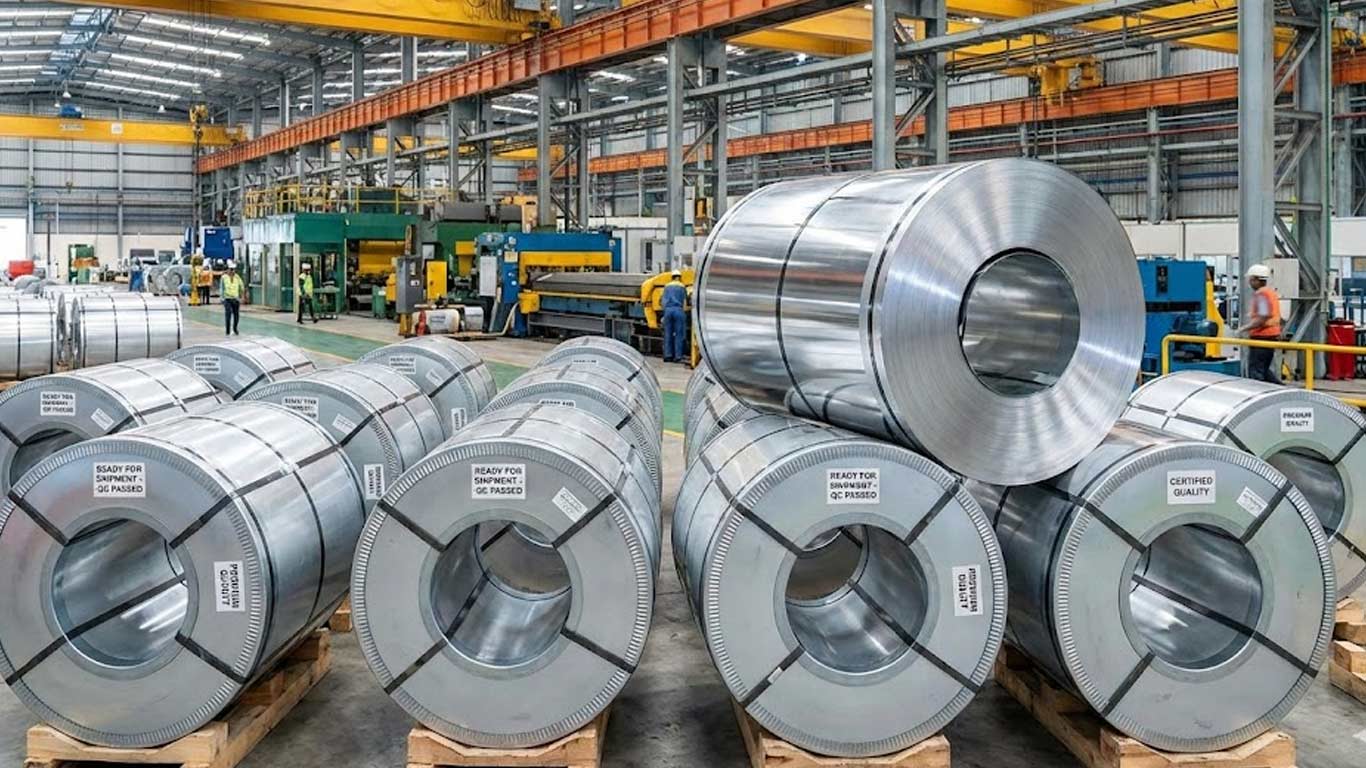

The amendment order categorises the suspended standards into two groups. The first group comprises 42 Indian Standards, predominantly used in engineered products, automobile components and durable goods manufacturing. Enforcement of QCO on these standards is suspended for three years to allow industry adjustment and supply realignment.
The second group involves 13 Indian Standards covering specialty steel grades tied to high-precision, high-performance applications — many of which are relevant to industries covered under the PLI 1.2 initiative. Enforcement for these specialty grades will be suspended for one year, reflecting the government’s intent to fast-track domestic capability while preserving strategic oversight.
Government rationale and safeguards
Officials emphasise that the suspension is not a rollback of quality objectives. Instead, it is a time-bound measure to avoid immediate market disruption while the government pursues parallel measures: strengthening domestic production of specialized grades, supporting small producers, and improving trade and anti-dumping surveillance.
The Ministry reaffirmed its commitment to preventing unfair trade practices. It also signalled active monitoring of market prices and supply chains during the suspension period, with the option to reintroduce enforcement earlier if adequate domestic supply and price stability are secured.
Impact on MSMEs and manufacturing
Manufacturers of engineered goods, automotive components and durables — many of them MSMEs — welcomed the reprieve as it reduces the risk of sudden raw-material shortages that could stall production. The temporary pause allows manufacturers more time to source compliant materials, adapt product specifications, or work with domestic suppliers to meet standards in the medium term.
At the same time, industry associations urged the government to accelerate capacity building for domestic mills and to provide clear timelines and support for upgrading local manufacturing to meet suspended standards going forward.
PLI link and specialty grades
Several of the suspended one-year standards relate to specialty steels covered under the Government’s Production Linked Incentive (PLI) 1.2 scheme. The short suspension window for these grades reflects a policy trade-off: provide temporary supply flexibility while the PLI framework incentivises rapid domestic production of niche alloys and precision-grade steels.
Next steps and monitoring
The Ministry of Steel will work with standard bodies, domestic producers and trade partners to monitor the market and implement measures to ramp up domestic production. Regular reviews are expected during the suspension period; the Ministry retains the authority to reintroduce QCO enforcement earlier than scheduled if conditions stabilise.
Stakeholders have asked for clarity on implementation details, compliance expectations for importers, and fast-track capacity-building programmes. The Ministry has indicated that guidelines and outreach will follow to ensure transparent execution of the amendment order.
What this means for consumers and trade
For end consumers, the suspension aims to prevent sudden price hikes in downstream products by ensuring steady raw-material availability. For trade and compliance authorities, the amendment creates a window to strengthen anti-dumping measures and quality-assurance pathways without abrupt market shocks.
Industry watchers say success will depend on timely scaling of domestic capability, transparent monitoring by the Ministry, and clear communication with manufacturers and importers to avoid misuse of the temporary relaxation.