
 A First-of-Its-Kind Topical Approach
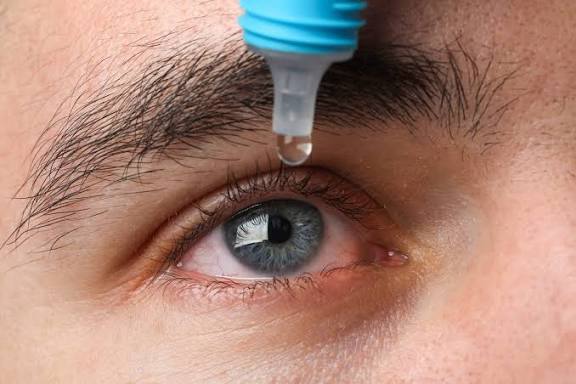
The study represents the first human trial to test mesenchymal stem cells delivered through eye drops rather than injections. While stem cell therapies have previously been explored via invasive ocular procedures, topical administration offers a more patient-friendly option, especially for chronic conditions like dry eye disease.
Conducted as an open-label, single-arm pilot trial, the research enrolled 16 patients with treatment-resistant dry eye. Eleven participants had non-Sjögren’s dry eye, while five were diagnosed with Sjögren’s syndrome–associated dry eye, a condition linked to autoimmune dysfunction.
How the Study Was Conducted
All participants received mesenchymal stem cell eye drops twice daily for two weeks. Follow-up assessments were carried out at four weeks and again after 12 months to evaluate both short-term efficacy and long-term safety.
Researchers used established clinical tools such as the Ocular Surface Disease Index, Schirmer I test, tear meniscus height measurements, and corneal staining to objectively assess tear production and ocular surface health. Patient-reported symptoms were also carefully recorded.
Improvements in Symptoms and Tear Production
Results showed meaningful improvements across several parameters. Tear production increased significantly, and patients demonstrated better tear film stability and reduced inflammation of the ocular surface. Meibomian gland function, which plays a key role in maintaining healthy tears, also improved.
Although patients with non-Sjögren’s dry eye showed stronger responses overall, those with Sjögren’s syndrome also experienced measurable clinical benefits, offering hope to a group traditionally considered difficult to treat.
Encouraging Safety Profile
Importantly, no serious adverse events were reported during treatment or throughout the year-long follow-up period. This favourable safety profile strengthens the case for further research into topical stem cell therapies.
Experts caution, however, that larger controlled trials are essential before such treatments can be recommended for routine clinical use.
Clues to Immune Modulation
Beyond symptom relief, laboratory analysis of tear samples revealed reduced levels of inflammatory cytokines, including interleukin-6 and interleukin-17A. These molecules are known to play a role in autoimmune-driven inflammation seen in Sjögren’s syndrome.
At the same time, levels of MUC5AC, a mucin critical for tear film stability, increased following treatment. The findings suggest that stem cell eye drops may help rebalance immune activity on the ocular surface.
Why This Matters for India
Dry eye disease is increasingly common in India due to prolonged screen use, pollution, and autoimmune disorders.
Innovative but non-invasive therapies such as stem cell eye drops could eventually reduce dependency on long-term steroids and artificial tears, especially for patients with autoimmune conditions.
The Road Ahead
Researchers stress that the study is exploratory and not definitive. Its small sample size and absence of a control group limit broader conclusions. Still, the convergence of symptom improvement, objective clinical gains, and biological evidence makes the findings noteworthy.
Larger randomised trials will be required to confirm efficacy, compare outcomes with existing treatments, and identify which patient groups benefit the most.