
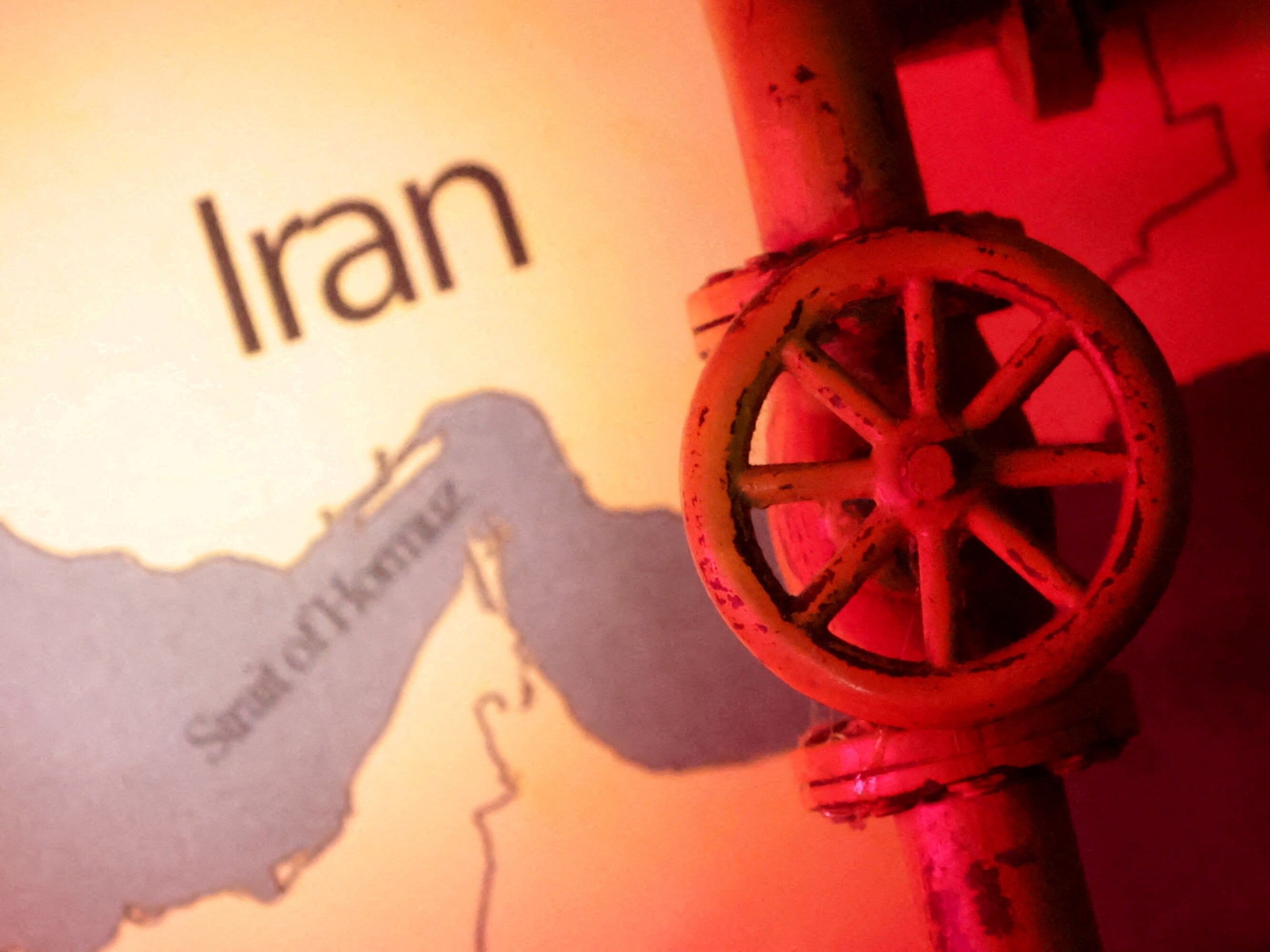
Iran Announces Naval Drills in Strategic Waterway
Iran recently issued a radio notice warning that it plans to conduct naval firing exercises in the Strait of Hormuz over two days as part of a broader five-day military drill. The warning indicated that the exercise could take place in areas close to established international shipping lanes.
While Iranian authorities have not released detailed operational information, international maritime analysts believe the drills may involve Iran’s Islamic Revolutionary Guard Corps (IRGC), which operates fast-attack boats frequently deployed in the strait.
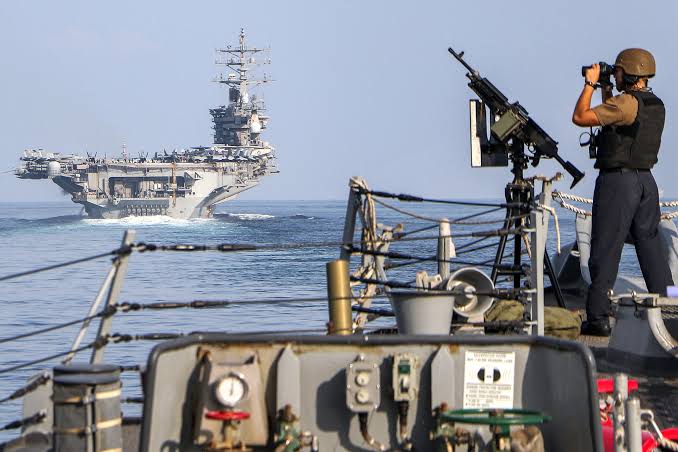

In response, the United States Central Command issued a firm warning to Tehran, cautioning that any unsafe or unprofessional behaviour near American forces, regional partners, or commercial shipping could lead to dangerous escalation.
The US military stressed that interference with international maritime traffic would increase the risk of collision and destabilisation in an already volatile region. American naval forces maintain a strong presence in and around the strait to ensure freedom of navigation.
Why the Strait of Hormuz Matters
The Strait of Hormuz is a narrow yet vital waterway connecting the Persian Gulf to the Gulf of Oman and the Arabian Sea. At its narrowest point, it measures just 33 kilometres wide, making it one of the world’s most vulnerable maritime corridors.
Despite being bordered by Iran and Oman, the strait is recognised as an international waterway, allowing ships from all nations to pass through freely under international law.
Global Oil Lifeline at Risk
In the modern era, the Strait of Hormuz has become indispensable to the global energy trade. It is deep and wide enough to accommodate the world’s largest oil tankers, carrying crude oil and liquefied natural gas to markets across Asia, Europe, and beyond.
According to energy estimates, nearly one-fifth of the world’s oil consumption passes through this route. India alone depends on the strait for nearly 40 percent of its crude oil imports, primarily from Middle Eastern suppliers such as Iraq, Saudi Arabia, and the United Arab Emirates.
While some Gulf nations have developed pipeline alternatives to bypass the strait, the US Energy Information Administration has noted that most oil volumes transiting the region have no viable alternative routes.
Historical Flashpoint for Conflict
The strait has frequently been used as a pressure point during periods of regional conflict. Iran has repeatedly threatened to restrict or close the passage in response to sanctions or military actions against it.
Tensions peaked last year during a brief but intense conflict involving Israel, when Tehran issued warnings linked to maritime security. Similar threats resurfaced after US strikes on Iranian nuclear facilities in 2025.
Regional and Global Implications
Analysts warn that even limited disruption in the Strait of Hormuz could have far-reaching economic consequences, including spikes in global oil prices and increased shipping insurance costs.
For India and other energy-importing nations, stability in the strait is crucial. New Delhi has consistently called for restraint and dialogue, emphasising the importance of uninterrupted maritime trade for global economic health.
As Iran proceeds with its planned drills and the US maintains its warning posture, the world will be closely watching whether diplomacy can prevent another dangerous escalation in one of the globe’s most sensitive regions.