

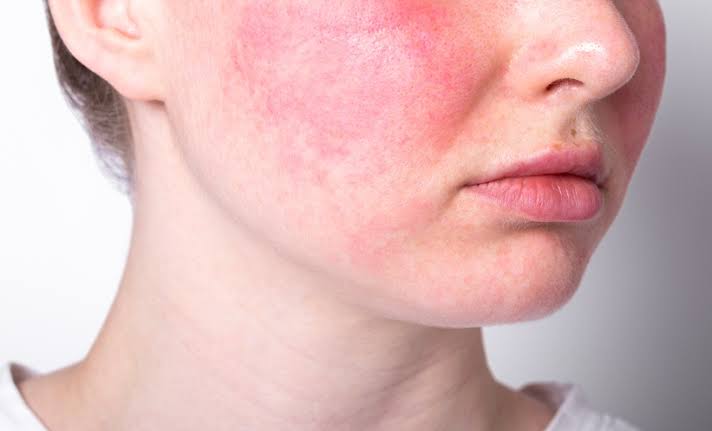

Oxidative stress occurs when the body experiences an imbalance between free radicals and antioxidants, leading to cellular damage and inflammation. In skin disorders such as rosacea, prolonged oxidative stress is believed to aggravate inflammation and impair normal skin function.
Researchers aimed to determine whether insufficient antioxidant intake through diet could worsen oxidative stress, thereby contributing to rosacea’s development or intensity. Antioxidants, commonly found in fruits, vegetables, and whole foods, play a crucial role in neutralising free radicals.
Dietary Patterns and Antioxidant Capacity
The study analysed dietary habits and antioxidant consumption among individuals diagnosed with rosacea. Researchers assessed systemic oxidative stress markers and compared them with estimated dietary antioxidant capacity.
Results indicated that participants with lower antioxidant intake tended to exhibit higher levels of oxidative stress. While the study does not establish direct causation, it highlights a meaningful association that warrants further investigation.
Implications for Treatment and Lifestyle
The findings suggest that dietary habits could play a supportive role in managing rosacea alongside medical treatment. Although medications remain the primary approach for controlling symptoms, nutritional strategies may offer complementary benefits.
Experts caution that dietary changes alone are unlikely to cure rosacea. However, improving antioxidant intake may help reduce systemic oxidative stress, potentially easing inflammation and flare-ups in some patients.
Need for Further Research
The authors emphasised the need for larger, long-term studies to better understand how diet, oxidative stress, and rosacea interact. Future research could explore whether targeted nutritional interventions can influence disease outcomes.
Indian dermatology experts note that lifestyle-based approaches, including balanced nutrition, are increasingly gaining attention in chronic inflammatory skin conditions.
Broader Significance
As rosacea continues to affect quality of life for many individuals, understanding modifiable risk factors remains crucial. This study adds to a growing body of evidence linking nutrition, inflammation, and chronic disease.
While more research is required before dietary antioxidant guidelines can be formally recommended for rosacea management, the findings underscore the importance of holistic approaches that consider both medical and lifestyle factors.