
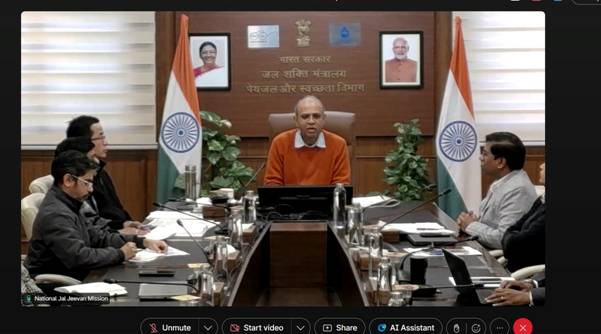

The virtual programme brought together Gram Panchayat representatives, Village Water & Sanitation Committee members, women Self-Help Groups (SHGs), students, and frontline officials. State Mission directors, District Collectors, Deputy Commissioners, and senior officers from states and union territories also participated. Over 3,000 attendees joined, with additional villagers participating locally in their respective Gram Panchayats.
Key Highlights of Sujal Gram Samvad
- Local Language Interaction: Engaging villagers in their native dialects strengthens Jan Bhagidari and ensures community ownership of water schemes.
- Jal Arpan & Lok Jal Utsav: Formal commissioning and evaluation of water supply schemes, with technical handholding to Gram Panchayats.
- Jal Seva Aankalan: Villagers assess water quantity, quality, and service delivery through Gram Sabhas, ensuring transparency and accountability.
- Peer Learning: Villages share best practices and solutions in local dialects, promoting learning from other communities.
Voices from the Villages
Sipphighat, South Andaman: Residents highlighted reduced waterborne diseases and improved school hygiene due to household tap connections.
Salehbhat, Chhattisgarh: Community members pay a small user fee for operation and maintenance, monitor water quality using field testing kits, and promote groundwater recharge.
Dochana, Haryana: Treated canal water is now supplied to households, with regular committee meetings and women-led water quality monitoring ensuring reliable supply.
Harvelam, Goa: 24-hour household tap connections and 100% metering of user charges have improved service transparency and reliability.
Tsethrongse, Nagaland: Households now receive water at home instead of traveling 1–1.5 km. Surplus funds have been used to expand water infrastructure.
Rampur, Himachal Pradesh: 100% household tap connections allow women to save time, leading to increased participation in SHGs and income-generating activities.
Samarvani, Dadra & Nagar Haveli: SCADA-based centralised control ensures reliable supply. Community awareness campaigns prevent wastage and improve local water security.
Kalpeni Island, Lakshadweep: Villagers now enjoy 24×7 access to clean drinking water, easing daily chores and improving hygiene in schools.
Way Forward
Sujal Gram Samvad provides a vital platform for two-way communication between policymakers and rural communities. It strengthens the feedback loop for sustainable, people-centric rural water systems, aligning with the Government of India’s vision of future-ready and inclusive water governance.