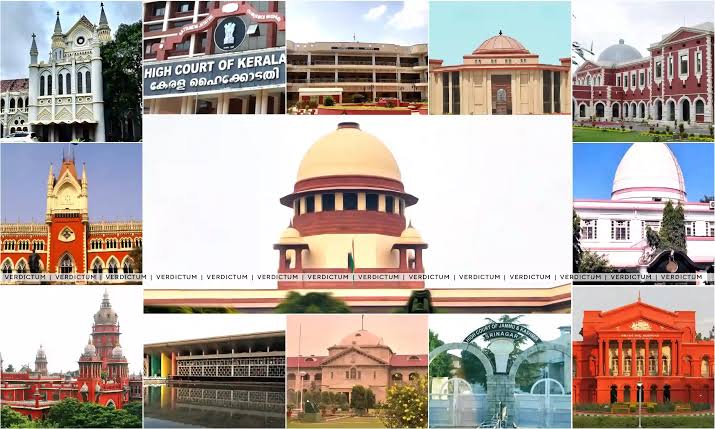
In a significant development that underscores the dynamic nature of the Indian judiciary, the Supreme Court Collegium has recommended the transfer of 21 judges across various High Courts in the country. The decision, part of a major reshuffle, is intended to address administrative and functional requirements while also ensuring better efficiency in the judicial system.
The transfer list includes judges from the High Courts of Punjab and Haryana, Rajasthan, Gauhati, Karnataka, Allahabad, Madras, Patna, Telangana, Bombay, and Kerala. Many of these judges are being reassigned to High Courts that are either their original postings or regions where their experience is expected to contribute meaningfully to the local judicial ecosystem.
This move includes repatriations as well—six judges have been recommended to return to their parent High Courts. Such reshuffles, while complex, are often carried out in a spirit of balancing judicial manpower and addressing specific regional demands. The Collegium’s effort reflects a commitment to strengthening the justice delivery mechanism and promoting regional diversity in judicial administration.
For the judges involved, such transfers may mean not just logistical and personal adjustments but also a renewed opportunity to serve the judiciary in new capacities. Many legal professionals and observers recognize the dedication and adaptability required of judges who relocate, often moving across states and linguistic regions in service of justice.
The Supreme Court’s Collegium, led by the Chief Justice of India, carries the responsibility of making these decisions with careful deliberation, keeping in mind not only the structural needs of different courts but also the expertise and suitability of individual judges.
As the nation continues to engage in conversations around judicial reforms and access to justice, such developments remind us of the constant effort behind the scenes to uphold judicial integrity, responsiveness, and efficiency. While these changes may not always capture headlines, they form the very scaffolding upon which a fair and effective judiciary stands.