
The Supreme Court ruling invalidated IEEPA tariffs that were generating more than $500 million per day in gross revenue, according to the Penn-Wharton Budget Model. Economists estimate that over $175 billion in revenue could now be subject to refunds, creating a significant financial impact on U.S. trade and Treasury revenue.
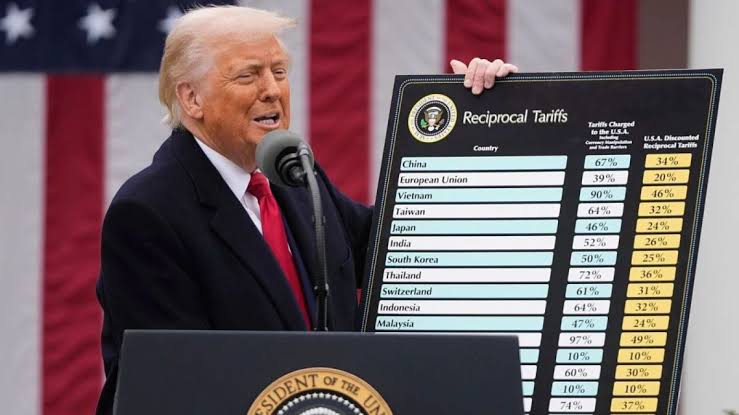

Alongside the deactivation of IEEPA tariffs, the U.S. government has imposed a new 15% global tariff under a separate legal authority. Other tariffs previously introduced by Trump, including those under Section 232 for national security and Section 301 for unfair trade practices, remain unaffected.
CBP reassured traders that further guidance would be issued via CSMS as necessary. The agency’s notice emphasized that the halt applies solely to the IEEPA-related tariffs and does not change the collection of other trade duties.
Impact on Global Trade and Importers
Industry experts suggest that the Supreme Court’s decision could have significant repercussions for importers and international trade partners. Businesses that had been paying IEEPA tariffs for the past few days may now seek refunds, while trade compliance teams are preparing for adjustments to import costs. The ruling highlights the complex interaction between U.S. judicial oversight and executive trade policy.
The CBP collection halt aligns with ongoing global economic monitoring, as importers, exporters, and policymakers adjust to the evolving trade landscape. Observers note that the move could also ease pressure on international supply chains, which had been affected by uncertainty over the legal status of IEEPA tariffs.