
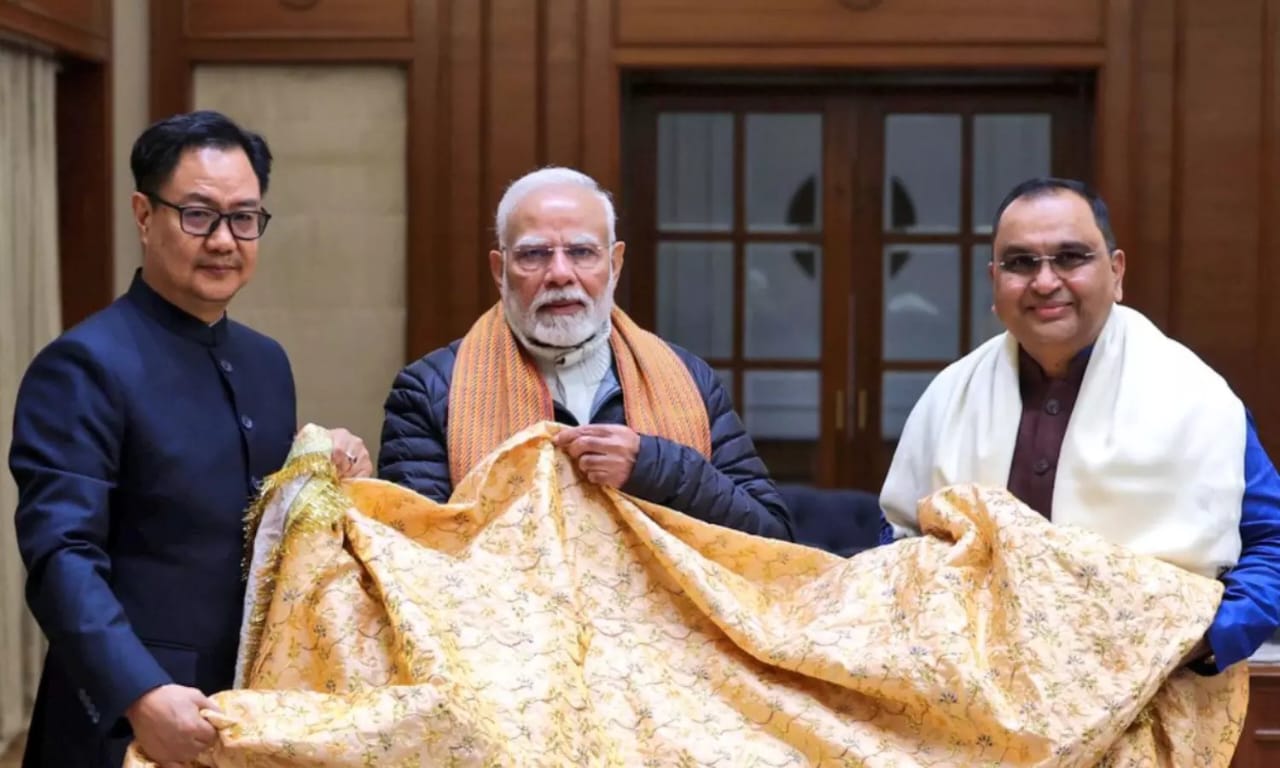

The oral mentioning was made by a lawyer seeking an immediate stay on the ceremonial chadar being offered on behalf of the Prime Minister. The counsel argued that the move could prejudice the outcome of a civil suit filed by Vishnu Gupta, president of the Hindu Sena, before a court in Ajmer.
The suit seeks a declaration that the Ajmer Sharif Dargah was constructed over a pre-existing Shiva temple, referred to as Bhagwan Shri Sankatmochan Mahadev Virajman Temple. According to the petitioner, the continued ceremonial association of the Prime Minister’s Office with the dargah could impact the rights of the plaintiff.
Supreme Court’s Response
Rejecting the plea for urgent hearing, Chief Justice Surya Kant made it clear that the court would not list matters on the same day merely on oral requests. “No, I will not list any matter today. We are not listing any matter the same day,” the Chief Justice observed in open court.
When the counsel requested that the matter be listed later in the week, the court reiterated that due procedure must be followed. The Supreme Court is currently closed for winter vacations and will resume regular hearings on January 5, 2026.
Context of the Pending Ajmer Suit
The civil suit pending before the Rajasthan court alleges that the architectural features of the Ajmer Sharif Dargah resemble those of a Hindu temple. The petitioner has sought an Archaeological Survey of India (ASI) inspection to establish the existence of temple remnants, including claims of a Shiva Linga beneath the structure.
Notices in the matter were issued last year to the Ajmer Dargah Committee, the ASI and the Union Ministry of Minority Affairs. The case remains under judicial consideration, with no final determination yet made on the claims.
Impact of Supreme Court’s 2024 Freeze Order
The developments also revive attention to the Supreme Court’s December 2024 order that barred civil courts from entertaining new suits or passing orders in pending cases seeking to reclaim religious places allegedly altered during the Mughal era.
That interim order was passed while the court agreed to examine challenges to the Places of Worship Act, 1991, which mandates that the religious character of places of worship as on August 15, 1947, must be maintained. The freeze also covered directions for surveys of religious premises.
Balancing Faith, Law and Procedure
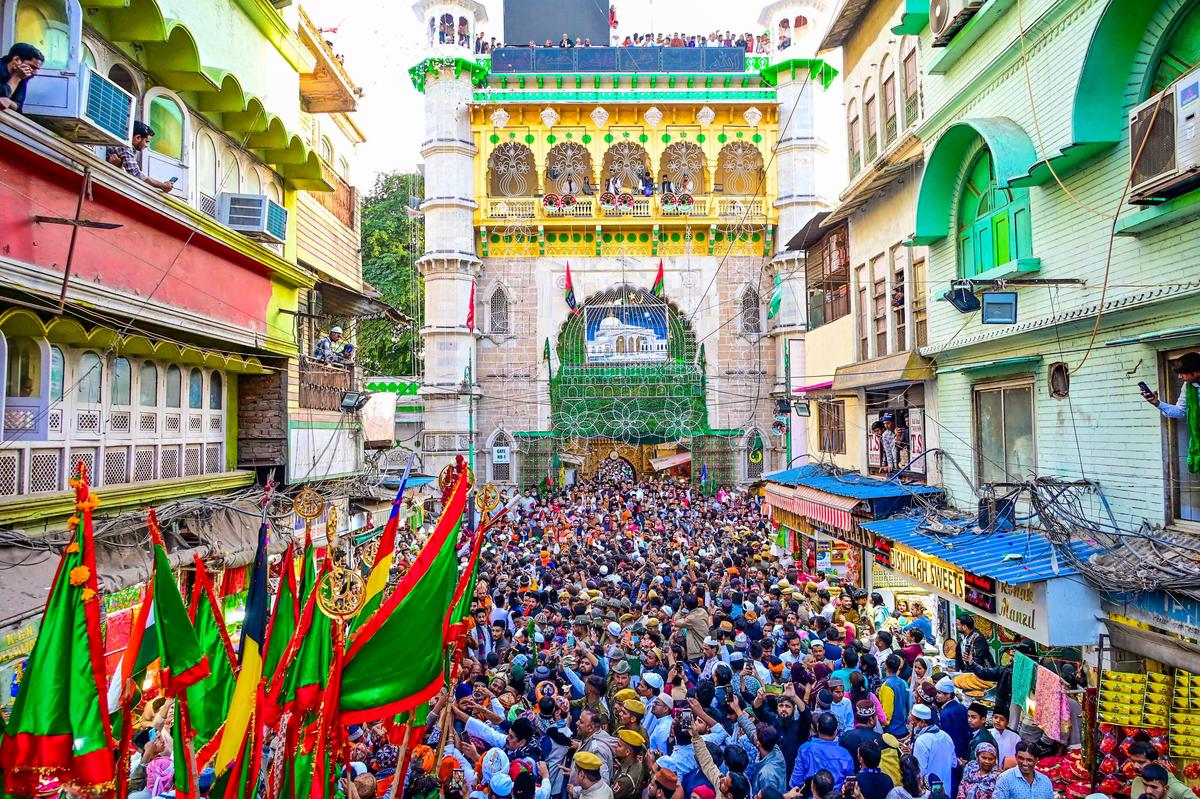
Ajmer Sharif Dargah holds immense spiritual significance for devotees across faiths, attracting lakhs of visitors during the annual Urs. The offering of a ceremonial chadar by successive governments has traditionally been viewed as a gesture of respect rather than a legal endorsement of ownership.
The Supreme Court’s refusal to grant an urgent hearing underscores its emphasis on procedural discipline, especially in matters with sensitive religious and constitutional implications.
What Lies Ahead
While the urgent plea was declined, the petitioners remain free to move a formal application once the court resumes after vacations. Any further adjudication will likely be influenced by the broader constitutional debate surrounding the Places of Worship Act.
Until then, the matter continues to highlight the judiciary’s cautious approach in balancing faith-related practices, executive actions and ongoing legal disputes.