
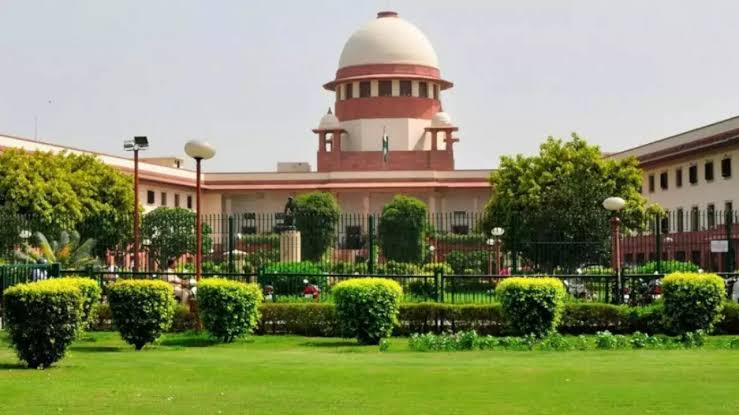
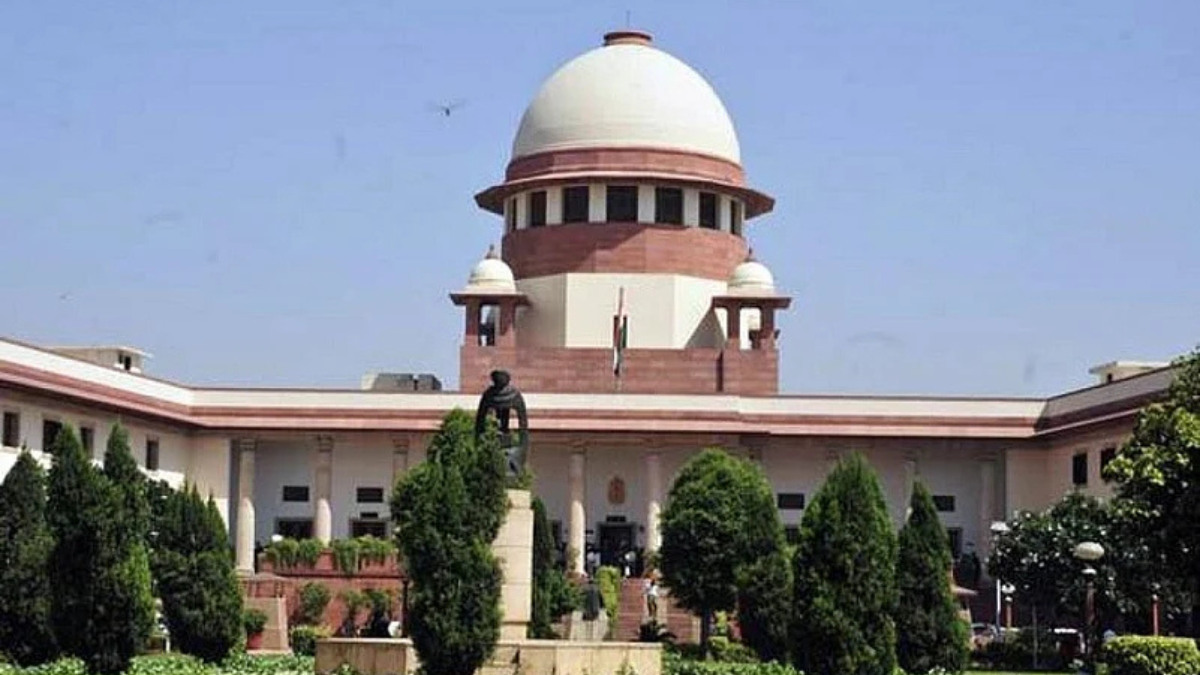

The Bench of Justices Ahsanuddin Amanullah and NV Anjaria was hearing a petition in which Jain alleged that Amity University, Noida, refused to update her academic records after she legally changed her name from Khushi Jain to Ayesha Jain in 2021. Despite presenting Gazette notifications and identity documents, she claimed she was barred from attending classes and sitting for exams, resulting in the loss of an academic year.
Jain further alleged that university officials harassed her, taunted her for adopting a Muslim name, and ignored multiple complaints submitted to the UGC and the Ministry of Education. After what she described as prolonged inaction, she moved the Supreme Court in mid-2025.
Supreme Court Expands the Scope of the Case
While earlier hearings focused on Amity University’s conduct, the matter took a significant turn when the Court observed that the case exposed deeper concerns about how private universities function nationwide. Expressing strong disapproval of Amity’s actions including its attempt to offer ₹1 lakh in compensation the Court decided that wider regulatory issues must be examined “in the larger public interest.”
On November 20, after senior officials of the university submitted their affidavits, the Bench expanded the inquiry beyond the individual dispute, calling for a nationwide audit of the establishment, governance and regulatory oversight of all private universities.
What the Supreme Court Has Ordered Governments to Disclose
The Court directed all governments to file comprehensive affidavits explaining:
- The statutory provisions, notifications or Acts under which each private university was established.
- Details of land allotments, financial concessions, preferential treatment or administrative benefits granted.
- The complete structure of governing bodies, including the names of individuals and organisations in charge.
- The mechanism used by regulators to monitor compliance with laws and policies.
It further asked for disclosures on admissions procedures, faculty recruitment, salary structures, grievance redressal mechanisms and the authenticity of institutions claiming to operate on a “no profit, no loss” basis.
UGC Asked to Clarify Its Regulatory Role
The Court directed the UGC to specify the exact statutory and policy framework governing private universities and detail the mechanism it uses to ensure compliance. The Bench emphasised that affidavits must go beyond theoretical mandates and clearly outline how regulatory oversight works in practice.
The UGC has been instructed to clarify whether existing regulations adequately safeguard students’ rights and ensure financial transparency within institutions.
Affidavits Must Be Personally Signed by Top Officials
The Court mandated that the affidavits be signed by the Cabinet Secretary of India, Chief Secretaries of all States and Union Territories, and the Chairman of the UGC with no delegation permitted. This, the Bench said, was essential to ensure “accountability at the highest level.”
It warned that any attempt to withhold, distort or conceal facts would be dealt with “strictly,” signalling its seriousness in scrutinising the private higher education sector.
Next Hearing Scheduled for January 8, 2026
The matter will next be heard on January 8, 2026, when the Court is expected to review the affidavits and determine further steps. Observers believe the disclosures could reshape the regulatory framework governing private universities in India.