
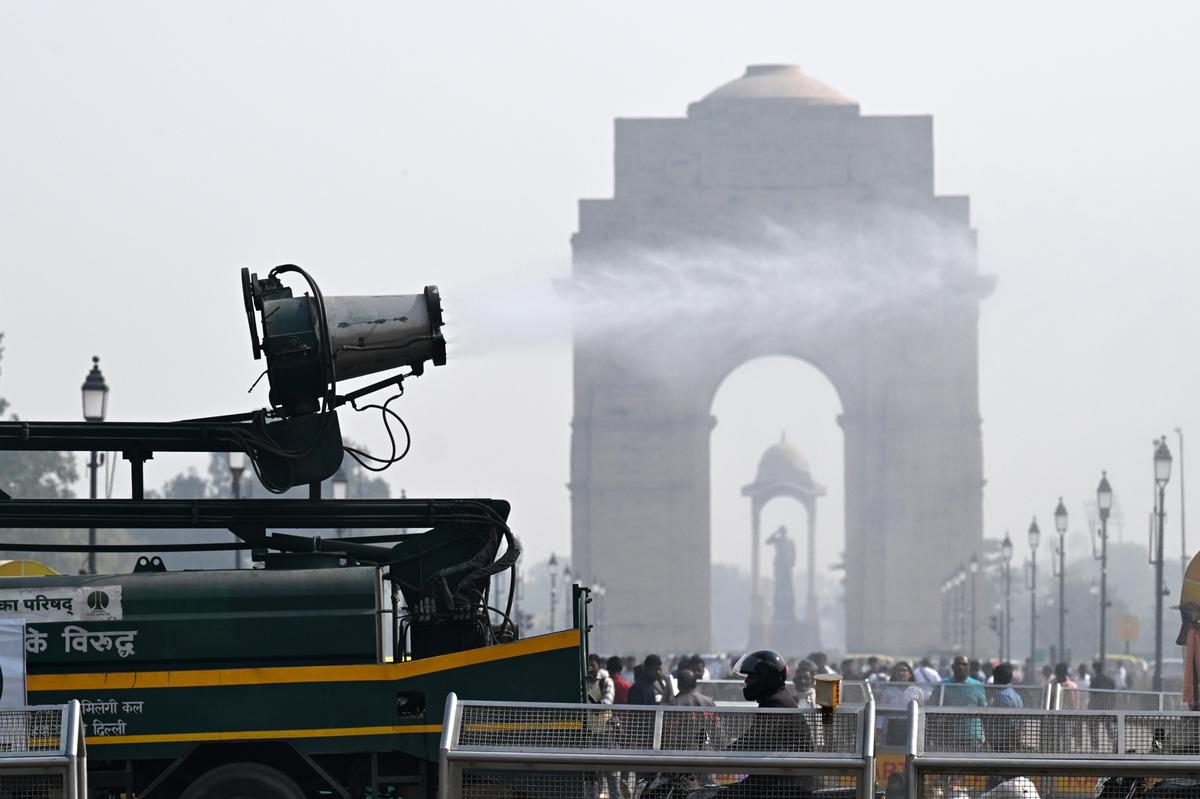
Supreme Court Favors Gradual, Systemic Solutions
The court, led by Chief Justice B. R. Gavai, said the air quality crisis cannot be fixed by “perennial GRAP” — a round-the-year application of emergency measures such as construction bans, vehicle restrictions and factory curbs. Such blanket measures, the bench observed, would have “massive repercussions” on the informal workforce and the construction sector and would not be sustainable in practice.
“The solution is not to take a short-term measure effective for one or two months,” the CJI said. “The government must bring all stakeholders on board and consider a solution which would see air pollution diminishing over the years.”
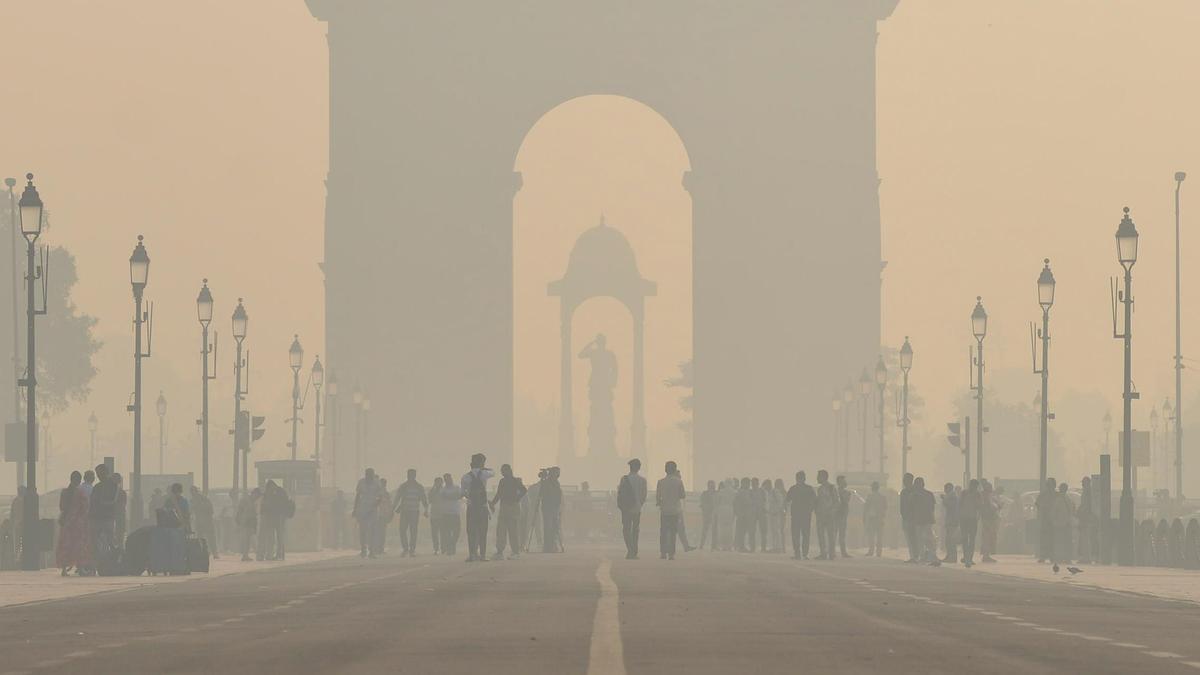

Additional Solicitor General Aishwarya Bhati, representing the Centre, acknowledged that knee-jerk fixes may backfire and agreed to consult the government and stakeholders. The bench asked her to take the court’s suggestions to the authorities and come back with a practicable plan by November 19.
The court’s direction emphasises multi-level cooperation — a stitch-in-time approach involving Punjab and Haryana on stubble management, Delhi on vehicular emissions, and neighbouring states on industrial and construction dust controls.
Experts Warn Against Blanket Year-Round Restrictions
Senior counsel Gopal Sankaranarayanan, who proposed year-round GRAP during hearings, later agreed the court should explore alternatives such as online court hearings to reduce vehicular movement. He also suggested fiscal measures like a heavier road tax as a longer-term deterrent to personal car use.
Amicus curiae Aparajita Singh highlighted the structural roots of stubble burning, pointing to the 2009 Groundwater Preservation Act that compressed sowing windows and left farmers little time, thus making burning an attractive — though harmful — option. She told the court that satellite monitoring has under-counted actual burning incidents, complicating response planning.
Funding and Technology Alone Won’t Solve It
The bench noted that although the Centre has allocated more than ₹2,000 crore to buy in-situ stubble-management machines for farmers in Punjab and Haryana, money and machinery do not automatically change behavior. The court urged a policy mix that combines incentives, revised agricultural calendars, and stronger monitoring to make alternatives viable and attractive for farmers.
“The allocation of money or machinery is not the solution,” the court observed, pointing to the need for legal and administrative reforms that address why stubble burning continues despite available support.
Health Alarm Bells and AQI Standards
During the hearing, counsel underlined grim medical realities: operating surgeons have begun to encounter greying lungs, even among children, reflecting long-term damage from repeated exposure. The court criticised India’s relatively high AQI thresholds — which delay automatic GRAP triggers compared with many countries — and urged a review of standards to ensure earlier protective action.
Way Forward: Stakeholder Roadmap by November 19
The Supreme Court concluded by directing the Centre to convene state governments, urban local bodies, farmers’ representatives, health experts and industry to produce a clear, phased plan. The emphasis is on a roadmap that reduces pollution over years while protecting livelihoods and maintaining essential economic activity.
The court’s short-term order is procedural: the Centre must place the proposed plan before the bench on or before November 19 for further directions.
Further Reading
For official policy and scheme details on pollution control and related funding, readers can consult the Central Pollution Control Board (CPCB) and Press Information Bureau resources: