
The Background of the Case
This issue traces back to the Tamil Nadu Governor case. The state assembly had passed several Bills between 2020 and 2022. Yet, many were left pending for years without any action from the Governor. The Supreme Court’s two-judge bench then invoked Article 142, declaring that the Bills had received “deemed assent.”
The bench had observed that the Governor’s conduct showed prolonged inaction and a lack of constitutional responsibility. It was seen as a direct challenge to legislative authority.
Supreme Court’s Current Concerns
Chief Justice BR Gavai, along with Justices Surya Kant, Vikram Nath, PS Narasimha, and AS Chandurkar, heard the matter. Justice Surya Kant pointed out that even Bills from 2020 were still pending. This raised concerns about executive accountability and the role of Governors as neutral constitutional authorities.
The court questioned: If declaring deemed assent was wrong, what should be the constitutionally valid alternative?
Attorney General’s Stand
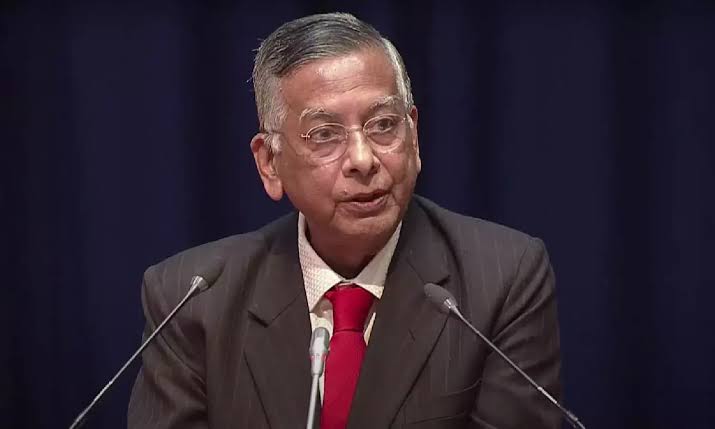
Attorney General Venkataramani argued that even in extreme cases, the Court cannot assume the Governor’s powers. He warned that allowing judicial “deemed assent” may set a dangerous precedent. Instead, the Court should direct the Governor to act within constitutional boundaries, not take over their role.


Article 142 of the Constitution empowers the Supreme Court to deliver “complete justice.” In the Tamil Nadu case, the bench used this power to override the Governor’s prolonged inaction. Critics argue this was extraordinary judicial activism. Supporters say it was necessary to prevent constitutional breakdown.
The current Constitution Bench must now decide whether such use of Article 142 can become a standard response or remain limited to “egregious situations.”
Implications for Democracy
This debate strikes at the heart of Indian federalism. Governors are appointed by the Centre but serve as constitutional heads of states. Prolonged inaction can paralyze elected governments. On the other hand, unchecked judicial intervention may disturb the separation of powers.
If the Court rules in favor of “deemed assent,” it strengthens legislatures against executive delays. If it rules otherwise, Governors may continue to hold Bills indefinitely, unless Parliament amends the Constitution to impose timelines.
What Experts Say
Legal scholars note that Dr. B.R. Ambedkar, during the Constituent Assembly debates, opposed fixed timelines for presidential assent. However, times have changed. With Bills pending for years, experts argue that new checks may be required.
Several Supreme Court judgments, including the Punjab Governor case, have already stressed that Governors cannot act against the spirit of democracy. The current proceedings may create binding clarity.
Why This Matters Now
India’s legislative process is under pressure. States frequently complain that Governors delay important reforms. For example, education, healthcare, and local governance reforms often get stalled. Citizens are left waiting, and governments appear powerless.
The Court’s ruling could bring greater accountability and end a grey area in constitutional law. It may redefine the balance of power between elected assemblies, Governors, and the judiciary.
Looking Ahead
The hearing will continue this week. Observers expect a landmark judgment that could set constitutional precedent for decades. At its core, the case asks a simple but powerful question: Who guards democracy when constitutional authorities fail to act?