 Ecological Importance of the Aravallis
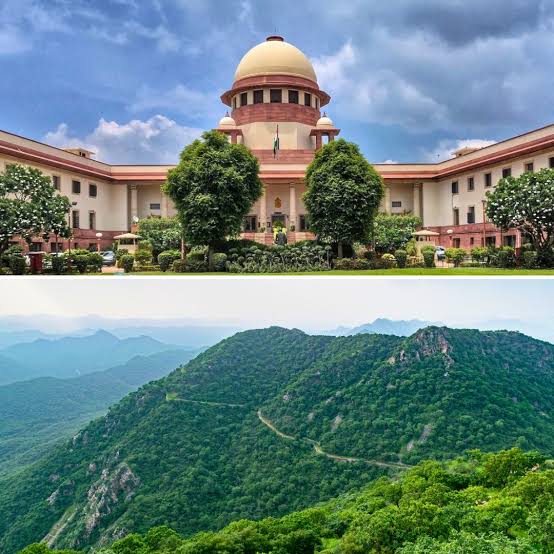
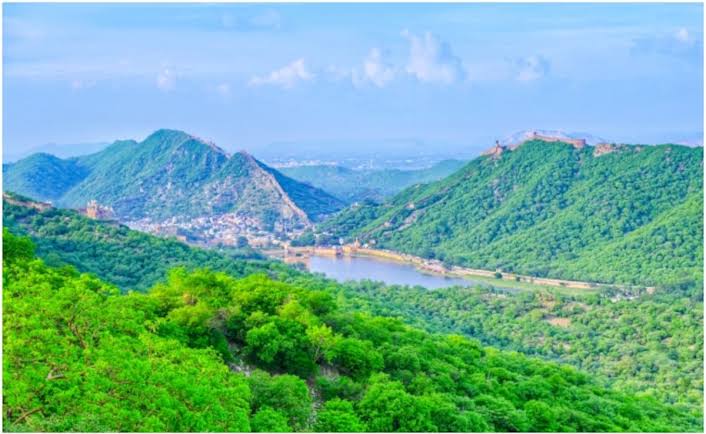
The Aravalli Hills, one of India’s oldest geological formations, stretch from Delhi through Haryana, Rajasthan, and Gujarat. Acting as a natural barrier against desertification, these hills also serve as vital groundwater recharge zones and biodiversity habitats. The Supreme Court emphasized that uncontrolled mining poses a significant threat to the ecology, calling for uniform measures to preserve these landscapes.
Committee Recommendations and Operational Definitions
The MoEFCC-led committee proposed that any landform rising 100 metres or more above local relief, including supporting slopes, be classified as an Aravalli Hill. Hills within 500 metres of each other form an Aravalli Range. This ensures comprehensive coverage of the hills, slopes, and intervening areas for ecological protection. Core and inviolate areas, including protected areas, tiger reserves, wetlands, and CAMPA plantations, are strictly off-limits to mining.
Mining Regulations and Sustainable Practices
The Supreme Court has imposed an interim moratorium on new mining leases until a Management Plan for Sustainable Mining (MPSM) is prepared by ICFRE. Mining of critical, strategic, and atomic minerals is exempted under strict conditions. Existing mines must comply with environmental and forest clearances, undergo periodic inspections, and implement robust measures against illegal mining.
Landscape-Level Conservation and Safeguards
Defining hills and ranges comprehensively ensures protection of biodiversity corridors, groundwater zones, and the “green lungs” of Delhi-NCR. Surveillance through drones, CCTV, and district task forces strengthens enforcement, while post-mining restoration requirements maintain ecological integrity. The plan balances development with conservation, preventing desertification and preserving natural heritage.
Conclusion
With the Supreme Court endorsing these measures, the Aravalli Hills are set to remain under strict ecological protection. Transparent, objective, and science-based definitions, combined with strict enforcement, ensure that mining does not compromise biodiversity, groundwater, or the region’s cultural and environmental value. India’s commitment to sustainable development and environmental stewardship is reaffirmed.